

Can you still build muscle as you get older? Absolutely. We show how men and women in their 60s and 70s can build muscle through targeted strength training – and why nutrition and recovery should receive even greater attention along the way.
Why Strength Training Is More Important Than Ever as You Age
From the age of 35, the body loses around one percent of its muscle mass each year. After 50, muscle loss accelerates even further: older adults lose approximately one to two percent of their muscle mass annually. Is it noticeable in everyday life? Yes. Quite simply, you have less strength. Every movement becomes a small or significant challenge. Scientists refer to this age-related loss of muscle mass as sarcopenia.
The consequences extend far beyond appearance. Weaker muscles mean a higher risk of falls, longer recovery times after illness, and a loss of functional strength for daily activities. Strength training in older age is therefore not a matter of vanity. It is one of the most effective ways to maintain muscle mass, increase bone density, stay fit, and remain independent for longer.

© (JLco) Julia Amaral – stock.adobe.com
Is Building Muscle in Older Age Even Possible?
The myth that muscles stop growing beyond a certain age is remarkably persistent. In reality, the body continues to respond to targeted training stimuli at 50, 60, or even 70+ years of age by building new muscle fibers. Even very elderly individuals can gain noticeable strength within just a few weeks when they train regularly.
What changes with age is not the ability to build muscle, but the speed at which it happens. Older muscles require a stronger stimulus to grow. Strength training with extremely light weights or endless repetitions using a water bottle is often no longer sufficient. Sports scientists refer to this phenomenon as anabolic resistance. Muscle cells become less responsive both to exercise and to dietary protein.
In practical terms, this means that dumbbells, resistance bands, or your own body weight should be used in a way that makes the final two or three repetitions genuinely challenging. Anyone starting strength training for the first time at 60 is often capable of more than they initially believe. More experienced trainees should gradually increase training loads on a regular basis to maintain an effective stimulus.
How Quickly Can You Build Muscle at 60?
Patience pays off. The first changes are often noticeable after just three to four weeks. Climbing stairs becomes less strenuous, grocery bags feel lighter, and getting up from a chair no longer requires momentum. These early improvements are primarily due to adaptations in the nervous system. It learns to activate more muscle fibers simultaneously. The muscles themselves do not yet become noticeably larger during this phase.
These factors determine how quickly muscle growth progresses in older age:
- Strength training two to three times per week
- Protein-rich meals
- Seven to nine hours of restorative sleep
- Incorporating exercises for balance and stability into your training routine
If any one of these elements is missing, progress will inevitably slow down.
More Than a Six-Pack! Benefits of Strength Training and Muscle Building for Seniors

Visible muscles are not the real goal. The true benefits of strength training become apparent in everyday life: more energy, stronger bones, and a back that no longer complains after a day of gardening.
Here are the most important benefits at a glance:
- Stronger Bones: The mechanical stimulus created by strength training activates bone cells and promotes bone metabolism. Increased bone density can help prevent osteoporosis, and falls are less likely to result in fractures.
- Better Balance: Strong leg and core muscles provide stability while hiking, walking on icy winter paths, or recovering from an unexpected stumble. This significantly reduces the risk of falls.
- Greater Confidence and Independence: Physical strength and feeling fit in older age transform daily life. You remain less dependent on assistance, can take care of yourself independently, and are more likely to enjoy spontaneous activities and outings.
- Higher Resting Metabolic Rate: More muscle mass burns more calories, even at rest, making it easier to maintain a healthy body weight.
- Good for Joints and Back Health: Back training strengthens the core muscles and reduces stress on the spine. Everyday tasks such as lifting a laundry basket or a suitcase become noticeably easier.
- Better Sleep: Strength training does more than stimulate muscle growth. It also helps reduce stress hormones while promoting the release of endorphins. In addition, it supports deeper and more restorative sleep.
All of these benefits contribute to a higher quality of life. Daily movement combined with regular training also has a positive effect on mental well-being, helping you feel more energetic, resilient, and optimistic.
Building Muscle After 60 Without a Gym: The Best Exercises
You do not need a gym to build muscle effectively as you age. With minimal equipment such as adjustable dumbbells, dumbbell sets, or resistance bands, you can already train all major muscle groups. The key is to focus on multi-joint compound exercises using an appropriate level of resistance. Strength training after 60 is not a rehabilitation program—it is real training with progressive overload. These six exercises form the foundation of an effective home workout routine.
Squat
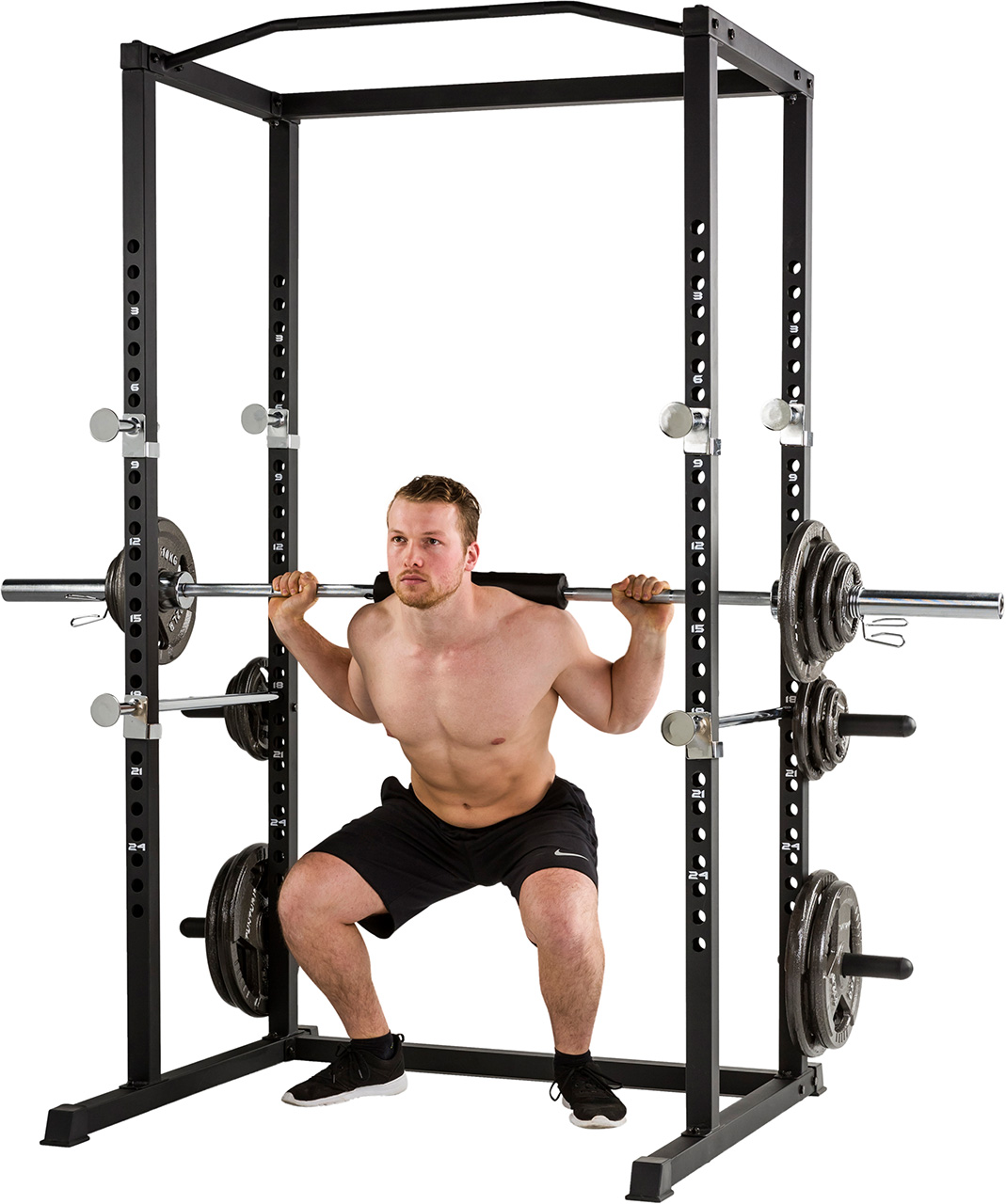
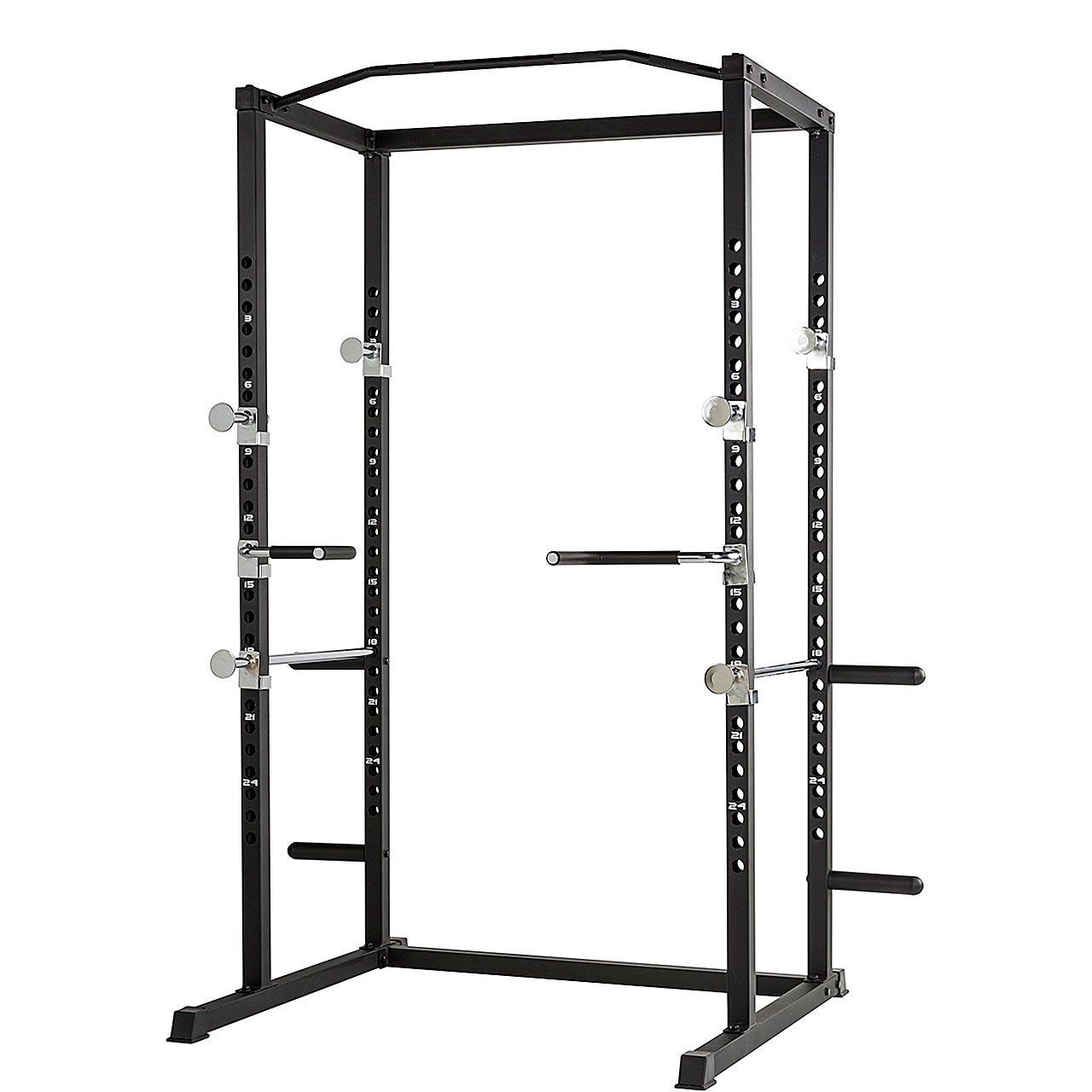
The classic squat is the queen of all leg exercises. Ideally, it is performed using an Olympic barbell and a squat rack.
Goblet Squat
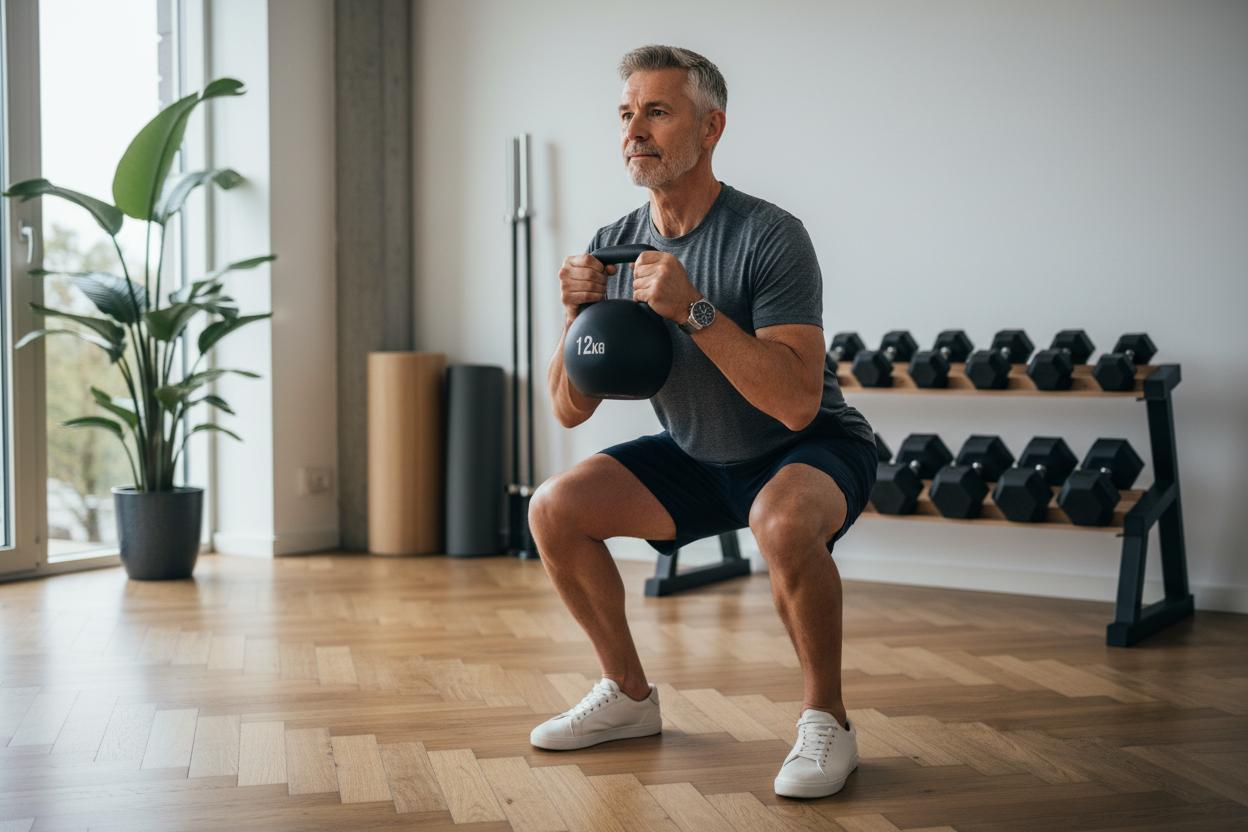
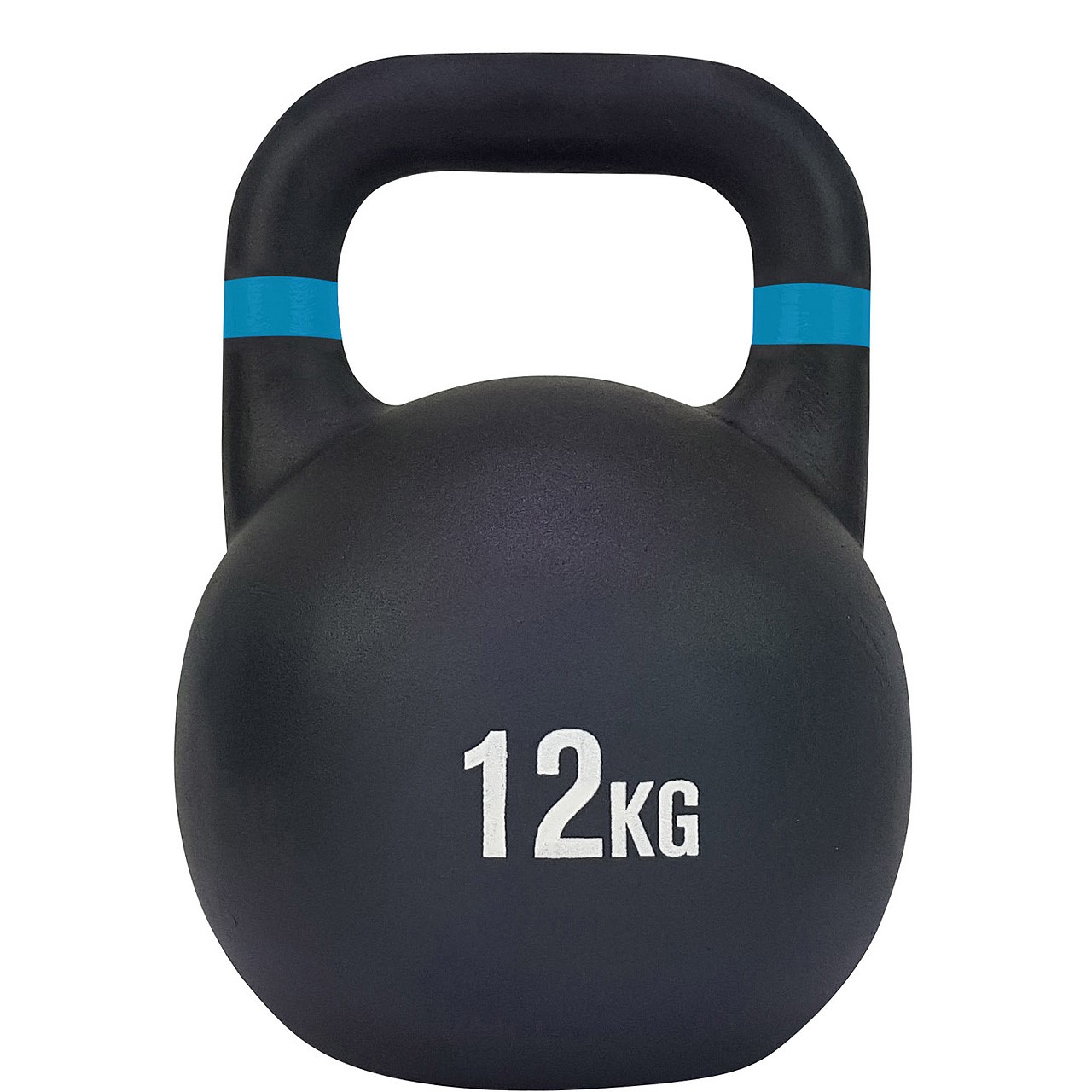
Another highly practical variation of the squat is the Goblet Squat. Hold a kettlebell or dumbbell in front of your chest, with your feet slightly wider than hip-width apart. Lower your hips in a controlled manner by pushing them back and down until your thighs are at least parallel to the floor. Keep your back slightly arched but stabilized through controlled muscular tension, while your knees track in line with your feet. This strength exercise simultaneously trains the quadriceps, glutes, adductors, and core muscles.
Romanian Deadlift with Dumbbells or a Barbell
One of the most important exercises for strengthening the posterior chain. Stand with slightly bent knees and a natural lower-back arch while maintaining constant, controlled tension. Hold the dumbbells or barbell in front of your thighs. Push your hips backward while hinging your torso forward in a controlled manner. Keep the weights close to your body throughout the movement. Return to the starting position by driving through your glutes. This exercise protects the lower back in everyday life and improves posture like few other movements.

Lunges
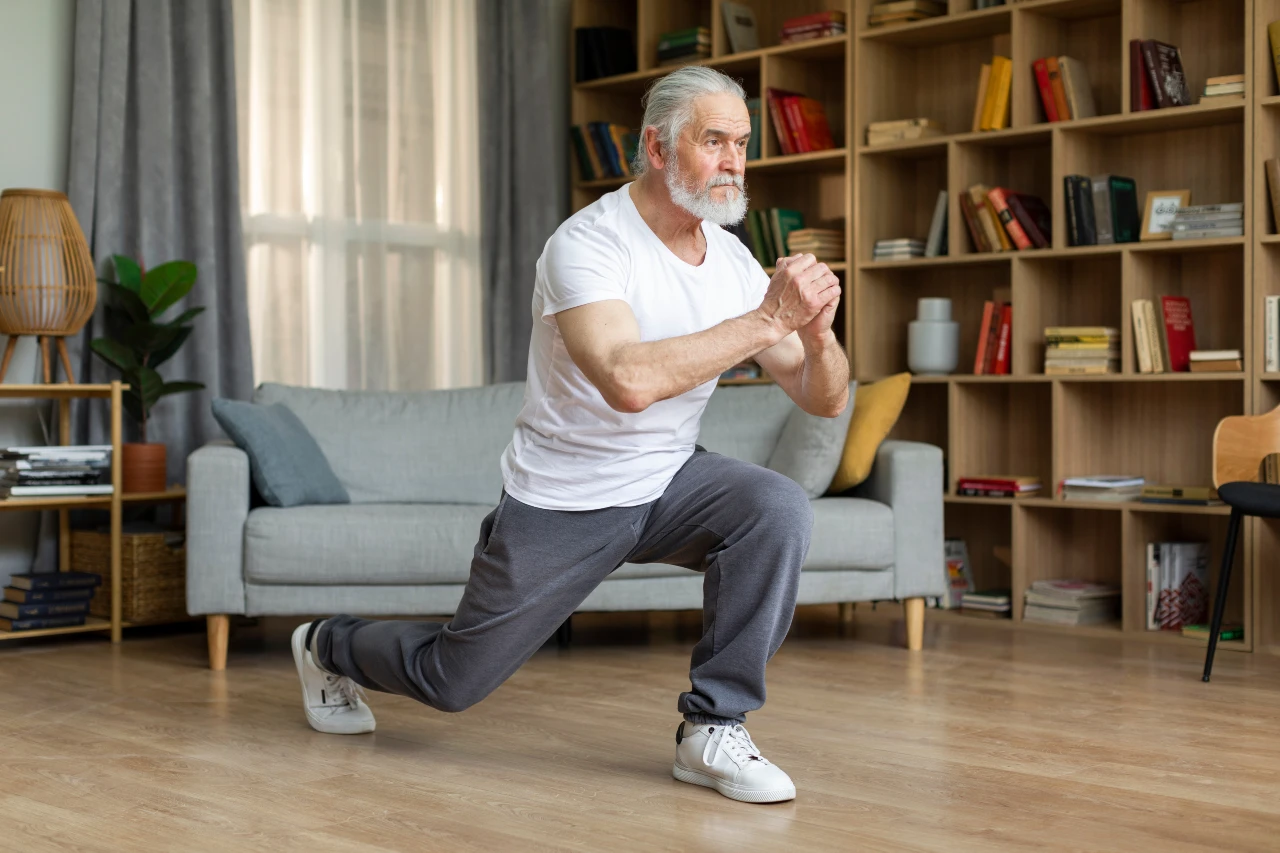
Single-leg training challenges both balance and strength at the same time. Take a large step forward and lower the back knee toward the floor. The front knee should remain aligned above the ankle. Return to the starting position in a controlled manner. Lunges activate the small stabilizing muscles that tend to weaken most rapidly with age and are crucial for fall prevention. More advanced exercisers can perform lunges while holding a dumbbell in each hand.
© Prostock-studio – stock.adobe.com
Bent-Over Row
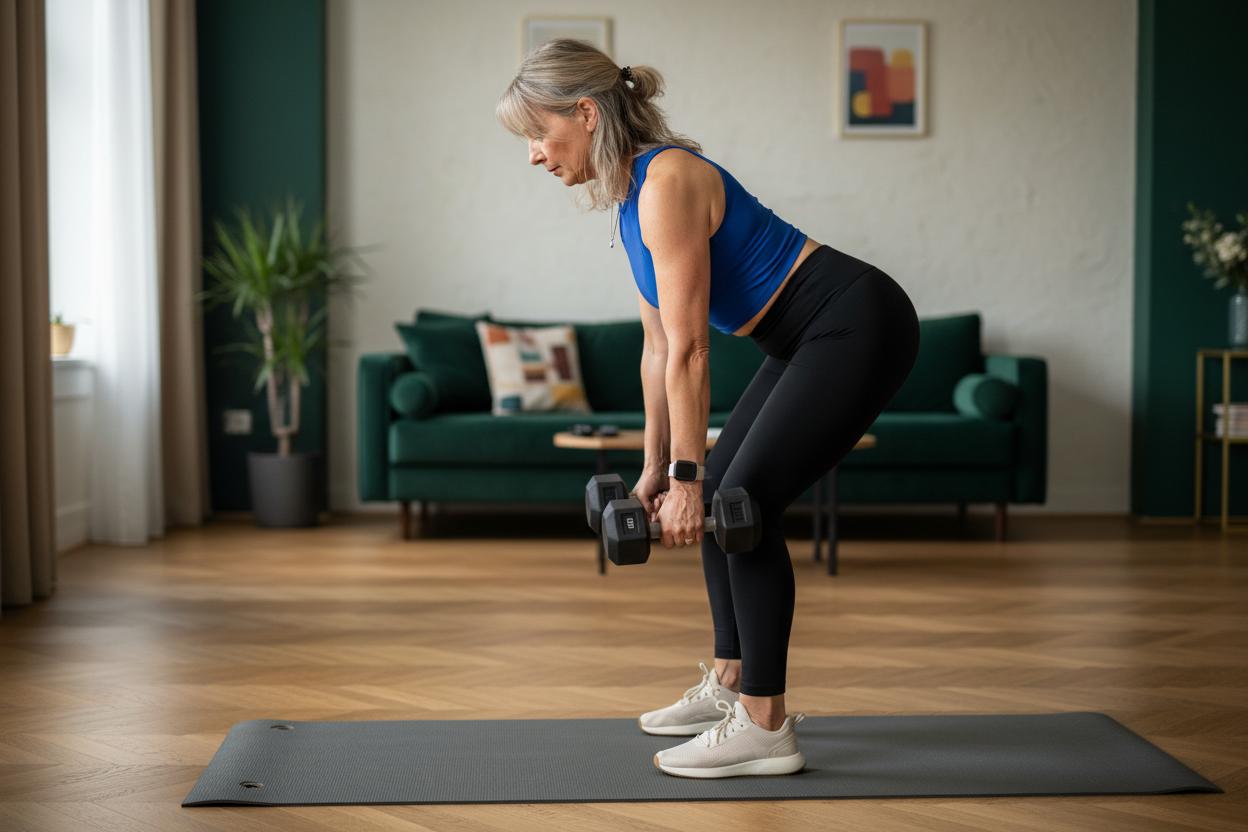
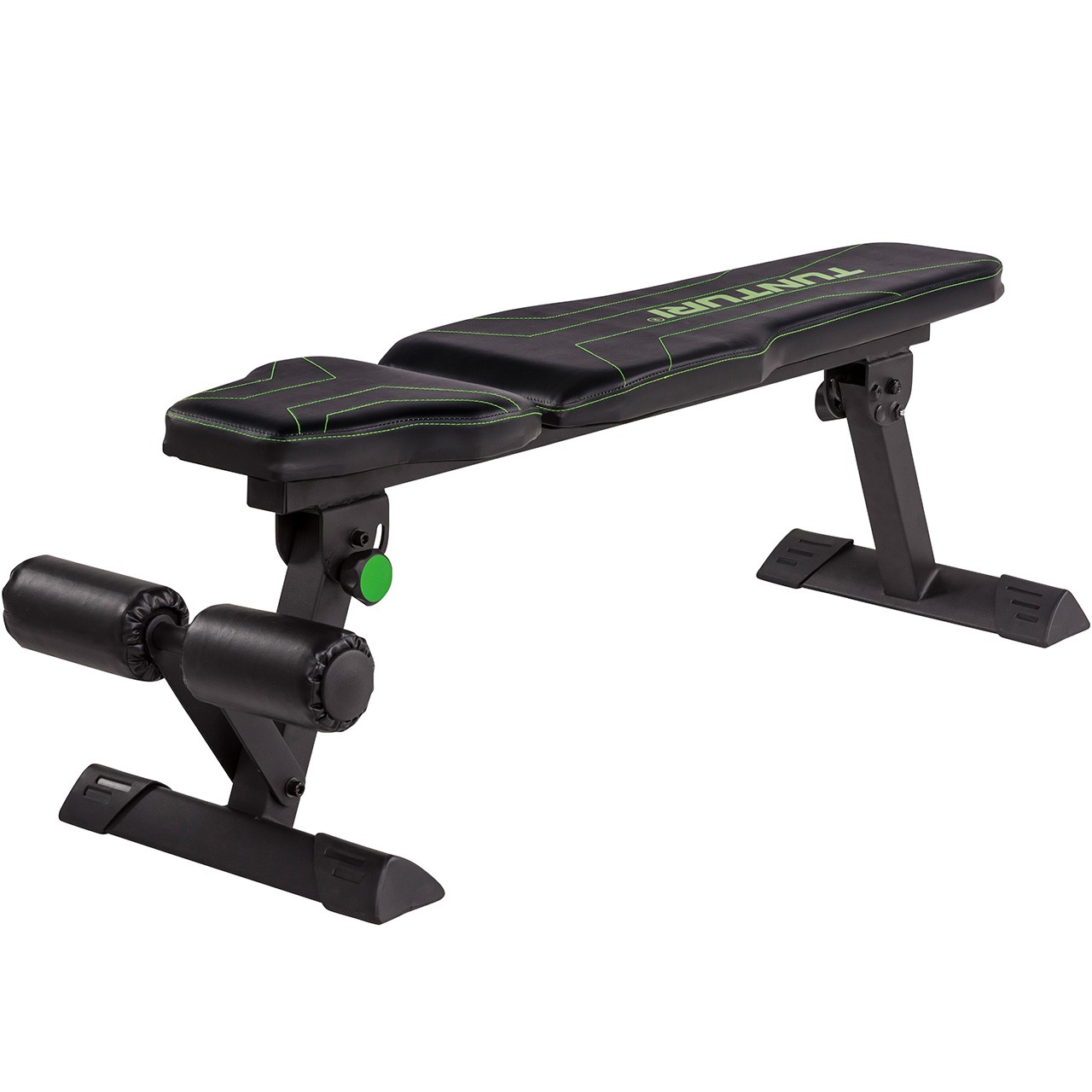
This pulling movement directly counteracts the forward-rounded posture that often develops with age. Hold a dumbbell in each hand, slightly bend your knees, and lean your torso forward to approximately 45 degrees while keeping your back straight. Pull your elbows backward close to your body until your shoulder blades move together. As an alternative, you can use a barbell or perform the exercise one arm at a time using a weight bench for support (see image).

Shoulder Press
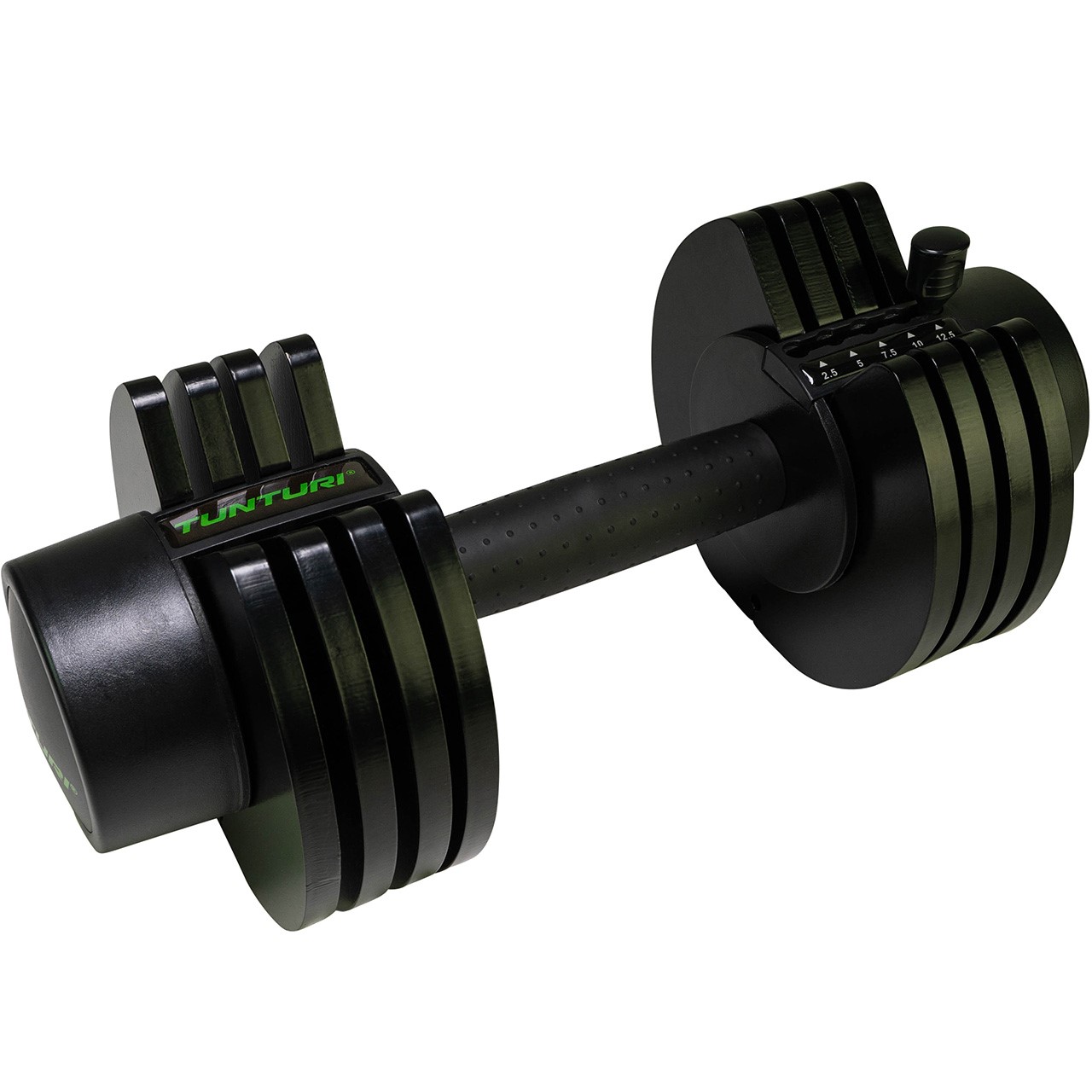
Stand with dumbbells at shoulder height and press the weights directly overhead. Keep the lower back stable and avoid excessive arching. Strong shoulders make lifting, carrying, and supporting yourself in daily life much easier.

© NDABCREATIVITY – stock.adobe.com
Forearm Plank
The most effective exercise for building a strong core. Support yourself on your forearms with your legs extended, forming a straight line from head to heels. Hold the position for 20 to 60 seconds and complete three sets. The plank strengthens both the abdominal and back muscles and provides the foundation for proper movement in all strength-training exercises.


Additional Useful Equipment for Strength Training at Home
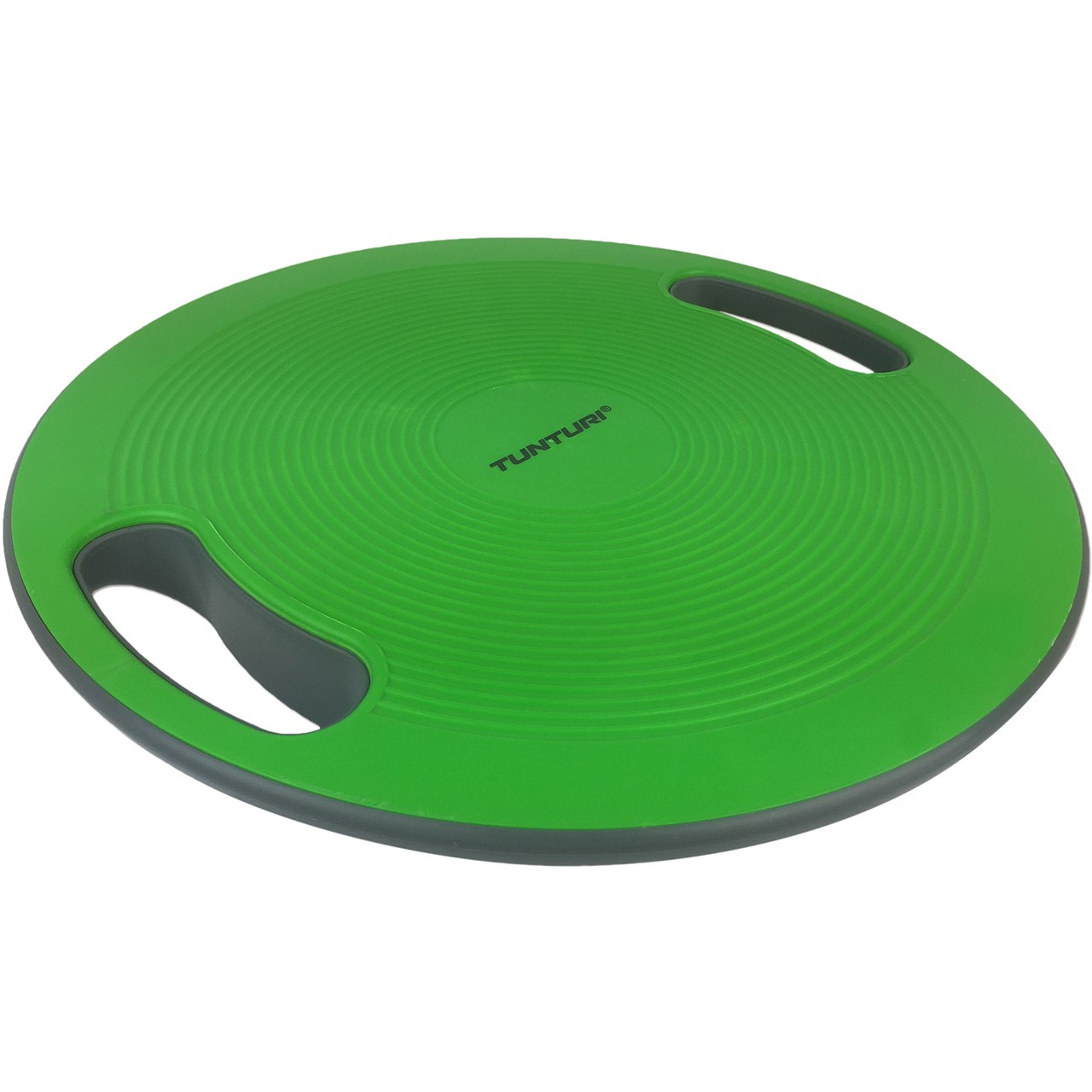
Anyone looking to expand their muscle-building routine has plenty of options when training at home. A balance board adds coordination and stability exercises to your workout plan. Just one minute per day on the unstable surface activates the small stabilizing muscles in the ankles, knees, and hips that help reduce the risk of falls as you age.

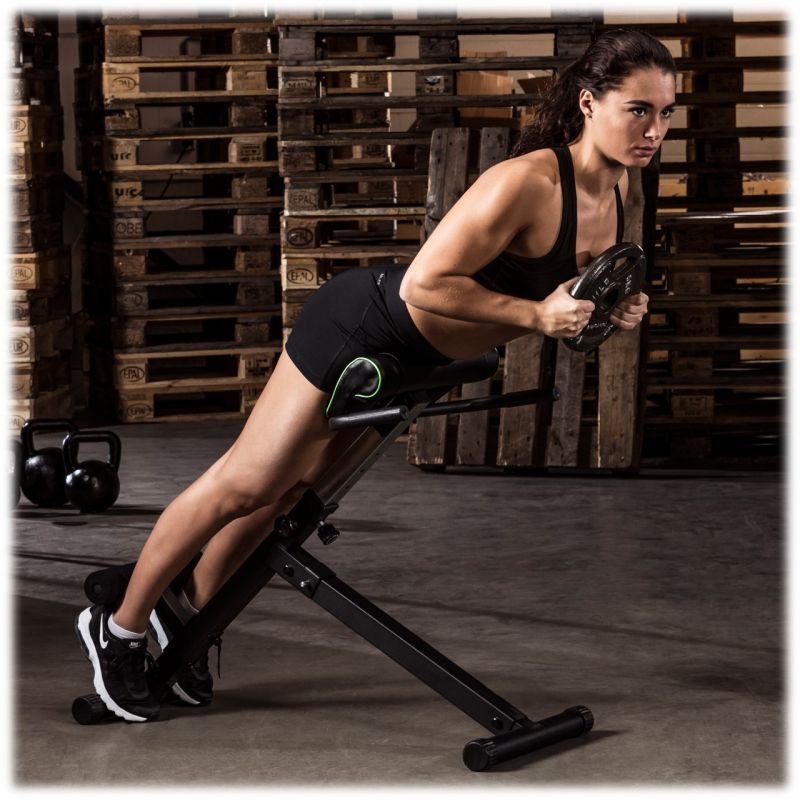
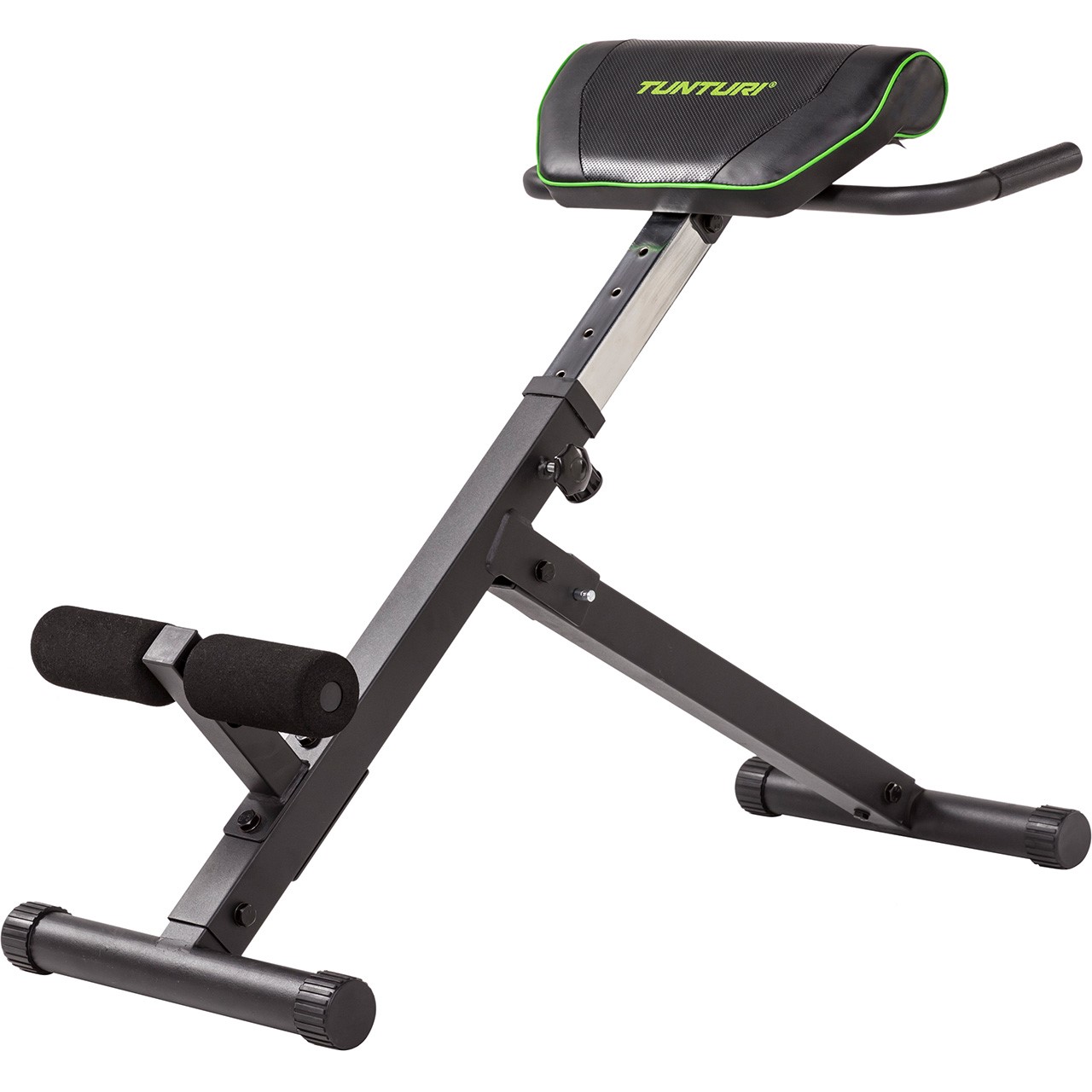
In addition, an abdominal and back trainer can be a valuable addition. It specifically targets the deep core muscles and helps correct postural weaknesses that may have developed over decades.
A fitness mat provides a stable, joint-friendly foundation for your workouts.
Can Women Still Build Muscle as They Age?
Menopause presents the female body with new challenges. As estrogen levels decline, not only does bone mass decrease more rapidly, but muscle protein synthesis also becomes less responsive to training stimuli. Building muscle during and after menopause therefore requires clear priorities.
Increasing bone density becomes one of the most important training goals during this stage of life. A European systematic review and meta-analysis of postmenopausal women found that moderate to high-intensity resistance training can effectively slow the loss of bone density. (1) Adequate training intensity is crucial. Very light weights are generally insufficient to provide the mechanical stimulus needed to activate bone cells.
Our recommendations for women over 50 who are starting strength training:
- Focus on large compound movements such as squats, deadlifts with dumbbells or a barbell, and shoulder presses. These exercises engage multiple muscle chains simultaneously and place load on the bones from several angles.
- Train progressively. This means increasing either the weight or the number of repetitions every one to two weeks. Without progressive overload, muscles will not continue to grow.
- Include protein with every main meal.
Recovery in Older Age: More Rest, Better Sleep!
Between the ages of 30 and 70, recovery time after intense physical activity increases noticeably. What a 35-year-old may recover from within 24 hours can take a 65-year-old two to three days. This is not a weakness but a biological reality.
Recovery in older age rests on two pillars:
- Adequate rest between training sessions and high-quality sleep.
- Seven to nine hours of sleep is considered the ideal range.
During deep sleep, the body releases growth hormones that are essential for muscle recovery. Poor sleep can significantly slow muscle growth.
Active recovery in the form of walking, light cycling on an exercise bike, or gentle mobility training supports blood circulation and accelerates recovery. Reducing stress is equally important. Short breathing exercises or spending time in nature can help. Chronic stress raises cortisol levels, a catabolic hormone that directly promotes muscle breakdown.
A joint-friendly way to stay active between strength-training sessions is by using exercise bikes for seniors.
Nutrition After 60: Supporting Muscle Growth and Recovery

© Jacob Lund – stock.adobe.com
The second half of the muscle-building equation takes place on your plate. Studies from the PROT-AGE Consortium recommend a daily protein intake of 1.0 to 1.2 grams per kilogram of body weight for adults over 65, increasing to as much as 1.5 grams for those engaged in regular strength training. (2) This is significantly higher than older standard recommendations and reflects the anabolic resistance seen in aging muscle cells.
Protein distribution throughout the day is just as important as total intake. The body can only utilize a limited amount of protein per meal for muscle protein synthesis. Three to four protein-rich meals containing 25 to 30 grams of protein each are considered ideal. As a practical guideline, a palm-sized portion of fish, poultry, cottage cheese, tofu, or legumes such as chickpeas, lentils, or white beans per meal works well.
One essential amino acid deserves special attention: leucine. It activates the mTOR pathway, the body’s primary muscle-building switch, and is particularly important in older age for overcoming anabolic resistance. Excellent sources include eggs, quark, chicken breast, and lentils.
Three additional nutrients deserve attention:
- Vitamin D: Supports muscle function and bone health. Supplementation is often beneficial during the winter months in Switzerland.
- Omega‑3 Fatty Acids: Found in oily fish, flaxseeds, walnuts, chia seeds, and hemp seeds, they have anti-inflammatory properties and may support muscle protein synthesis.
- Adequate Calorie Intake: This forms the foundation for muscle growth. If energy intake is too low, even a perfect protein intake will not be enough to support optimal muscle development.
The Most Common Mistakes in Strength Training at an Older Age
Even highly motivated beginners can stop making progress if they fall into common training traps. These are the four mistakes we see most often.
Progressing Too Slowly
Out of caution, many older adults train with weights that are too light for too long. The stimulus is then insufficient to trigger muscle growth. Progressive overload remains essential at any age, although it should be applied gradually and safely.
Cardio Instead of Strength Training
Cycling, walking, and hiking are excellent for cardiovascular health. However, they cannot replace resistance training. Both forms of exercise complement each other but do not substitute for one another. Learn more about their interaction in the isports article on hypertrophy training.
Neglecting Leg Training
Leg strength is the most important protective strength as we age. It determines your ability to stand up, climb stairs, and maintain balance. Yet many people focus on their arms and abs first.
Too Little Protein at Breakfast
Traditional Swiss breakfast options such as bread with jam or muesli with milk often contain very little protein. However, the first meal of the day is particularly important for compensating for overnight protein breakdown. Quark, eggs, or cottage cheese are much better choices.
Regaining Everyday Strength
Three training sessions per week, protein with every meal, and at least seven hours of sleep: these are the essential pillars of muscle growth, whether you are 30 or 60 years old. After twelve weeks, you will notice that everyday movements feel easier and that your strength has improved significantly. You can find the right equipment to start your training journey in the isports online shop, and you can even test it in person at our showroom in Lupfig. Our specialists will be happy to advise you.
Frequently Asked Questions About Building Muscle as You Age
How Often Should Older Adults Do Strength Training?
Two to three sessions per week are sufficient to stimulate sustainable muscle growth. Ideally, allow at least 48 hours of recovery between training sessions targeting the same muscle group.
How Soon Will I See Results?
Initial strength gains typically appear after four to six weeks, while visible muscle growth usually becomes noticeable after eight to twelve weeks of regular training. Older adults generally need a little more patience than younger individuals, but the results remain clearly measurable.
Is It Still Possible to Build Muscle at 70?
Yes. Muscles continue to respond to training stimuli even at 70 or 80 years of age. Several studies involving people over 80 have demonstrated strength increases of more than 100 percent within a few weeks, provided the training is progressive and sufficiently challenging.
Do I Need Protein Powder to Build Muscle as I Age?
Not necessarily. If you can meet your daily protein requirements of 1.2 to 1.5 grams per kilogram of body weight through regular food, protein supplements are not required. However, for those with a reduced appetite or chewing difficulties, a protein shake after training can be a practical solution.
Does Strength Training Harm the Joints in Older Age?
Quite the opposite. Properly performed strength training strengthens tendons, ligaments, and cartilage while reducing stress on the joints in daily life. The key is correct technique and a gradually progressive training load.
References
(1) Wang, Z. et al. (2023): Comparative efficacy of different resistance training protocols on bone mineral density in postmenopausal women: A systematic review and network meta-analysis. Frontiers in Physiology, 14:1105303.
(2) PROT-AGE Study Group (2013): Evidence-based recommendations for optimal dietary protein intake in older people: A position paper from the PROT-AGE Study Group.