A pulling sensation in the lower back, tension in the shoulders and neck: around 45 percent of the Swiss population suffers from back problems. But it doesn’t have to be that way! With the right back training routine at home, these issues can be addressed effectively and prevented at an early stage. In this guide, you’ll learn which fitness equipment and exercises help strengthen your back efficiently.
Let’s start with the basics: How is the back structured?
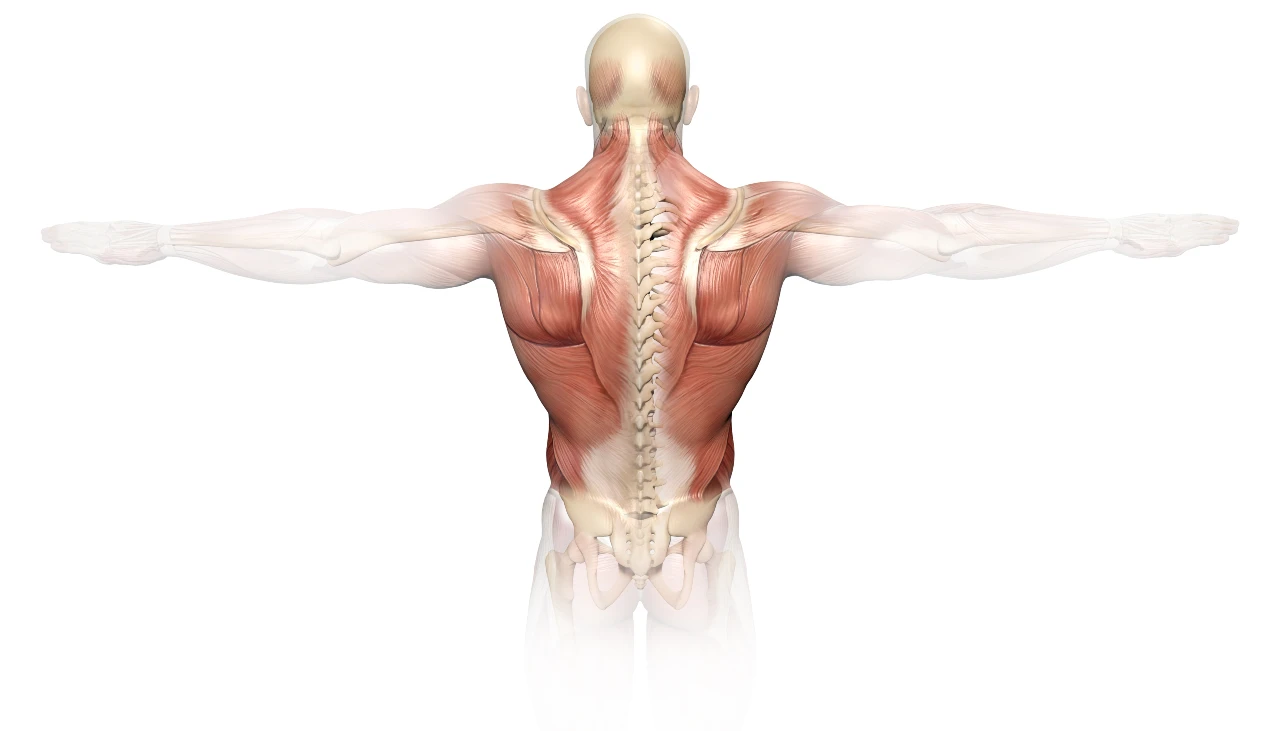
The back is not a single muscle but a team of several muscle layers stacked on top of each other. Deep inside, directly along the spine, are small muscles that keep each vertebra in place. They provide the fine stability that we unconsciously rely on when bending, twisting, or standing up.
© Axel Kock – stock.adobe.com
Above these lies a longer muscle layer that keeps the upper body upright and extends along both sides of the spine from the pelvis to the neck. This is the area that quickly becomes fatigued and tense after prolonged sitting.
The upper, visible layer consists of three large muscles that every back workout should target:
- The latissimus dorsi extends from the hip to the upper arm and creates the characteristic V‑shape. It is activated during every pull-up and while training on a rowing machine.
- The trapezius muscle is located between the neck and the middle back and controls the shoulder blades. It is essential for maintaining an upright posture.
- The erector spinae muscles run along both sides of the spine and straighten the upper body. Without them, you would immediately fall forward while standing.
Where are the common problem areas in the back?
Nearly half of the Swiss population reported back pain in the most recent Swiss Health Survey. Among men, back pain is even the most common physical complaint, and at least 80 percent of people experience back problems at least once in their lives. The Back Report 2020 concluded: “Back pain is a widespread public health issue.”

© Charnelle VDR/peopleimages.com – stock.adobe.com
These complaints often occur in several areas. The lumbar spine carries most of the body’s weight and is particularly sensitive to improper lifting techniques as well as weak abdominal and glute muscles. The thoracic spine becomes stiff from hours spent leaning forward at a screen, leading to the dull pressure often felt between the shoulder blades. Meanwhile, the cervical spine suffers from constantly looking down at a smartphone – commonly referred to as “tech neck”.
How can you strengthen your back?
Without muscle development, there is no stable core. Three key elements have been proven to reduce back pain and protect the spine over the long term.
- Targeted strength training with weights two to three times per week. This builds muscle mass and teaches the deep stabilising muscles to absorb loads correctly.
- Mobility training: Exercises for balance and stability effectively strengthen the core.
- Conscious posture in everyday life: An ergonomic sitting position and getting up regularly from your desk help prevent twelve hours of sitting from undoing the benefits of your back training.
Which fitness equipment is best for back training?
A variety of fitness equipment can be used for back training at home. The choice depends on your available space, budget, and goals. These pieces of equipment cover virtually all important movement patterns:
- Dumbbells allow rowing variations, reverse flyes, and pullovers
- Barbells with weight plates form the basis for deadlifts and bent-over rows
- Kettlebells combine strength and endurance through dynamic movements
- Pull-up bars provide the most effective exercise for developing the lats
- Rowing machines train the shoulders, lats, legs, and cardiovascular system simultaneously
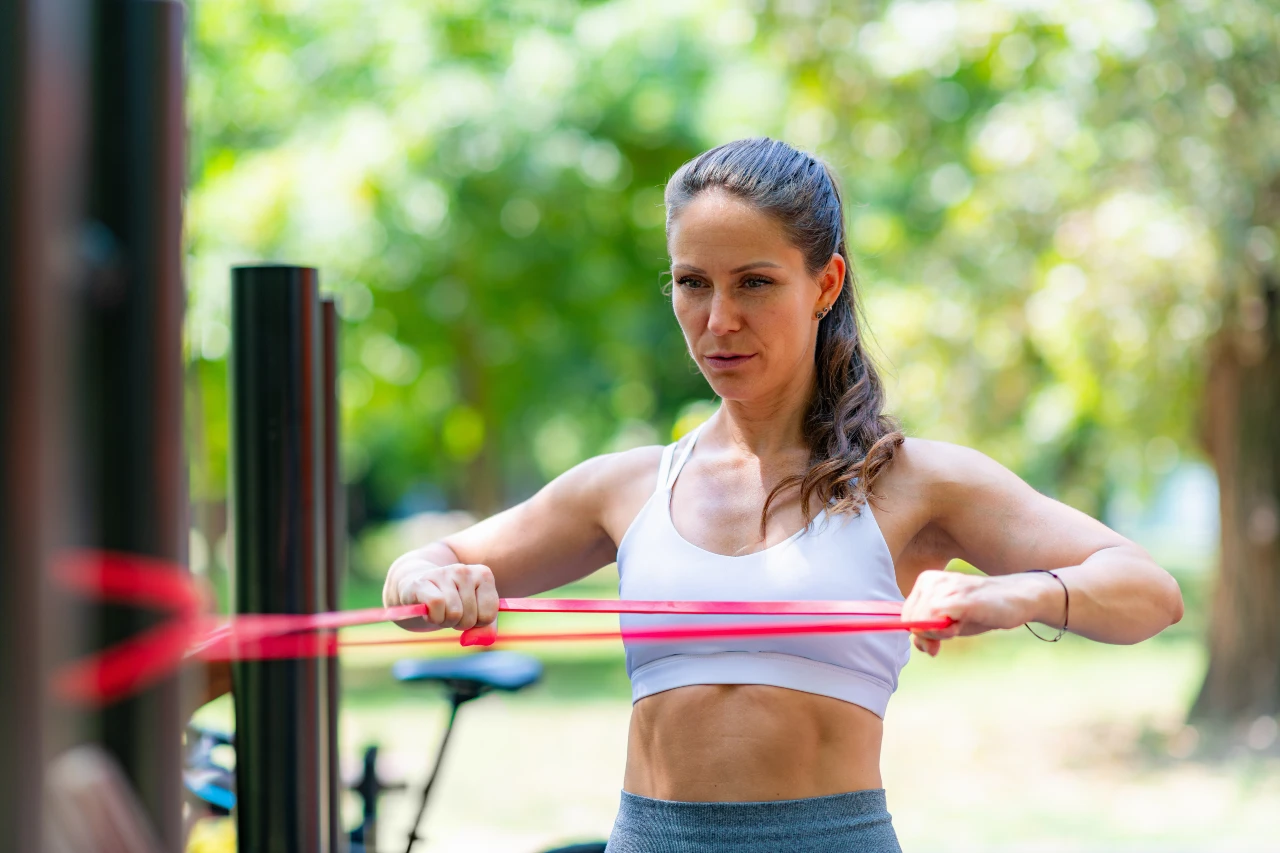
- Resistance bands are particularly suitable for people with back problems
- Weight benches serve as the foundation for dumbbell exercises
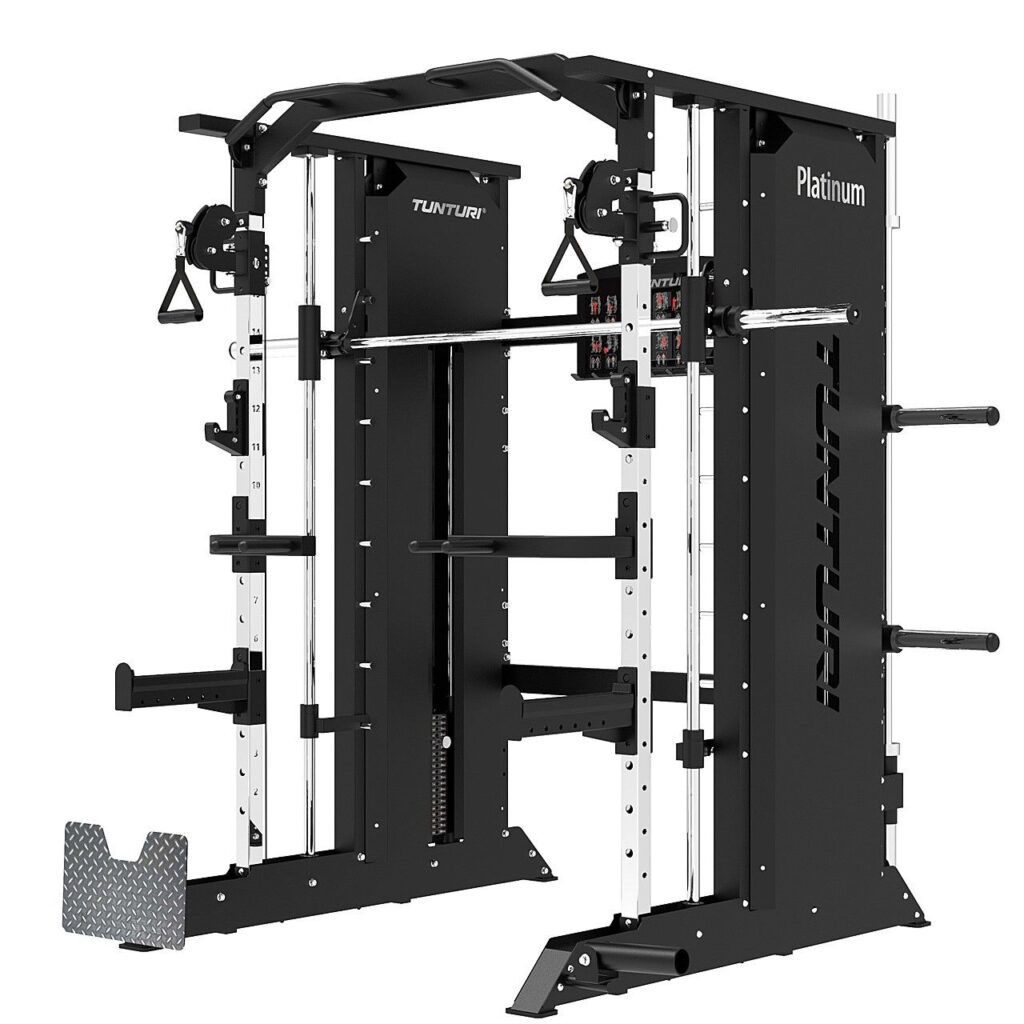
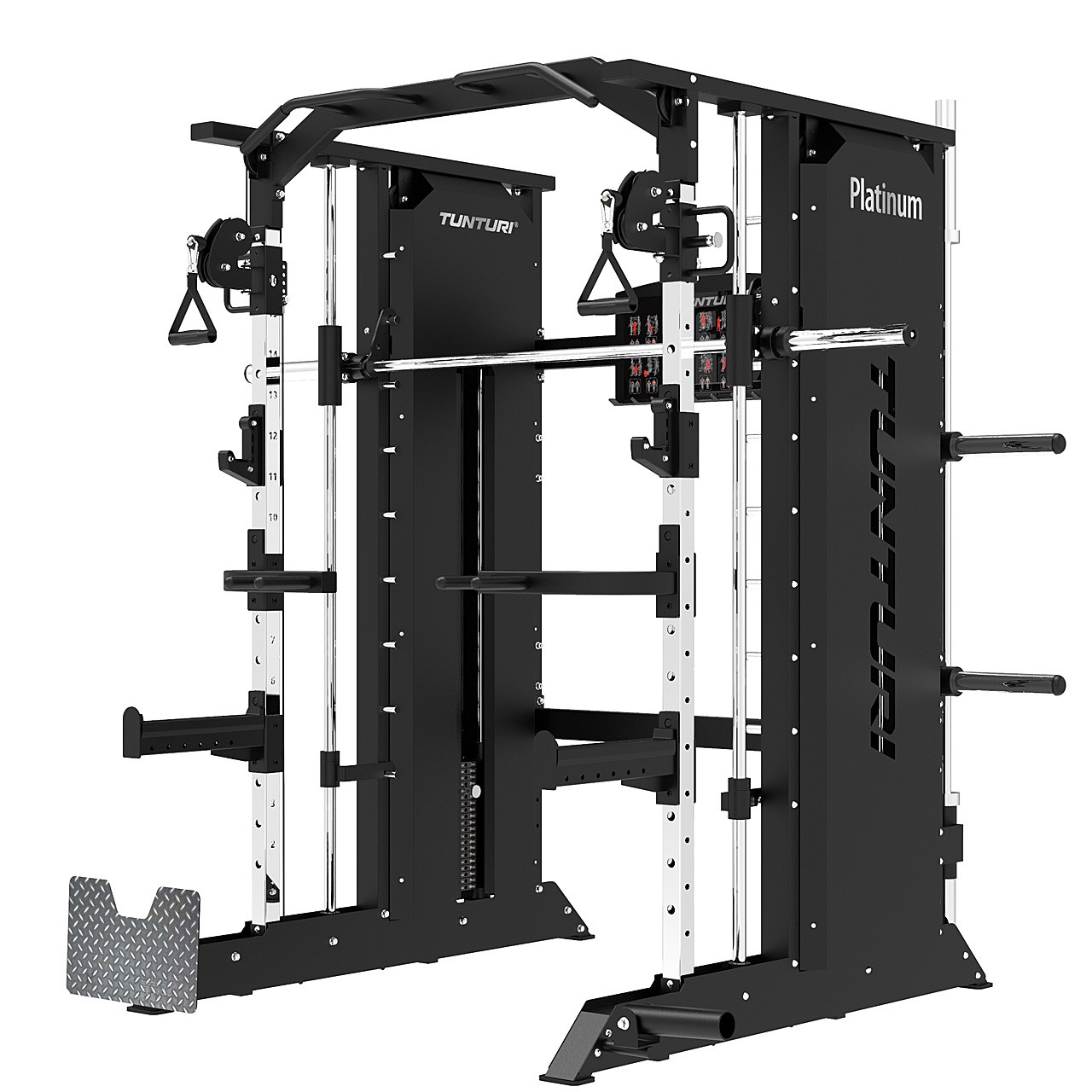
- Multi-gyms provide lat pulldowns, rowing exercises, and many other functions in a compact space