

















































Power Stations for Every Home Gym and the Studio: The Comprehensive Buying Guide
What Is a Power Station and Who Is It Worth It For?
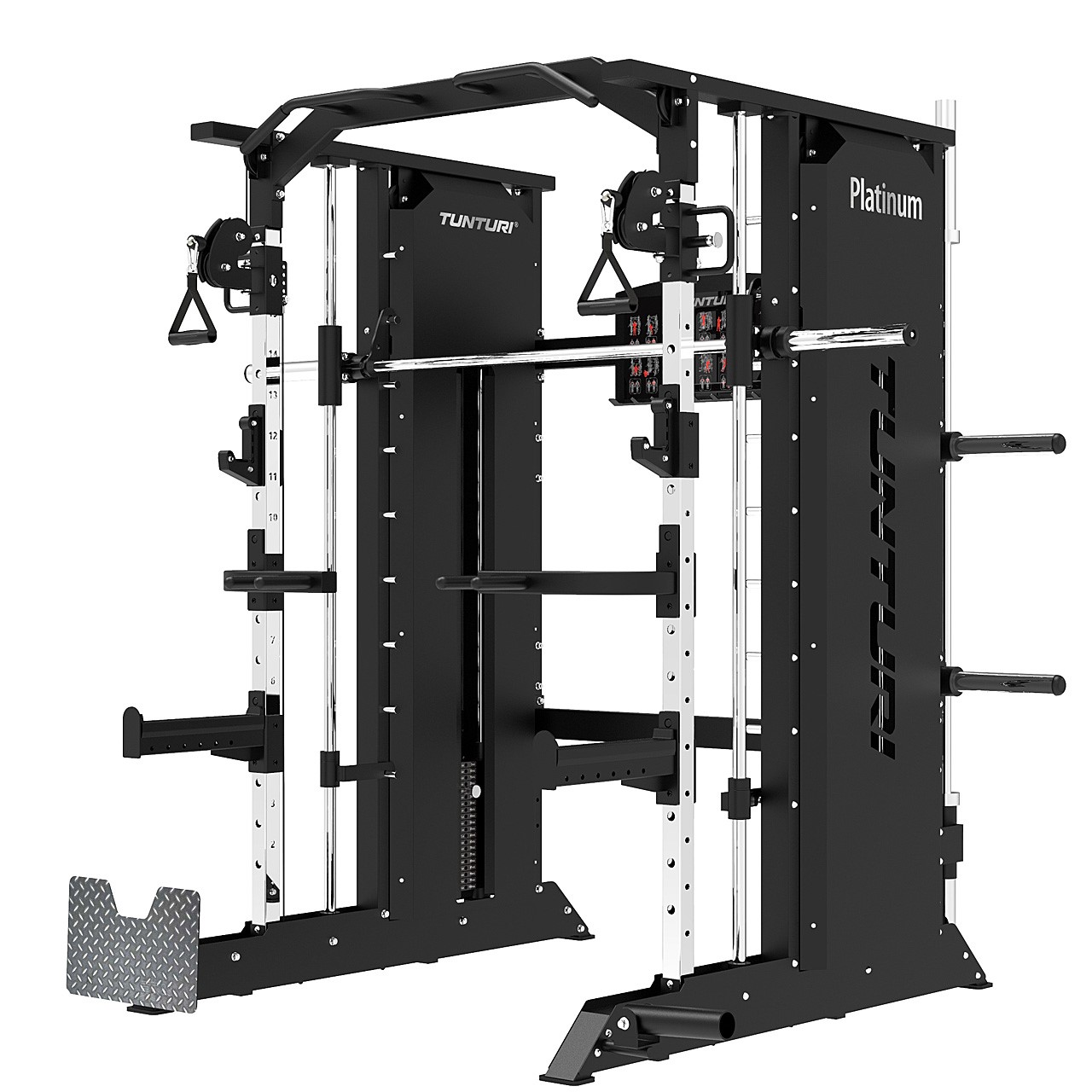
A power station combines several training stations in one piece of equipment, making a complete strength workout possible in a small space. Instead of buying a barbell, cable tower, leg press, and pull-up bar separately, you train your whole body in one place with a power station. This is especially worthwhile for anyone who wants to train regularly and in a structured way at home, without having to schedule time for the gym or wait for free equipment. Power stations are also a space-saving all-in-one solution for small company fitness rooms, physiotherapy practices, or hotels with a fitness area.
The Most Important Power Station Types at a Glance
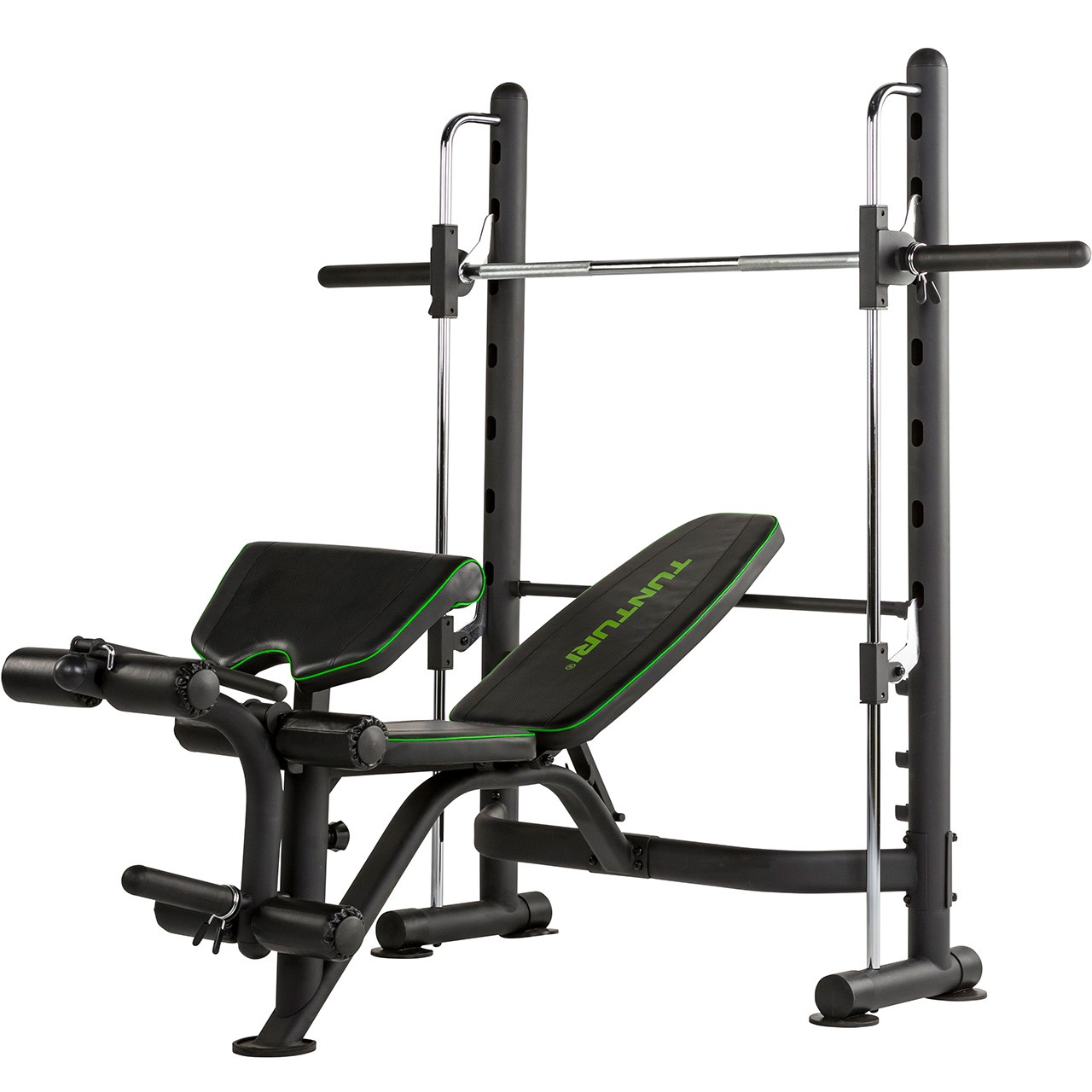
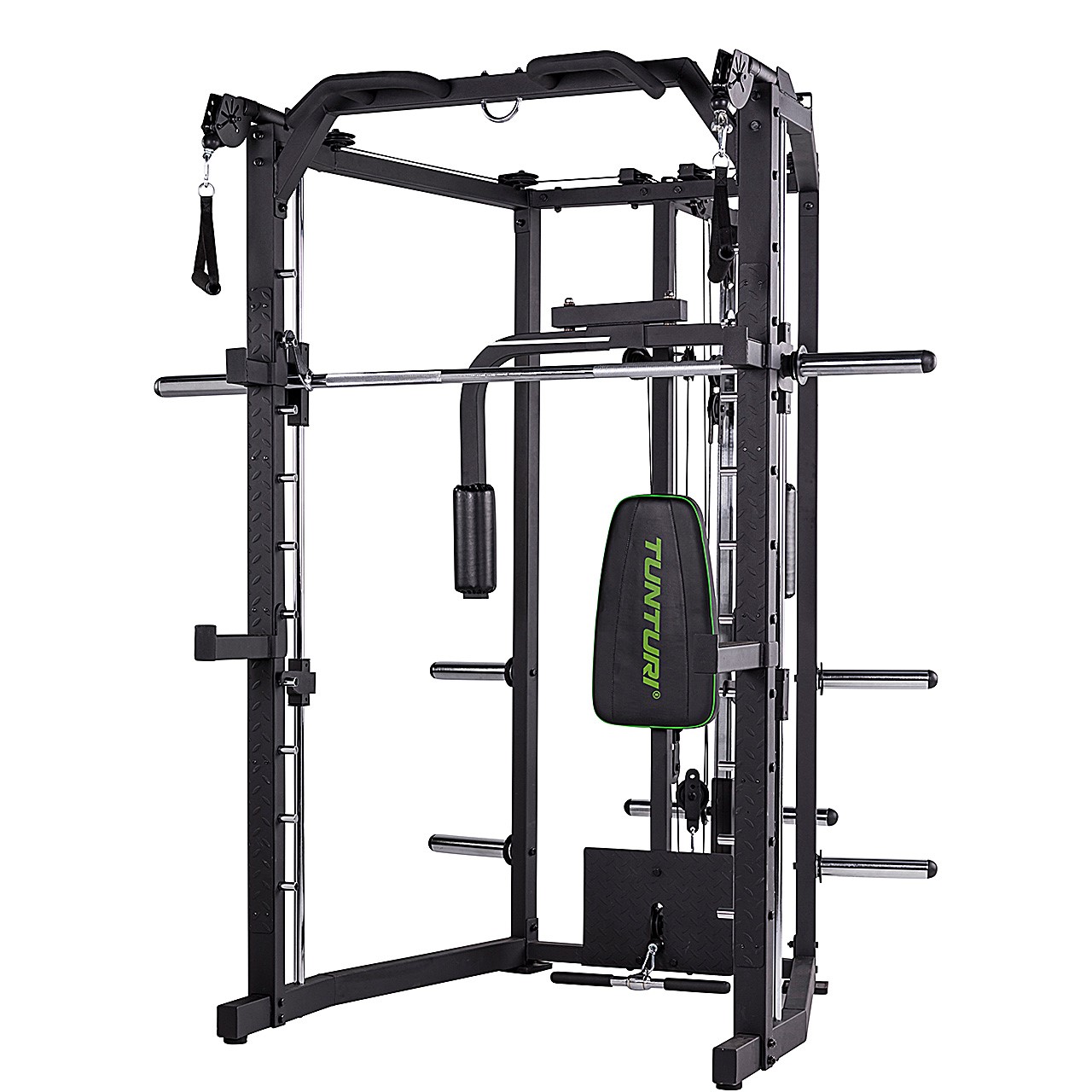
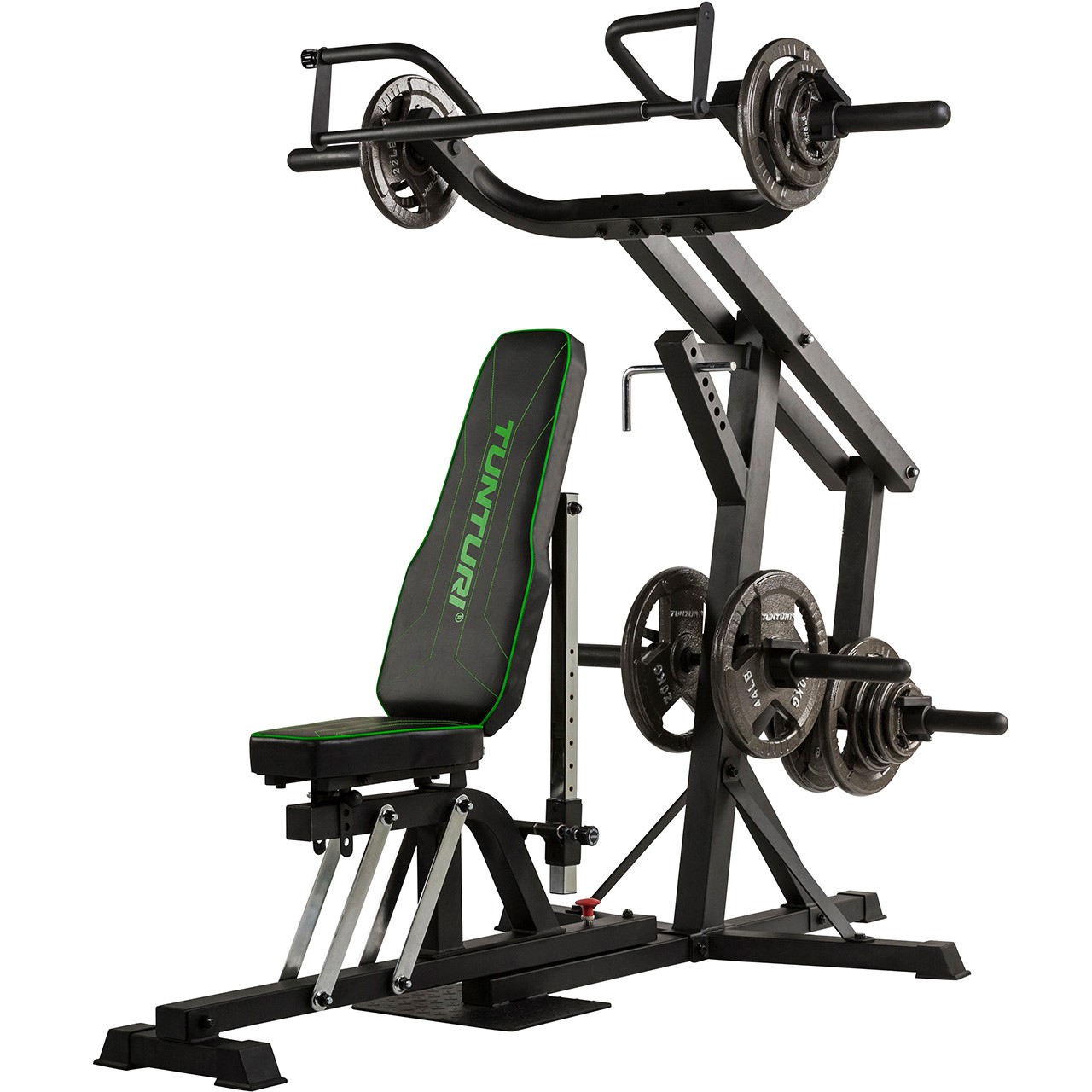
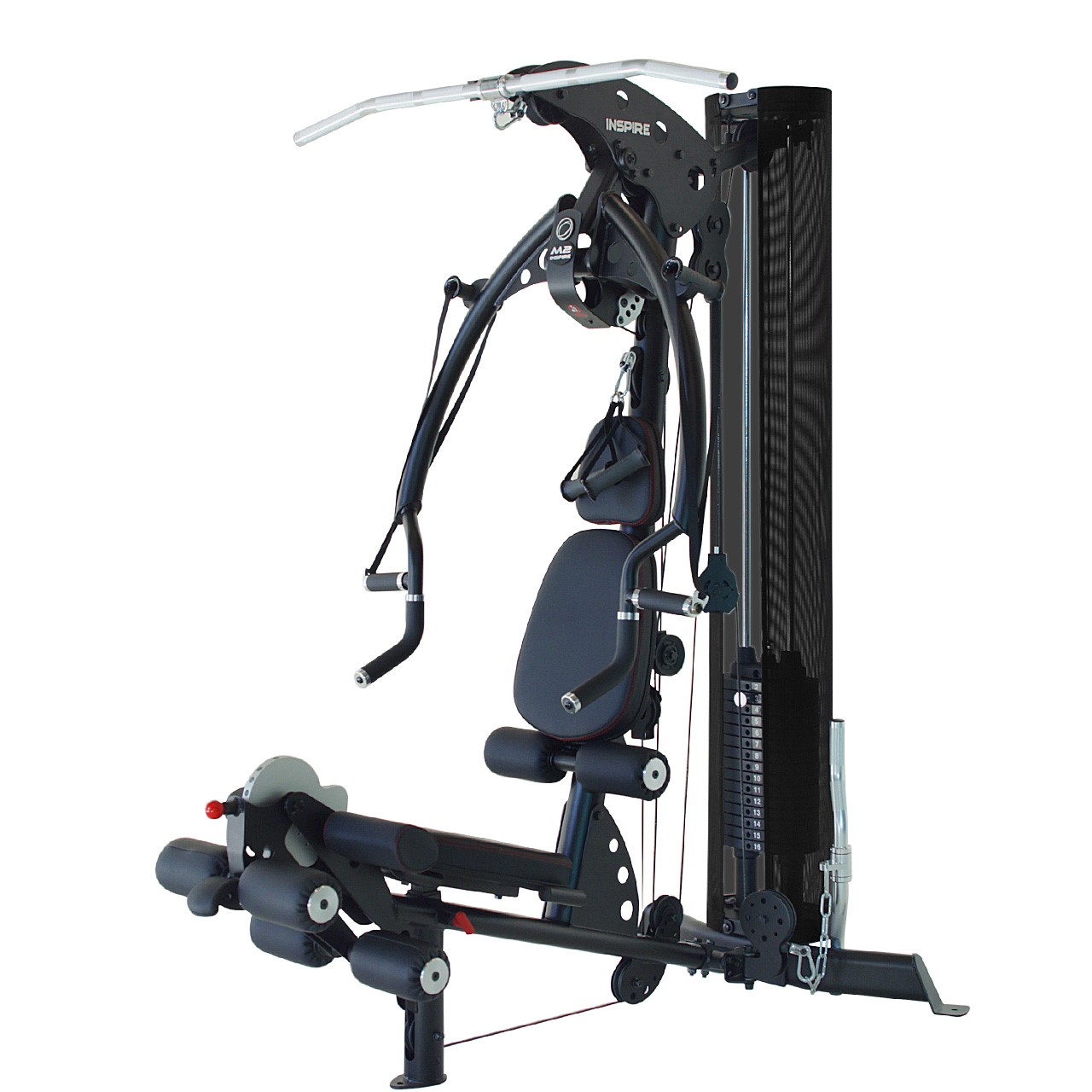
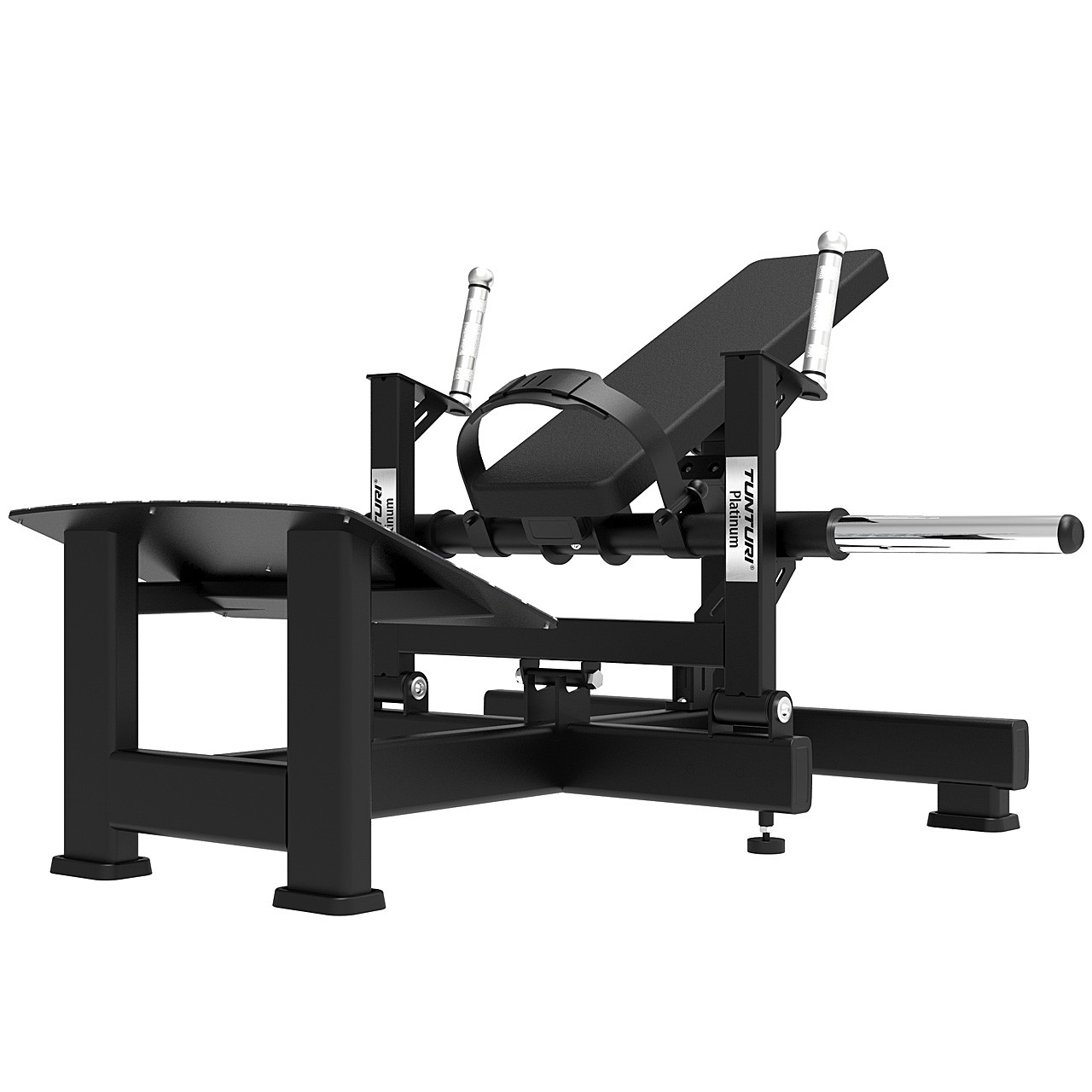
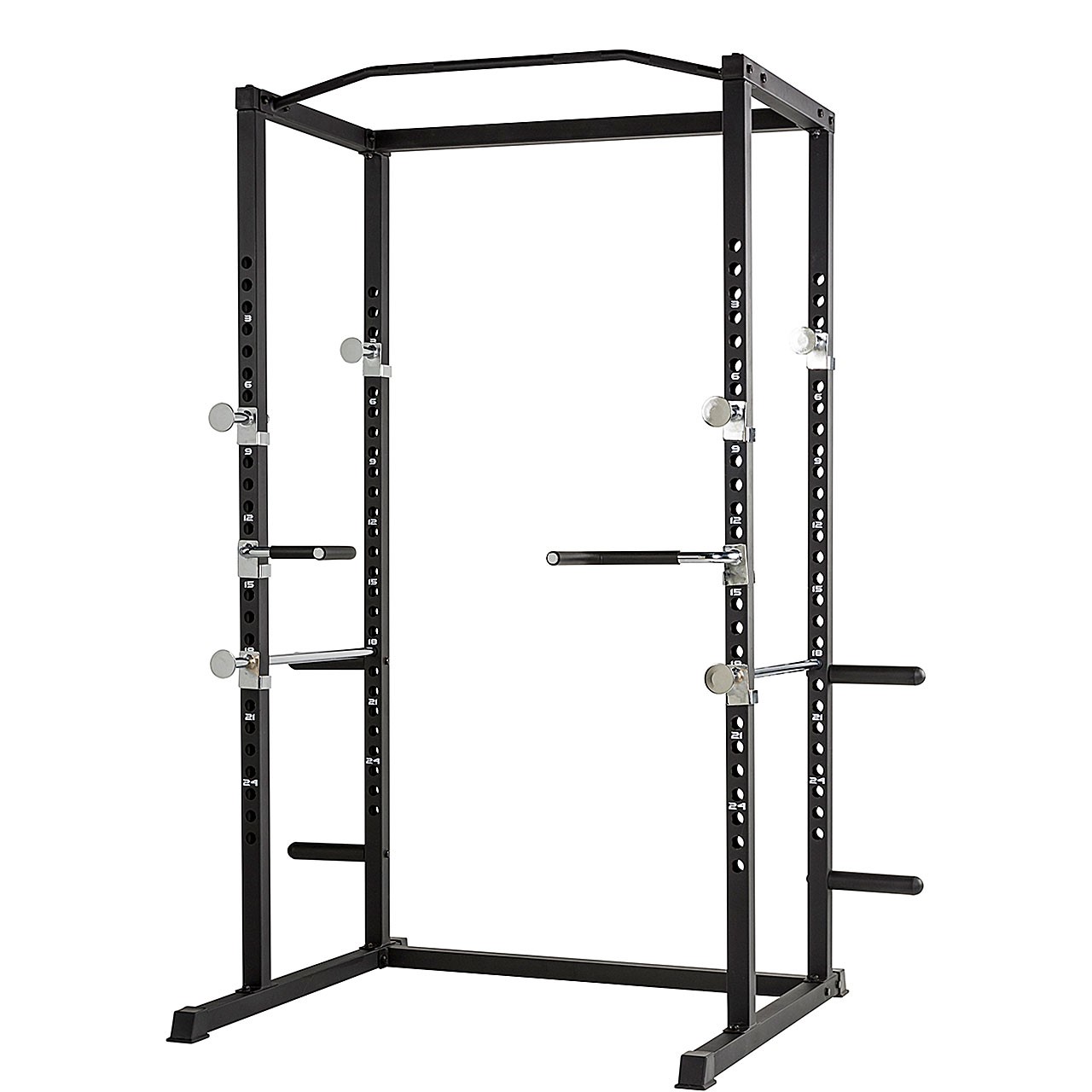
Not every power station is equally suited to every goal. If you’re looking for the greatest variety of exercises, a cable station (also called a cable pulley) is your best choice: mounted pulleys, also known as pulley wheels, combined with a weight stack let you perform dozens of exercises for the whole body. For heavy basic exercises with the barbell, such as squats or bench press, you need a power rack or squat rack with safety spotter arms. If you prefer guided training without a training partner, a Smith machine (Multipress) offers the safer alternative to a free barbell. For targeted leg training, there are leg presses for heavy basic exercises as well as separate machines for leg extensions, leg curls, and hip abductors. If you want to train your back, chest, and shoulders in isolation, you’ll find suitable equipment in the upper body power stations category. And if you prefer training with your own body weight, reach for a power tower with a pull-up bar and dip handles.
Buying a Power Station: Your Checklist for the Right Decision
Before deciding on a model, go through the following points:
- Measure the space needed and ceiling height. Note the floor area and room height, especially for equipment with a pull-up bar or a tall cable tower. Also allow at least 50 cm of movement clearance on all sides.
- Decide between a weight stack or plate loaded. Pin-loaded weight stacks adjust faster and are ideal for beginners through advanced users. Plate-loaded machines, using your own weight plates, allow higher maximum loads for ambitious athletes.
- Check the maximum load capacity. Pay attention to the maximum user weight and the maximum total load, especially with heavier training weights.
- Define your training goal. Full-body training with many exercises calls for a cable station, targeted basic exercises with the barbell call for a power rack or a Smith machine, and isolated leg training calls for a leg press.
- Plan for expandability. Check whether the power station can later be expanded with a leg press, a dip station, or additional cable options, so it grows along with your training progress.
- Compare build quality and warranty. A stable frame construction and a solid manufacturer’s warranty are decisive for durability with daily use.
- Set a realistic budget. Entry-level models with a weight stack start at around CHF 800; comprehensive multi-station units for multiple users and studios range between CHF 4,000 and 6,000.
- Clarify assembly and delivery. Check whether you want to assemble the equipment yourself or need an installation service, which isports.ch offers for larger models.
Not sure which machine suits you? Get advice in person at our showroom in Aargau. Our guide Power Station vs. Cable Tower explains the key differences.
Power Station for Home or the Gym: What Suits You?
Owning your own power station at home saves time and the cost of a gym membership in the long run, and you also train without waiting for equipment, in familiar surroundings. For anyone training several times a week at fixed times, a personal power station usually pays for itself within one to two years compared to a gym membership.
Health Benefits of Regular Strength Training
Regular strength training not only strengthens muscles but also protects joints, improves bone density, and has a positive effect on metabolism. In its official physical activity recommendations, the Federal Office of Public Health recommends that adults include muscle-strengthening activities in their routine at least twice a week. A power station makes it easy to achieve this goal consistently, even without a gym membership. In the article Building Muscle in Old Age, read tips on how strength training can succeed from age 60 onward.
Why isports.ch
With 4.9 out of 5 stars from more than 83 Google reviews, isports.ch is one of the best-rated fitness equipment retailers in Switzerland. Our team provides personal advice on the right model in our fitness showroom, handles assembly at your location on request, and offers brands like Tunturi, Inspire and Ironmaster all from one source.
Frequently Asked Questions About Power Stations
What does a good power station for home cost?
Entry-level models with a weight stack start at around CHF 800; comprehensive multi-station units for multiple users and studios range between CHF 4,000 and 6,000.
How much space does a power station need?
Compact models need 2 to 3 square meters of floor space; large combination units with a cable and rack require correspondingly more room and at least 2.35 meters of ceiling height for pull-up bars.
Power station or individual machines: which makes more sense?
A power station is worthwhile once you regularly perform more than two to three different types of exercises.
Which brand is recommended for power stations?
Tunturi and Inspire are among the most established brands in the home gym segment, known for solid build quality and good spare parts availability. Ironmaster offers compact alternatives that can also be expanded.
Can I assemble a power station myself?
Most models can be assembled with standard tools in one to three hours. isports.ch offers an on-site assembly service.
How often should I train on the power station?
For noticeable results, two to three training sessions per week are recommended, with sufficient recovery between sessions for the same muscle group.
Is a power station also suitable for beginners?
Yes, the guided movement of power stations is safer than free training with a barbell, making it especially recommended for beginners.
What’s the difference between a power station and a Smith machine?
A power station usually combines several stations, such as a cable station, a leg press, or a lat pulldown. A Smith machine (Multipress) specifically guides the barbell in a fixed track for safe training with free weights.
What’s the difference between a power station and a cable tower?
A cable tower is a specific type of construction within power stations, focused on cable training. We explain the details in our guide Power Station vs. Cable Tower.