

How to Build Muscle Sustainably
Do you want a defined body shape with visibly strong muscles? Then hypertrophy training is just what you need. This type of training increases your muscle cross-section – meaning your muscle fibers become thicker. The result is not only a toned, athletic physique but also potential benefits such as increased bone density, stronger connective tissue, and a positive impact on both your cardiovascular system and mental well-being.
The best part? With the right training plan and a bit of patience, anyone can build muscle – even at home. In this guide, you’ll learn step by step what hypertrophy training really is, how muscle growth works, and which exercises and programs are best suited for both men and women. Keep reading and start your sustainable muscle-building journey today!
What does hypertrophy actually mean?
Do you want to build muscle effectively, get stronger, and give your body a more defined shape? That’s exactly what hypertrophy training is all about. But what does the term actually mean?
In a broader sense, hypertrophy refers to the enlargement of an organ or tissue. In strength training, however, it mainly describes muscle growth achieved through systematic training and proper nutrition. The key factors are consistent workouts, progressive increases in training intensity, and sufficient protein intake – all of which we’ll explore in more detail as we go along.

© NDABCREATIVITY — stock.adobe.com
Who is hypertrophy training suitable for?
- For anyone who wants to build muscle and improve body tone – whether you’re a beginner or advanced, female or male.
- For people who want to take preventive steps for their health, since increased muscle mass strengthens bones, joints, and metabolism.
- For athletes aiming to enhance their strength, explosiveness, and overall performance.
The goals at a glance: More muscle mass, a defined physique, health benefits, and improved athletic performance.
How does muscle growth work?
Of course, you don’t just want to understand what hypertrophy means – you also want to know how your muscles actually grow in size. We’ll answer that question in the following sections.
Training Stimulus: Tension as the Trigger
Whenever you make your muscles work against resistance – whether with barbells, a cable machine, or your own body weight on a pull-up bar – a strong tension develops in the muscle.

Why stress signals growth
This very stimulus is the starting signal for muscle growth. What’s crucial for sustainable growth is that you repeatedly push your muscles close to their limit. This doesn’t mean you need to injure yourself or train to complete exhaustion – but you should work out in a way that only a few clean repetitions remain possible. This “training close to failure” tells your body: I need more strength and more muscle mass.
Muscle Protein Synthesis: “Repair” with Protein
After training, the actual muscle-building process begins: your body recognizes the stress from the workout and triggers a cascade of adaptations. Small micro-tears form in the muscle fibers, activating muscle protein synthesis – the process by which new protein structures are built. The existing fibers are repaired, thickened, and strengthened, making them more resilient and powerful for the next session. Your body mainly uses the amino acids from protein in your diet for this process. The better your intake of high-quality protein, the more effectively this repair and growth can take place.

© WavebreakmediaMicro — stock.adobe.com
In short: Your muscles grow when you challenge them regularly, gradually increase the load, and then give your body enough time and nutrients to adapt.
Difference from Traditional Strength Training
Does this all sound familiar, and are you wondering if hypertrophy training is just the same as “traditional” strength training? The two terms are often used interchangeably, but they actually have different focuses.
Traditional strength training primarily aims to increase maximum strength – the heaviest weight you can lift for a single repetition. It involves very heavy loads, few repetitions (usually 1–5), and long rest periods. The body adapts mainly neurally, learning to recruit more muscle fibers simultaneously and more efficiently.
Hypertrophy training, on the other hand, focuses on muscle growth. It typically uses moderate to heavy weights, a moderate rep range (around 6–15), and a higher overall training volume. This approach increases the size of the muscle fibers, visibly enlarging the muscle cross-section.
It’s important to understand that the two training styles overlap. Building muscle naturally increases your strength potential, and intense strength training also promotes muscle growth – though not as efficiently as a hypertrophy-focused program. With hypertrophy training, you can therefore not only build visible muscle but also become stronger.

Basics of a Hypertrophy Training Plan
What should your training plan look like for optimal muscle growth? We’ll explain this in the following sections. But first, here are a few useful points to help you create your plan:
Intensity: Choosing the Right Weight
For your training plan, the general rule is: use moderate to heavy weights, work within a medium repetition range, and ensure sufficient training volume – complemented by strategically planned rest periods and a well-thought-out training frequency for each muscle group. Specifically, this means lifting 60–80% of your maximum strength.
This intensity challenges your muscles effectively while still allowing controlled execution over multiple repetitions. If you’re just starting out, it’s fine to begin at around 50% and gradually increase. A classic example is the bench press: using the right weight, you train not only your chest muscles but also your shoulders and triceps effectively – as long as the intensity is challenging yet manageable.


Properly Managing Training Volume
Training volume plays a central role in muscle growth. Your muscles need a sufficiently strong growth stimulus spread throughout the week – intense enough to trigger adaptation processes, but not so much that recovery is compromised. Compared to traditional strength training, hypertrophy training involves more repetitions and a higher overall training volume.
Rest and Frequency: Balancing Stress and Recovery
Equally important are your rest periods between sets and how often you train. Allow yourself enough recovery between sets so that you can perform each subsequent set with consistent intensity. Schedule your workouts throughout the week so that each major muscle group is trained at least twice.
Your Foundation for Muscle Growth
Your entire training plan is built on these key pillars – intensity, volume, rest, and frequency. In the following sections, you’ll discover the ideal number of repetitions, sets, and weekly sessions for noticeable results.
How Many Repetitions Do You Need?
For effective muscle growth, a repetition range of 6 to 15 per set is recommended. This range provides the optimal balance: you use enough weight to create intense muscle tension, perform a sufficient number of repetitions, and maintain proper form throughout.
However, this number is only a general guideline. You can also build muscle with heavier weights and fewer repetitions (around 5–8) or lighter weights and more repetitions (up to 30) – as long as you push your muscles close to their limit at the end of each set. The exact number of reps is therefore less important than ensuring that you challenge your muscles near failure.

Pay Attention to Tempo
Equally important as the number of repetitions is the movement tempo. Each rep has two phases: Concentric phase (lifting the weight): Your muscle contracts powerfully. Perform this phase in a controlled and dynamic manner, taking about 1–2 seconds. Eccentric phase (lowering the weight): Your muscle works against the resistance while lengthening. Take your time here – 2–4 seconds is ideal. This negative movement is particularly effective for muscle growth.
Good to know: The number of reps gives you a framework, but the real growth stimulus comes from precise execution and consistently training close to your muscle’s limit.
How Many Sets Should You Do?
Three to five working sets per exercise are a proven guideline. This number is enough to challenge your muscles effectively without compromising form. It’s crucial that you can perform every repetition with proper control, even in the final set – this ensures an effective stimulus while minimizing the risk of injury.
To maximize the effect of your training sets, always start each exercise with at least one warm-up set using lighter weight. This prepares your muscles, joints, and nervous system for the upcoming load and improves performance in the subsequent sets.
Rest Periods Between Sets
The length of your rest periods directly affects how well you perform in the next set. For muscle growth, your muscles should be challenged enough while still allowing adequate recovery. For major compound exercises – such as barbell squats, deadlifts, bench presses, or rows – longer rests of 1 to 3 minutes are recommended. This gives your muscles enough time to partially recover, allowing you to perform the next set with high quality.
For isolation exercises – such as bicep curls, tricep extensions, or lateral raises with dumbbells – 60 to 90 seconds of rest is sufficient. The load per muscle is smaller here, and shorter breaks help keep the training stimulus high.

How Often Should You Train per Week?
For continuous muscle growth, each muscle group should be trained at least twice a week. This ensures regular growth stimuli without compromising recovery. In practice, there are two main approaches: Full-body plan: Train all major muscle groups two to three times per week in sessions lasting about 60–80 minutes each. Split plan: Divide your muscles across different days – for example, upper body and lower body separately. This results in four to five sessions per week, each lasting 30–45 minutes. Both approaches are effective as long as the weekly workload per muscle group is sufficient and your technique is correct.
It’s important to adjust training frequency to your lifestyle, recovery needs, and experience level. Beginners can achieve good results with just two full-body sessions per week, while advanced trainees can benefit from higher frequencies for more targeted training.
- Intensity: ~60–80% of your max weight (beginners can start at 50%)
- Repetitions: Optimal 6–15 per set (effective also in the 5–30 range if training close to muscle failure)
- Sets per exercise: 3–5 working sets, depending on the exercise and training level
- Rest between sets: 1–3 minutes for compound exercises, 60–90 seconds for isolation exercises
- Training frequency: Each muscle group at least 2× per week – e.g., 2–3 full-body sessions or 4–5 split sessions
Success Factors for Muscle Growth in Men and Women
Regular training following the scheme described above is essential, but it alone is not enough for consistent muscle hypertrophy. What’s crucial is a progressive increase in load, sufficient recovery and sleep, and a nutrition plan tailored to muscle growth. Together with your training, these three elements form the foundation for sustainable progress. In the following sections, we’ll go into detail on how to optimally integrate each of these factors into your daily routine.

© Drazen — stock.adobe.com
Progressive Overload: The Key to Muscle Growth
For your muscles to grow, it’s not enough to perform the same hypertrophy exercises week after week with the same weight and repetition range. The body adapts to stress – if the stimulus stays the same, progress stalls. This principle is called progressive overload.
In practice, this means gradually increasing the demands: add a bit more weight to an exercise, perform one or two extra repetitions, add another set, or execute the movement more slowly and deliberately. Each adjustment increases the load and forces your muscles to develop further.
Targeted Recovery and Sufficient Sleep
Muscle growth doesn’t happen during training but in the recovery phases afterwards. Each session stresses and slightly damages muscle fibers on a microscopic level. Only during recovery does the body repair these structures – building them stronger than before. Plan at least one to two rest days per week without intense hypertrophy workouts. Light activities such as stretching, walking, or easy cycling are fine, as long as they don’t further fatigue the muscles. Sleep is also critical. During deep sleep phases, the body carries out key repair and growth processes: hormone release stimulates protein synthesis, the immune system is strengthened, and energy stores are replenished. Aim for 7–9 hours of restful sleep per night.
Hypertrophy Training and Nutrition
One of the most important pillars for sustainable muscle growth is nutrition. Training provides the stimulus, but only with a slight calorie surplus and adequate protein intake can your body convert that stimulus into new muscle tissue. Aim for about 1.5–2 grams of protein per kilogram of body weight per day.

Proteins, Carbohydrates, and Fats
Proteins provide the building blocks for muscle growth, while complex carbohydrates – such as oats, rice, or whole grains – supply the energy needed for intense hypertrophy workouts. Healthy fats from sources like nuts, olive oil, or fatty fish support hormonal balance, which is crucial for muscle growth.
Meal Structure for Daily Life
A practical approach is three to five protein-rich meals per day, complemented by fresh, minimally processed foods. Fruits, vegetables, and whole grains should make up the majority of your diet, while highly processed foods and fast food should remain the exception.
Useful Supplements
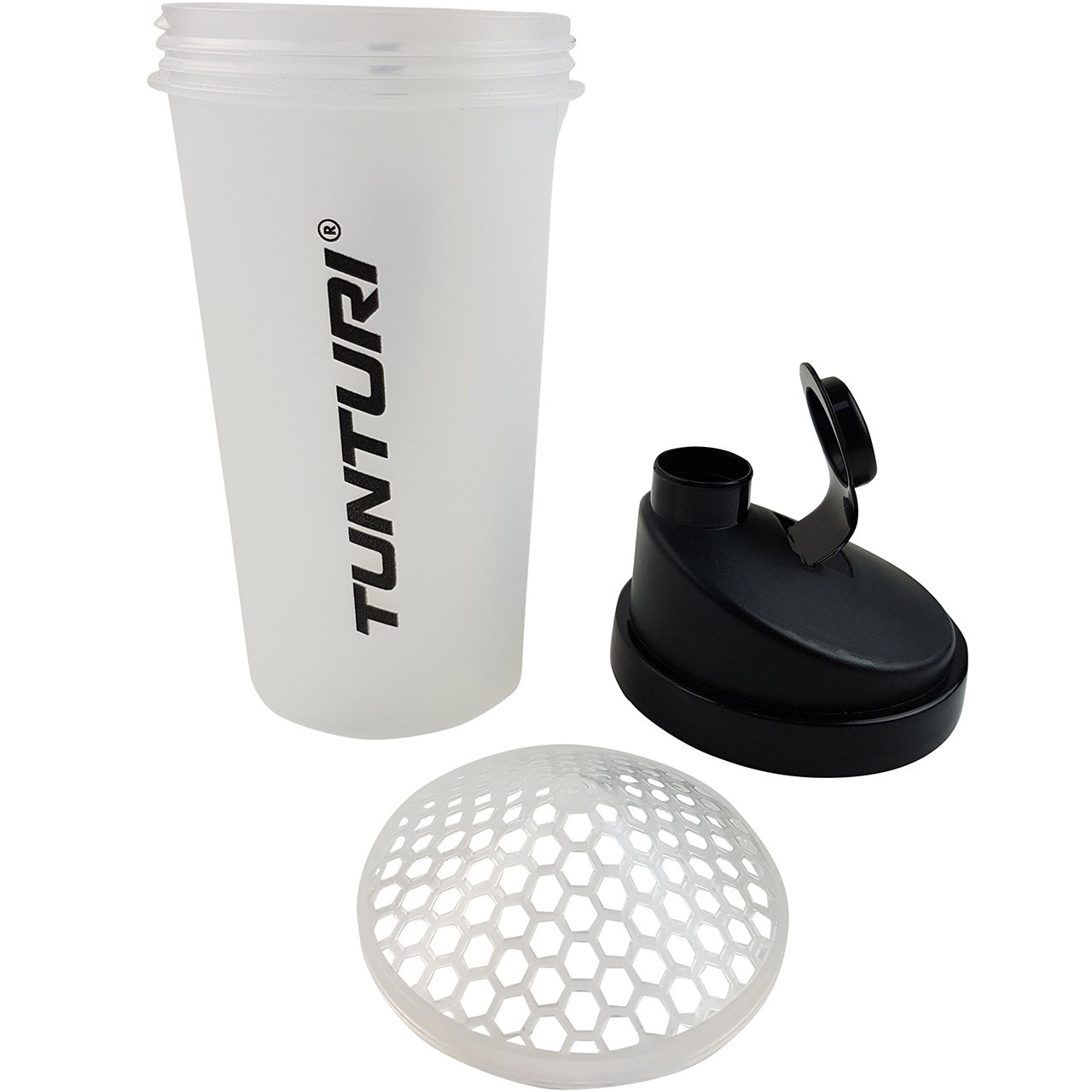
Advanced athletes can supplement their diet with protein powders or creatine. For vegetarians or vegans, protein shakes are often a convenient way to meet daily protein requirements.
Hydration as a Performance Factor
Adequate fluid intake – preferably water – supports performance, thermoregulation, and recovery.
Example Hypertrophy Training Plan for Full-Body Workouts
An effective full-body plan trains all major muscle groups in a single session. This creates strong growth stimuli in a short time and ensures no area is neglected. A sample session could look like this:
- Squats or Leg Press – 3 sets of 8–12 reps
- Dumbbell Bench Press – 3 sets of 8–12 reps
- Dumbbell or Cable Rows – 3 sets of 8–12 reps
- Shoulder Press – 2–3 sets of 8–12 reps
- Pull-Ups or Lat Pulldown – 2–3 sets of 8–12 reps
- Bicep Curls – 2 sets of 10–12 reps
- Tricep Extensions – 2 sets of 10–12 reps
- Ab Exercise or Plank – 2–3 rounds of 30–60 seconds
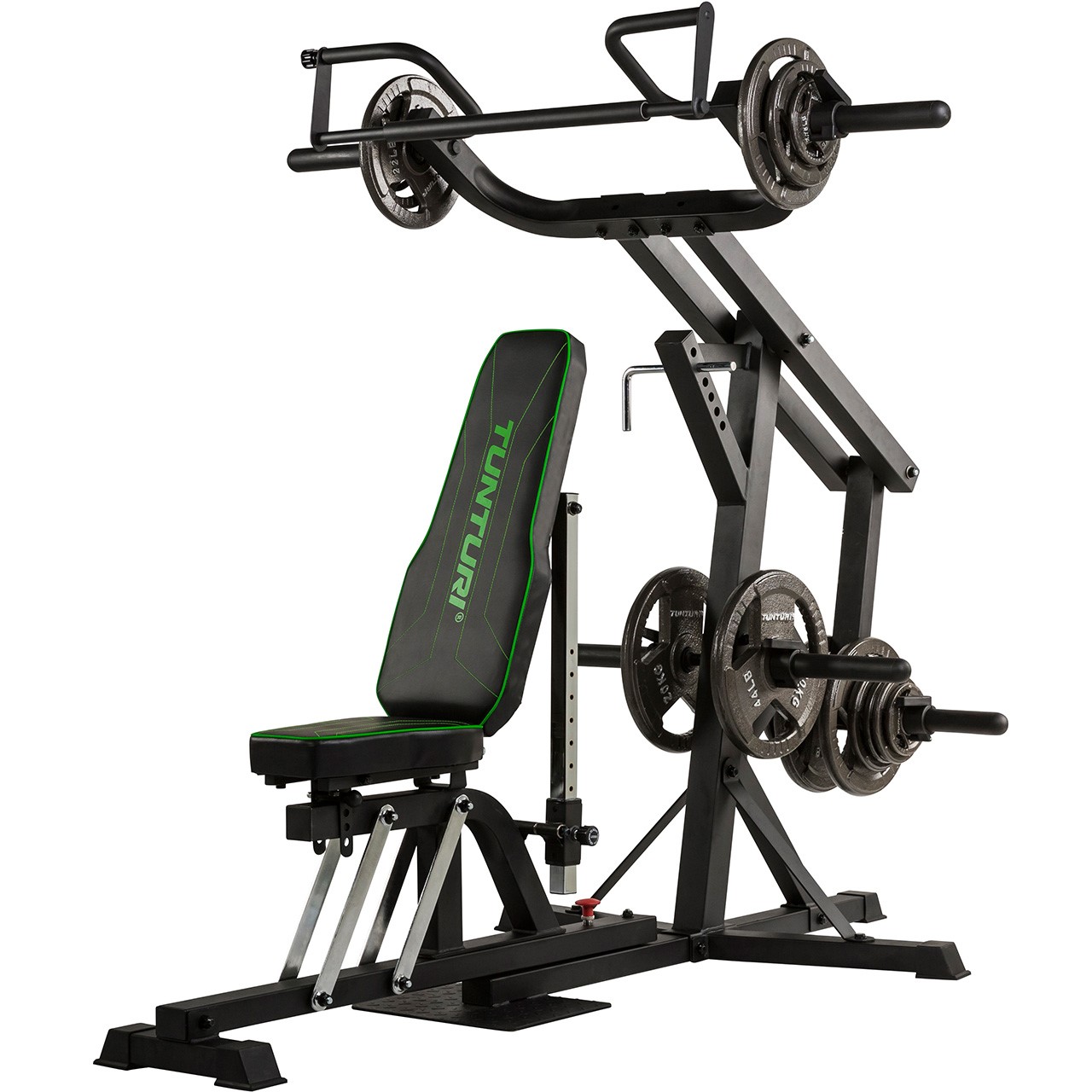
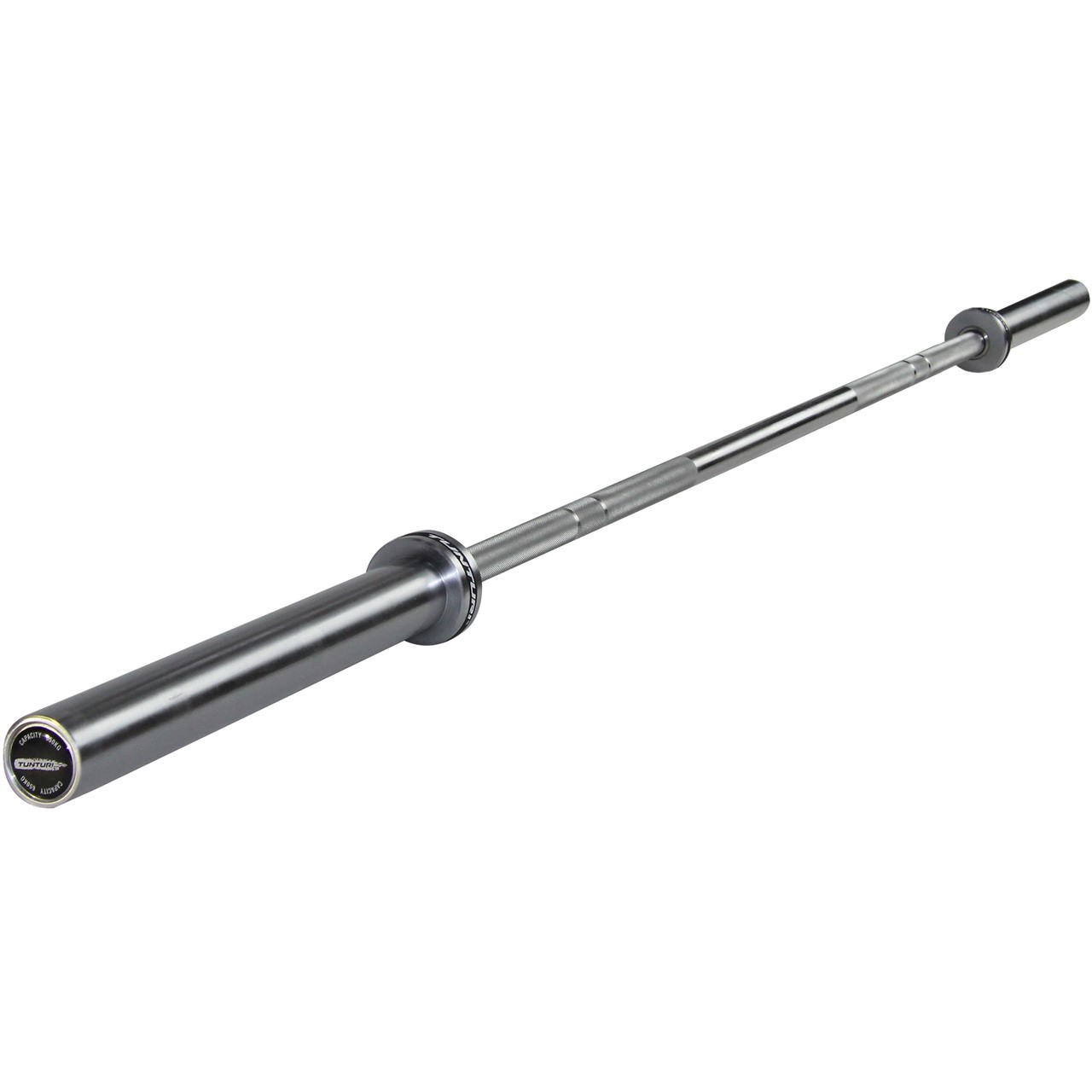
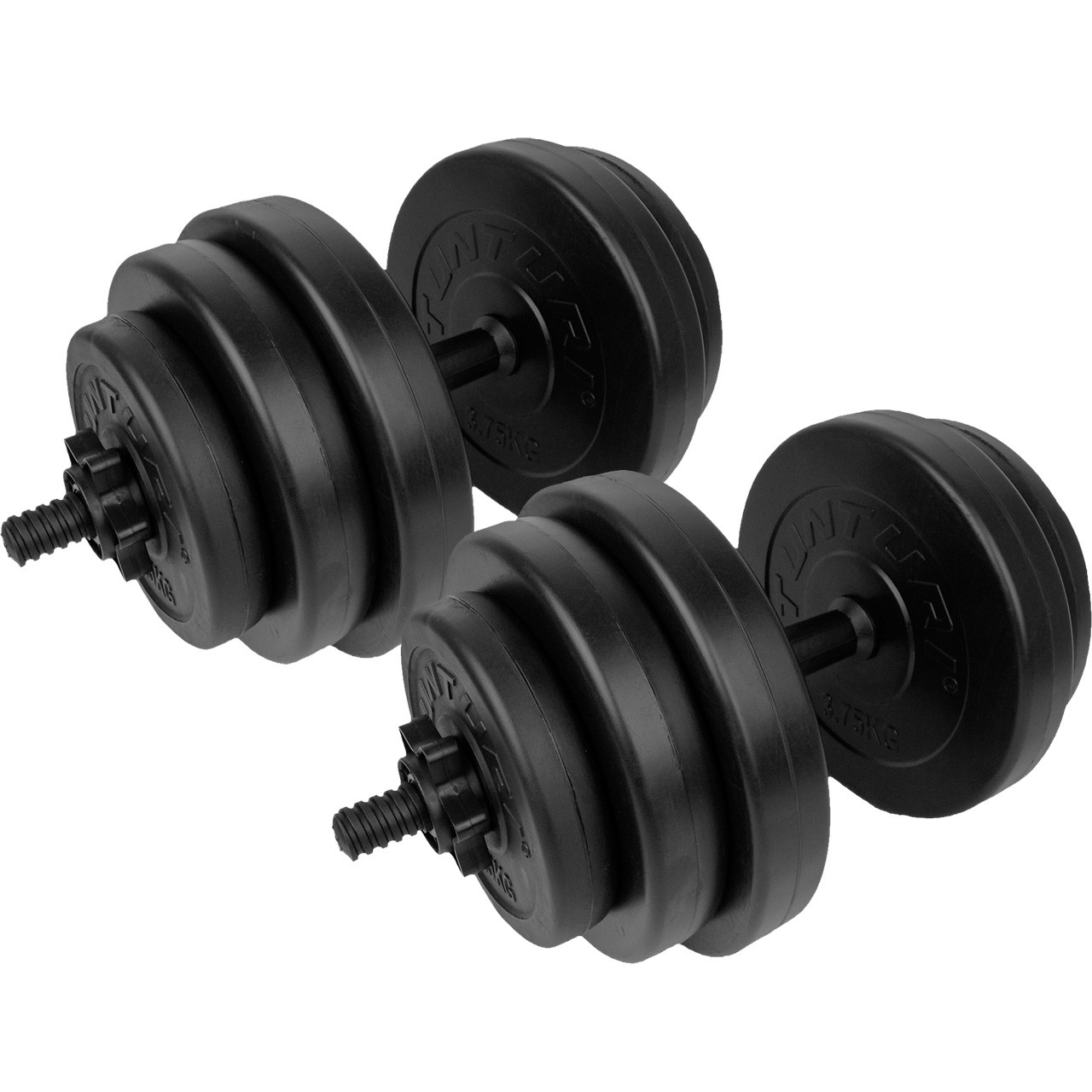
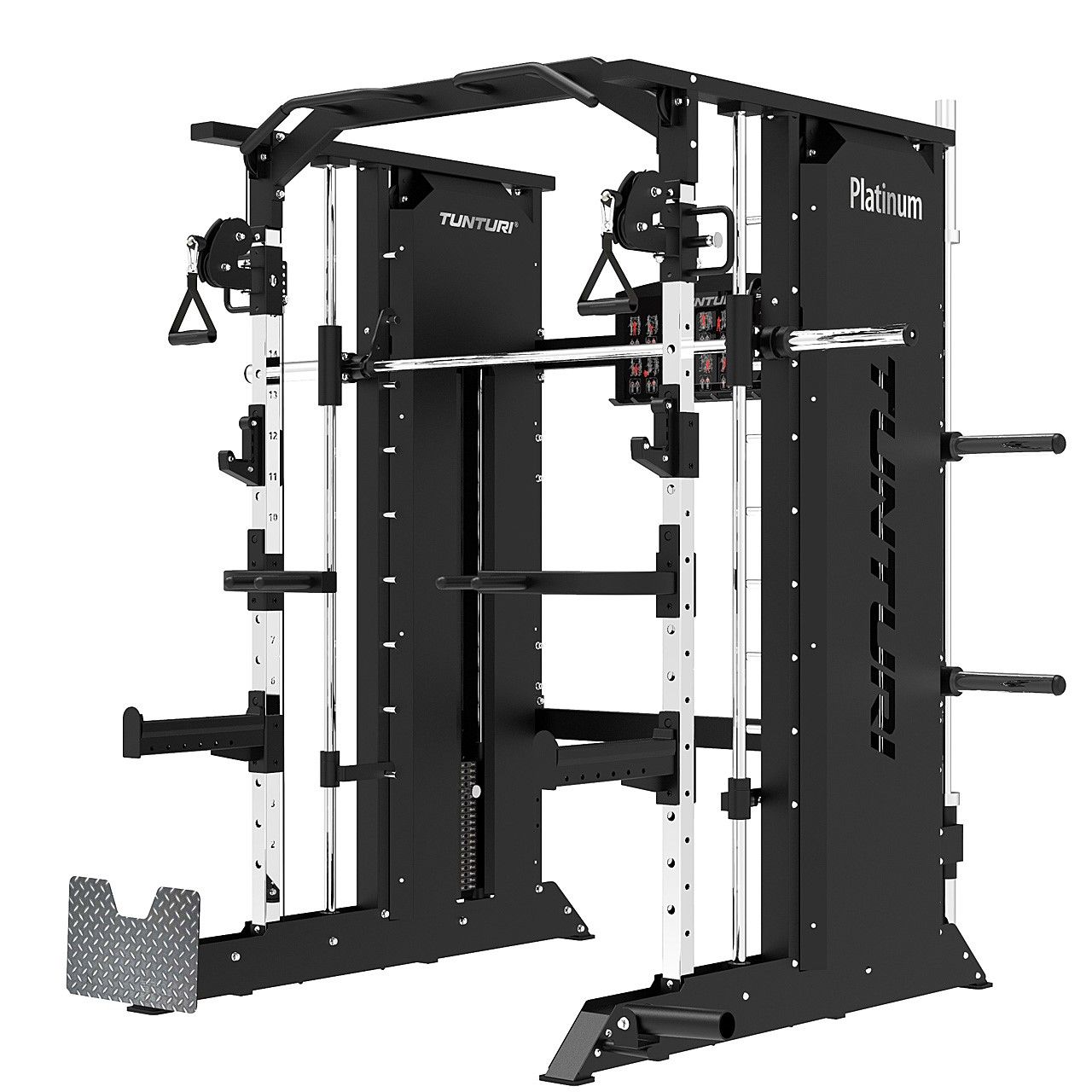
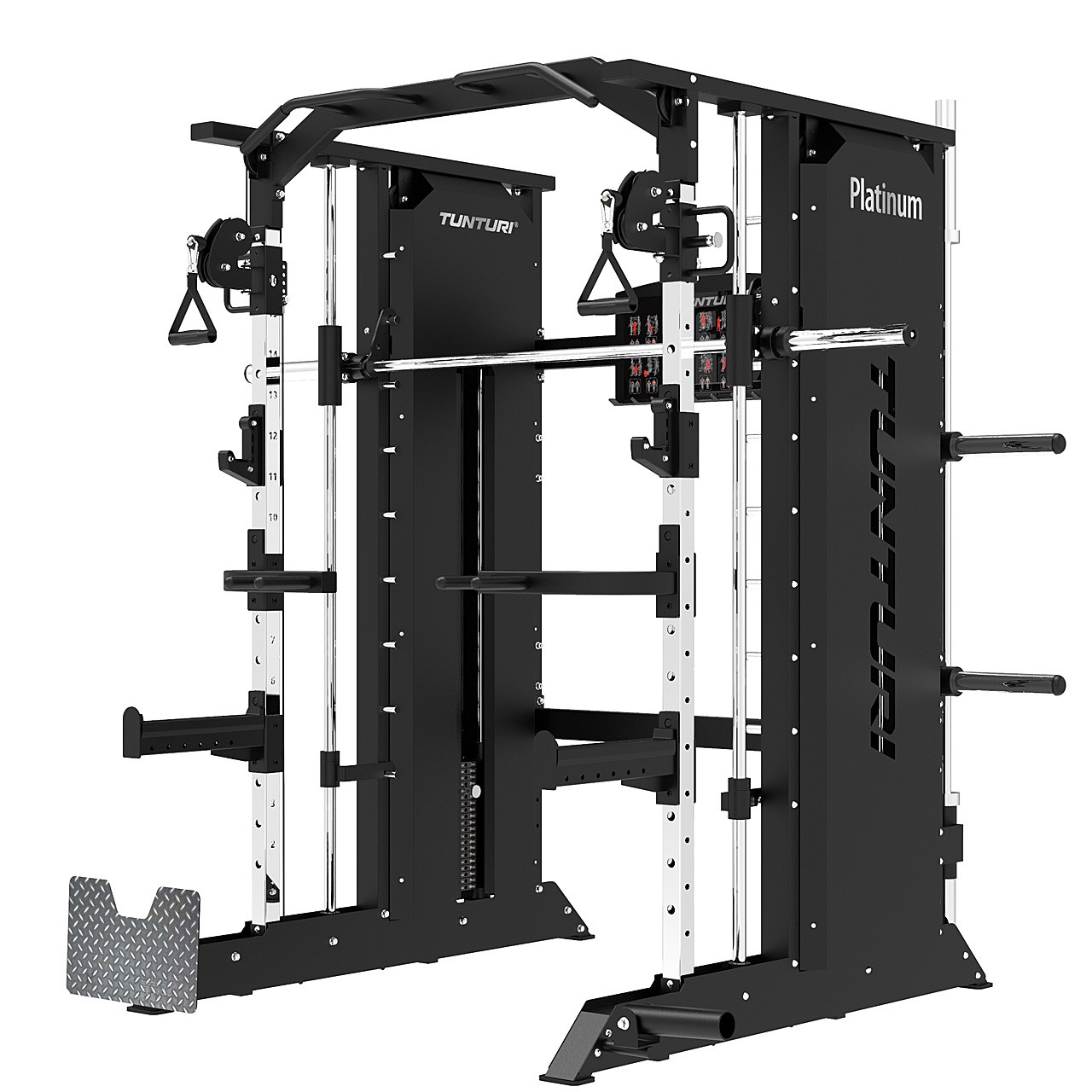
With two to three of these sessions per week (45–60 minutes each), you can build a solid foundation for muscle growth. It’s important to perform all exercises with proper technique and select weights that make the last repetitions challenging. This plan is ideal for beginners and intermediate trainees. Advanced athletes who need higher volume or a targeted focus on specific muscle groups can later switch to split routines, training different muscle groups on separate days. For home workouts, multigym machines are practical as they cover many of these exercises. Dumbbells, barbells, kettlebells, resistance bands, or a pull-up bar are also effective and allow flexible variations of most hypertrophy exercises.
Avoid Common Mistakes
Even with a good training plan, progress can stall if common mistakes are made. Here are three pitfalls to avoid:
Too Much Weight, Too Little Technique
One of the biggest mistakes is training with weights that are too heavy. Unsafe or sloppy movements put unnecessary strain on your joints and increase the risk of injury. It’s more effective to choose a weight that is challenging but still allows you to maintain proper technique through the last repetition.
Neglecting Recovery
Muscle growth occurs during recovery – not during the workout itself. Training intensely every day can prevent this process. Make sure to schedule one to two rest days per week so your body can complete repair and growth processes.

© Antonioguillem — stock.adobe.com
Impatience in Muscle Building
Many people expect visible changes after just a few weeks. In reality, hypertrophy is a long-term process that requires patience. Initial progress often appears only after several months. Consistency and discipline are more important than quick results.
Staying Committed Pays Off
The good news: muscle growth works – you just need the right combination of regular training, proper nutrition, and adequate recovery. Follow your training plan, progress step by step, and give your body time to adapt. After just a few weeks, you’ll start noticing initial changes: increased strength and improved endurance.
Combine your workouts with balanced nutrition and quality sleep – this creates the perfect foundation for visible results.
And the best part: training should be enjoyable! Each session is a break for yourself, a chance to recharge, clear your mind, and feel what your body is capable of. Try new exercises, celebrate small wins, and enjoy every bit of progress. Start today – you’ll be amazed at how your body develops. The benefits show not only in the mirror but also in your daily life: more energy and a better mood.