
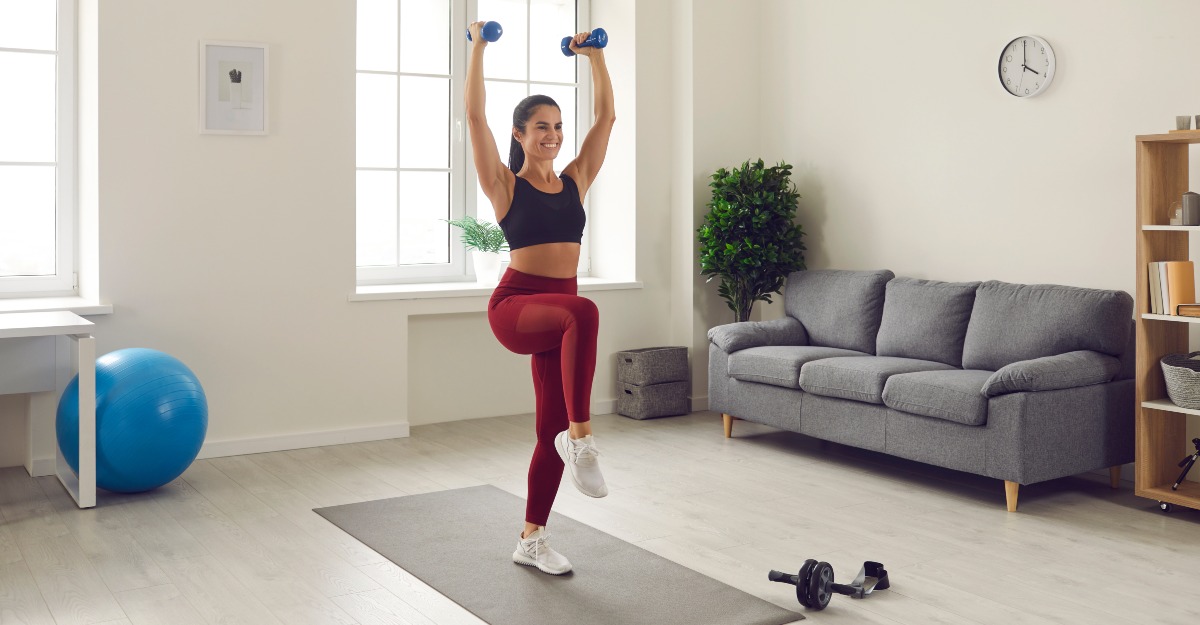
« The Most Popular Exercises and Practical Tips »
Spending hours on the treadmill or sweating it out on the cross trainer is a common part of many women’s workout routines. ardio workouts are great for burning calories and improving endurance. However, when it comes to visibly shaping and defining the body, cardio alone is often not enough. Strength training with dumbbells is not only the perfect complement to cardio workouts but also the key to achieving personal fitness and training goals. In our article, we introduce effective strength exercises for your workout plan and share practical tips to help you reach your fitness goals.
Why Strength and Dumbbell Training for Women Does More Than Cardio
Have you ever thought about making your workouts more versatile to add variety and fun to your routine? Many women rely on cardio workouts to burn calories and improve endurance – but strength training with dumbbells is not just an exciting addition; it can also help you reach your fitness goals faster.
With strength training, you can build muscle, define your figure, and improve your posture. It helps tone your body, boost your metabolism, and achieve long-term visible results. The best part: You decide whether you want to build muscle mass or focus on defining specific muscle groups. By adjusting the type and intensity of your training, you can tailor your workouts to your personal goals – always in line with what you want for your body.
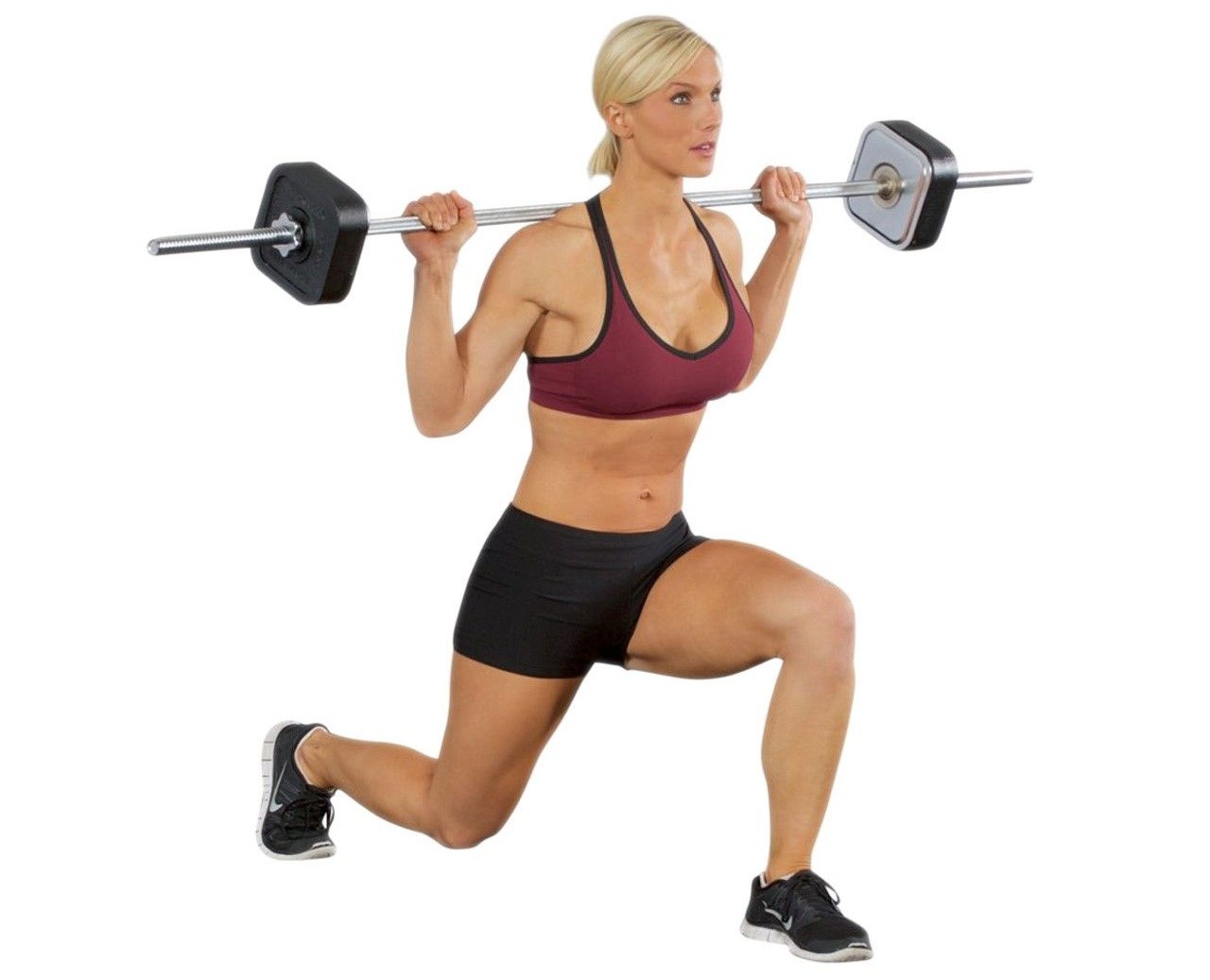
Which dumbbell exercises are best for women? In the next section, you’ll discover how targeted dumbbell exercises can effectively strengthen and sculpt your body.
The Best Dumbbell Exercises for Your Home Workout
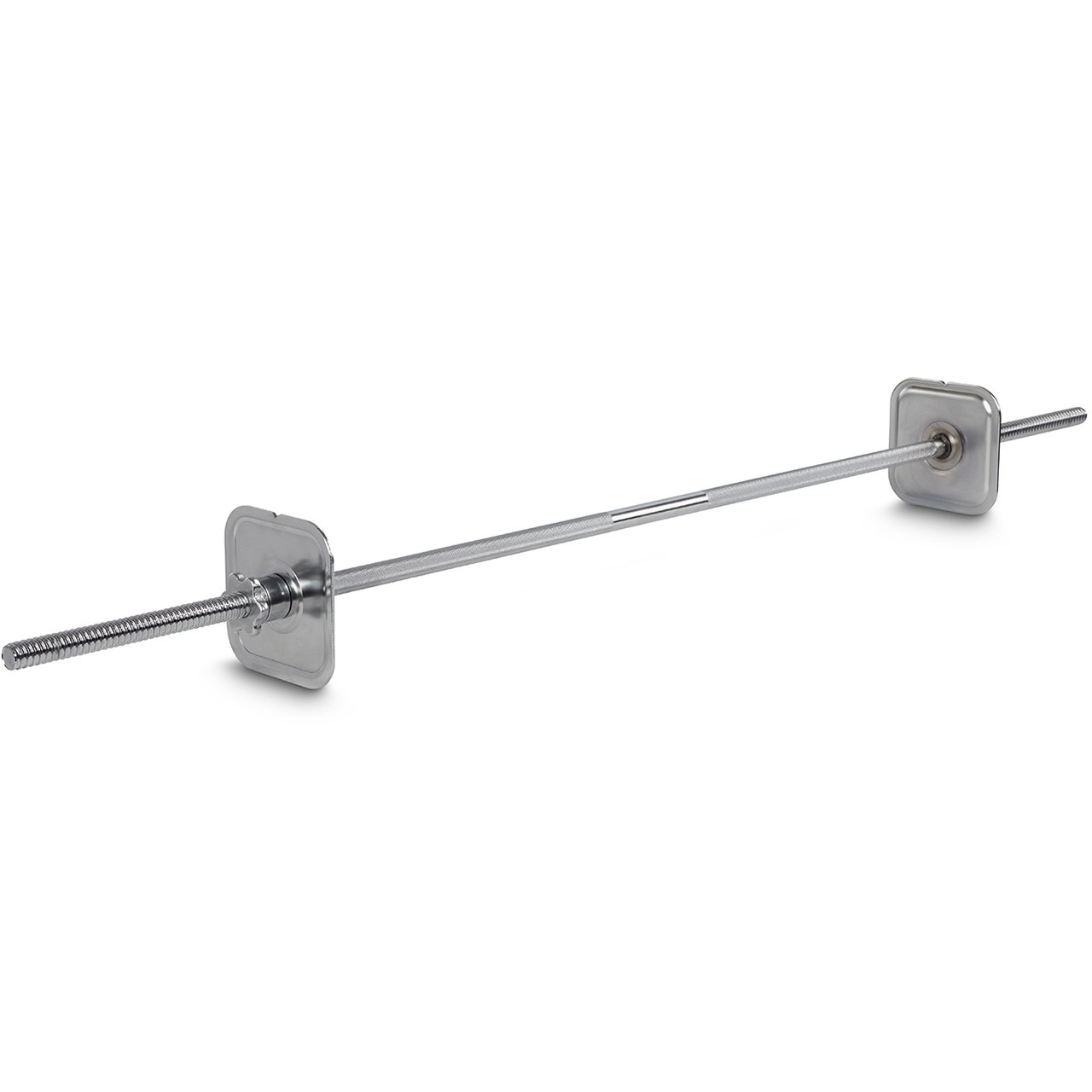
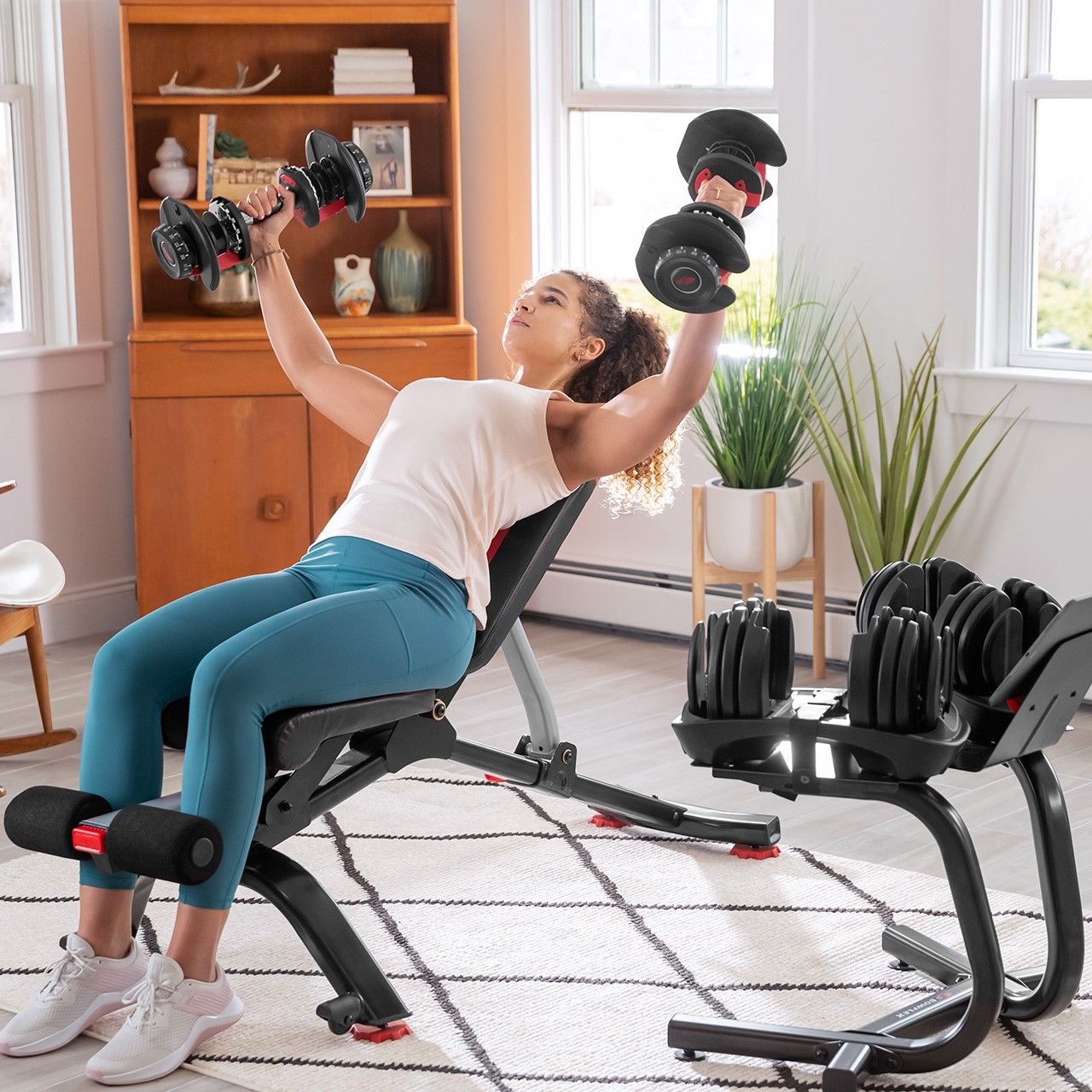
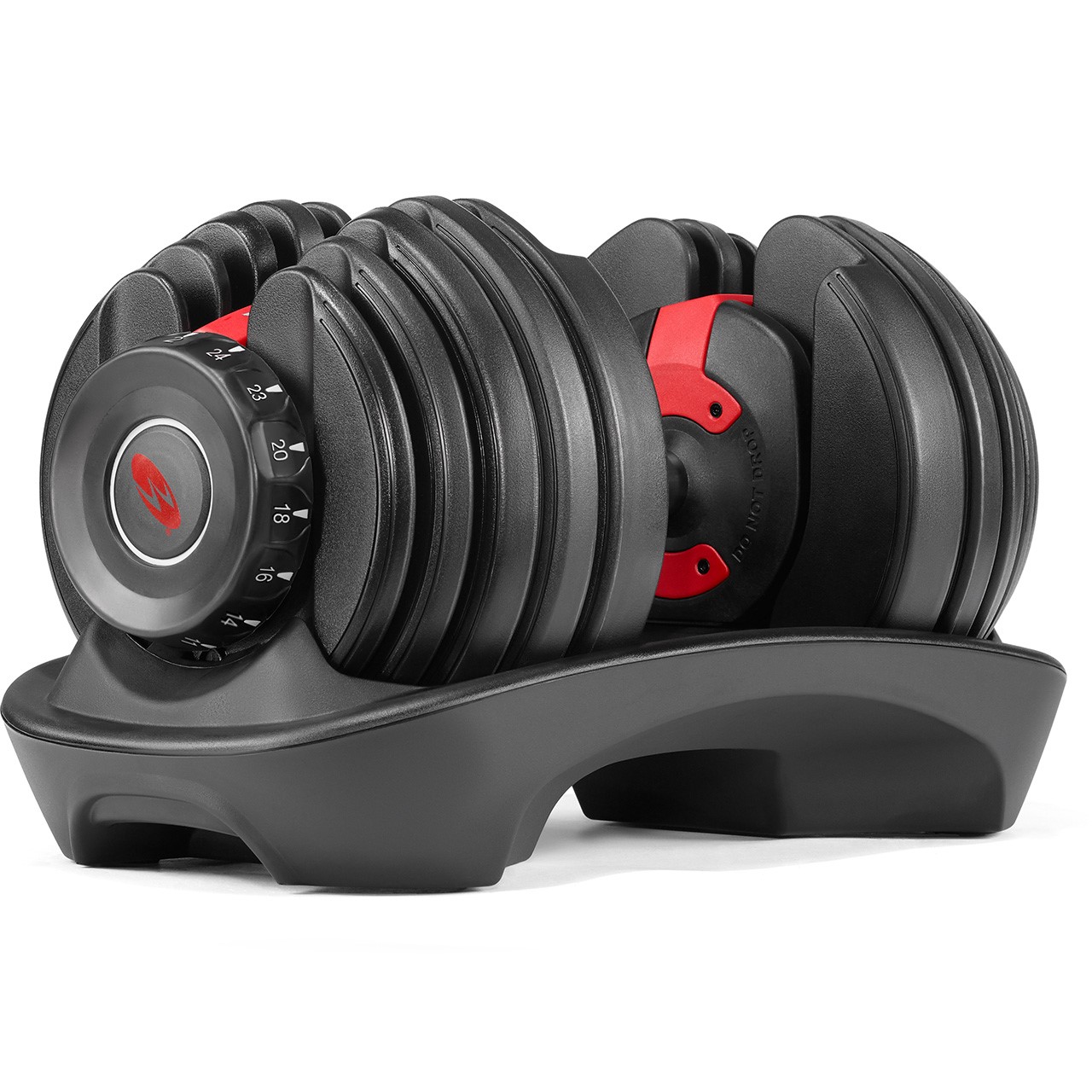
Dumbbell training at home is not only highly effective for improving your physique and fitness but also incredibly convenient. You don’t need much equipment—just a pair of dumbbells or a barbell with weight plates is enough to create an efficient workout tailored to your needs. Here are five exercises perfect for women who want to start strength training with dumbbells.
1. Deadlift – The Ultimate Full-Body Exercise for Back and Legs
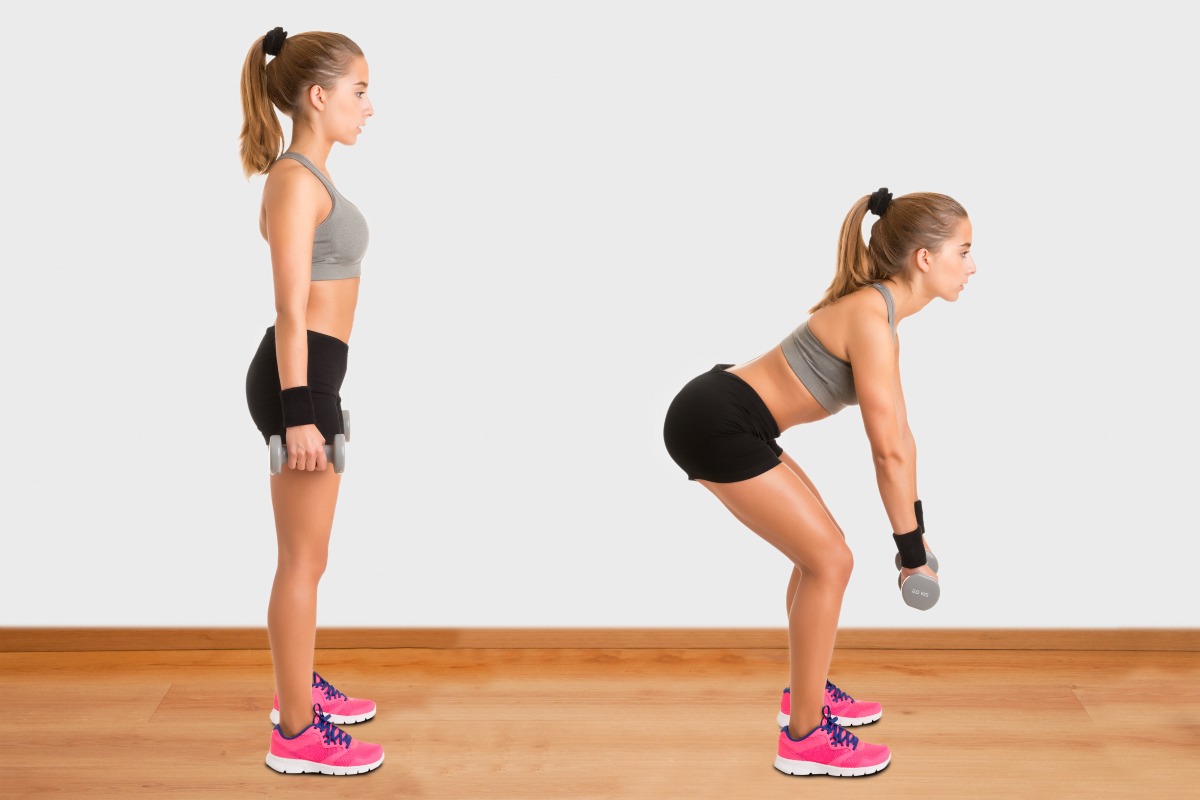
The deadlift is one of the most effective full-body exercises in strength training. It not only strengthens your back muscles but also targets your thighs and glutes. Whether you use dumbbells or a barbell depends on your preference: A barbell allows for heavier loads, making it ideal for progressive overload, while dumbbells offer more flexibility in movement.
How to do it:
Stand shoulder-width apart, grip the dumbbells or barbell firmly, and slowly straighten up while keeping the weights close to your body. At the top of the movement, you should feel the tension in your glutes. Lower the weight in a controlled manner while keeping your back straight.
The most common mistake in deadlifts is rounding the back, which can cause tension or even injuries. Always keep your back straight and stable—focus on generating power from your legs and glutes, not from your lower back.
© ruigsantos — stock.adobe.com
2. Lunges – For Toned Legs and Strong Glutes
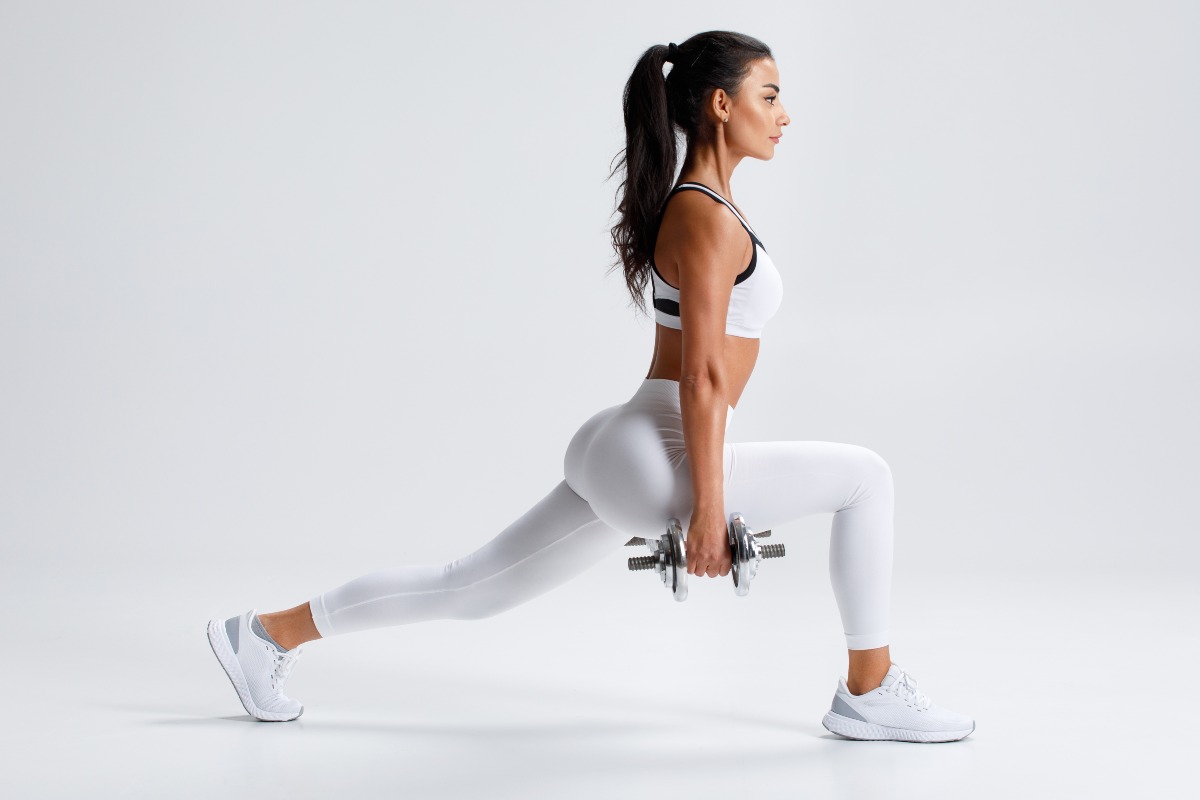
If you want to sculpt your thighs and glutes, lunges are an excellent choice. This exercise is best performed with dumbbells, as they are easy to hold and do not affect your balance.
How to do it:
Hold a dumbbell in each hand and take a large step forward until your back knee nearly touches the floor. Ensure that your front knee remains stable and does not extend past your toes. The main muscle engagement is in the thighs and glutes, especially when pushing yourself back up to the starting position.
© nikolas_jkd — stock.adoeb.com
3. Squats – The Foundation of Strength and Stability
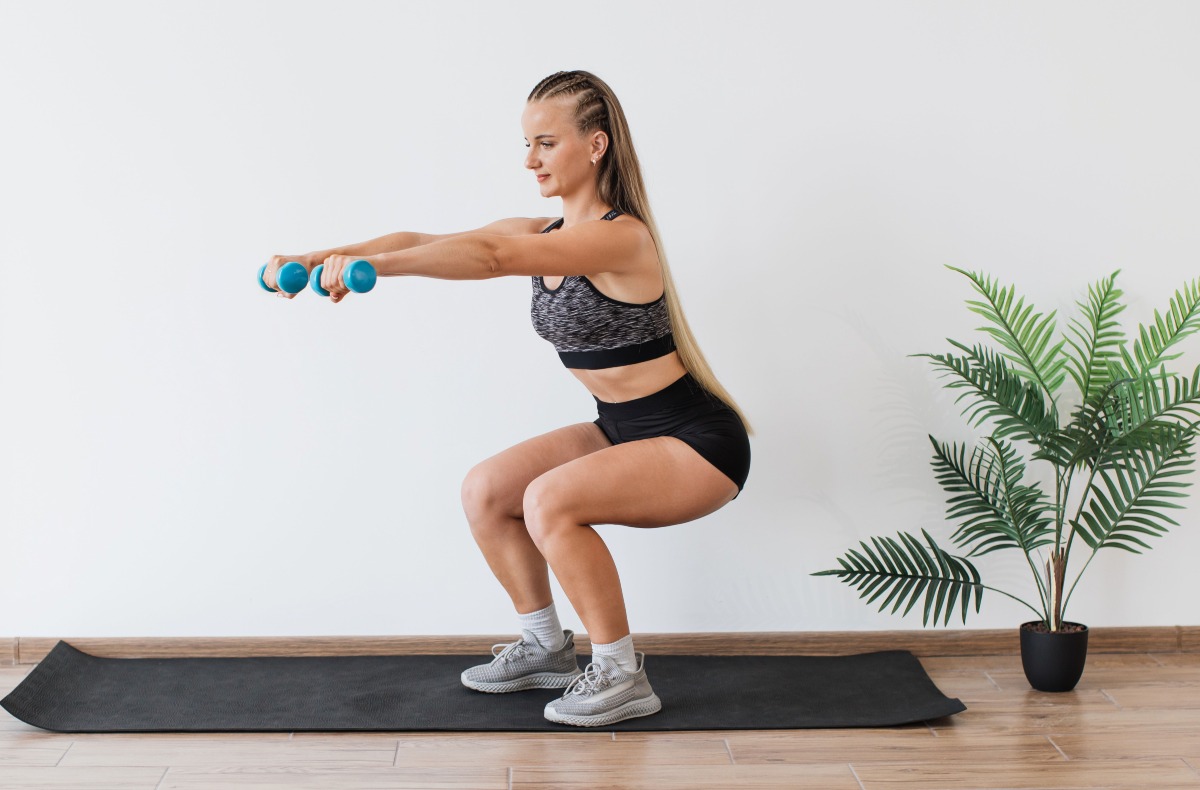
Squats are a true classic and essential for women and men who want strong glutes and well-defined thighs. You can perform them with a barbell resting on your upper back or by holding dumbbells at your sides. Both variations are effective—barbells allow for heavier loads, while dumbbells offer easier handling.
How to do it:
Push your hips back and lower yourself into a squat until your thighs are parallel to the floor. Keep your back straight and prevent your knees from caving inward. As you push back up through your heels, feel the activation in your thighs and glutes. Avoid shallow squats, as they reduce muscle engagement. A deep squat position is key to maximizing the exercise’s benefits.
© sofiko14 — stock.adobe.com
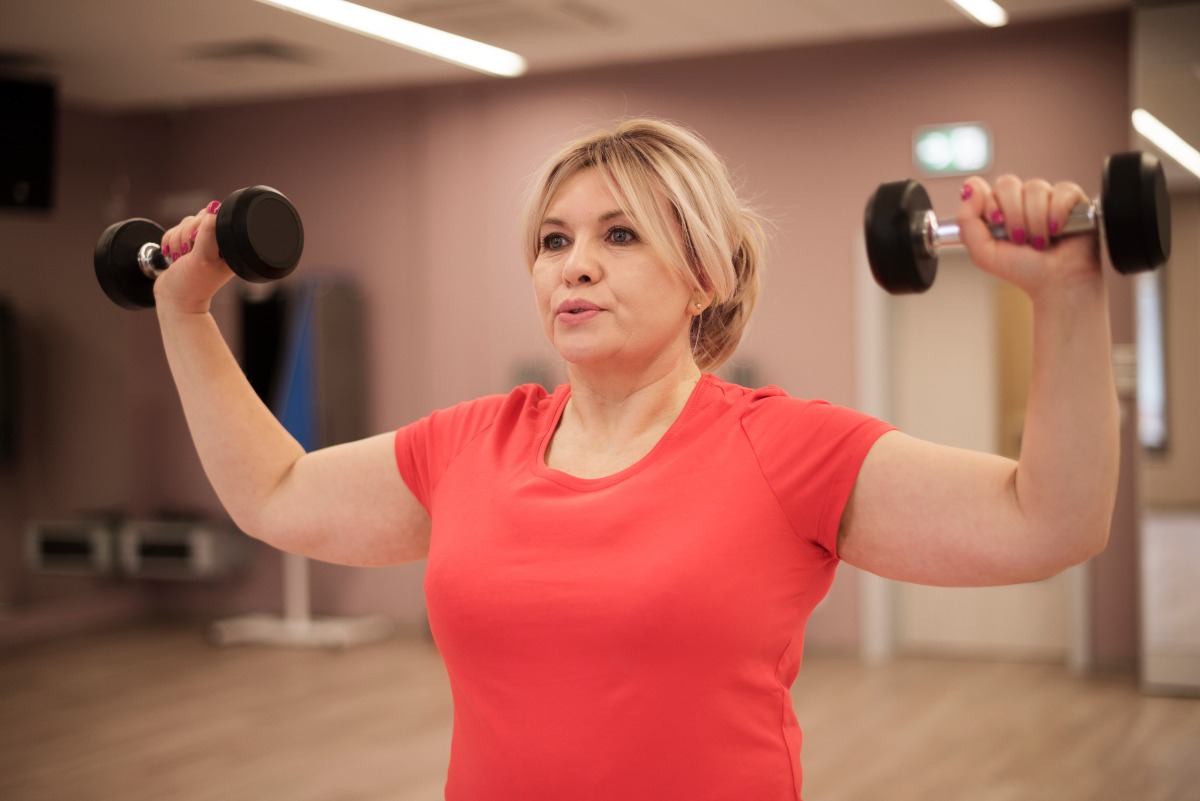
4. Overhead Press – For an Upright Posture
Dumbbells are perfect for this exercise as they allow greater freedom of movement and help distribute the load evenly between both shoulders. This makes the overhead press especially suitable for beginners.
How to do it:
Hold the dumbbells at shoulder height with your palms facing forward. Press the weights upward in a controlled motion until your arms are nearly fully extended, then slowly lower them back down. This exercise strengthens your shoulders and upper back while engaging your core for stability.
A common mistake is arching the lower back during the upward movement. To prevent this, engage your core muscles and keep your torso stable. Feel how your shoulders and upper back activate as you perform the exercise with control.
© gpointstudio — stock.adobe.com
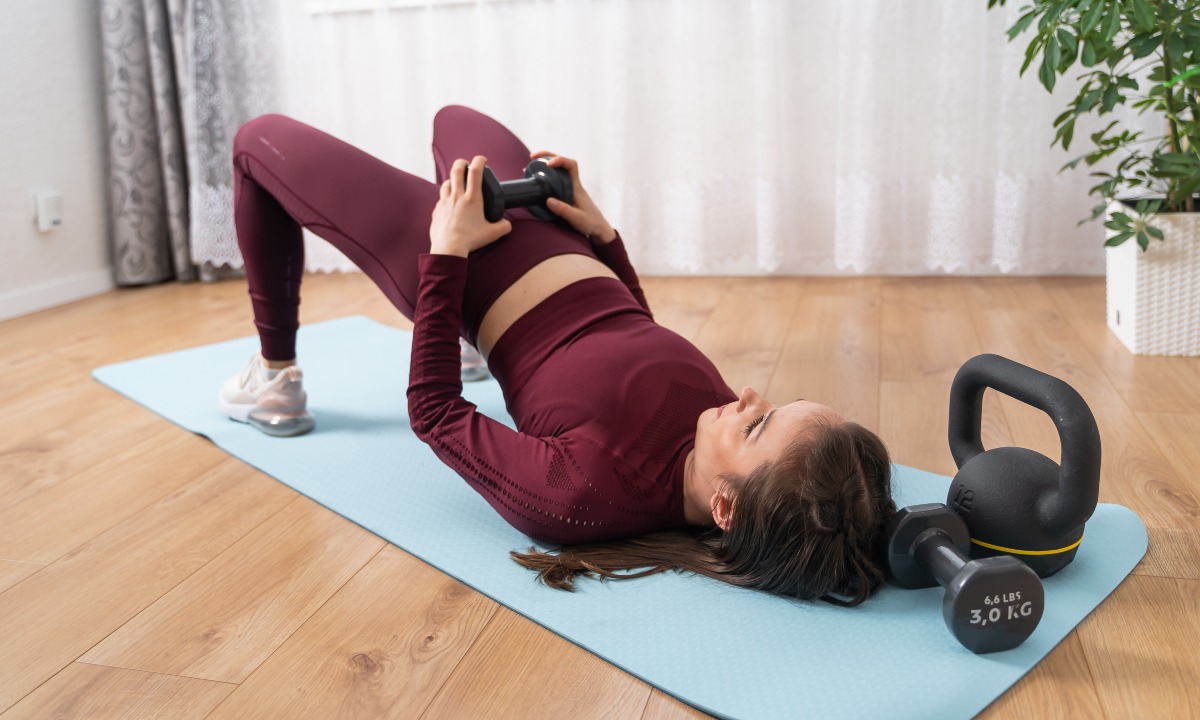
5. Glute Bridge – For a Toned and Strong Glutes
The glute bridge is a perfect exercise to specifically target the glute muscles while also strengthening the lower back. To add resistance and increase intensity, place a dumbbell across your hips.
How to do it:
Lie on your back with your feet hip-width apart and securely place the dumbbell on your hips. Push your hips upward until your body forms a straight line, actively squeezing your glutes at the top. Hold the position for one to two seconds before slowly lowering back down. A common mistake is not fully extending the hips. To maximize muscle engagement, focus on executing the movement deliberately and maintaining tension in your glutes until the highest point of the lift.
© Patrik — stock.adobe.com
How Often and with What Weight Should You Train?
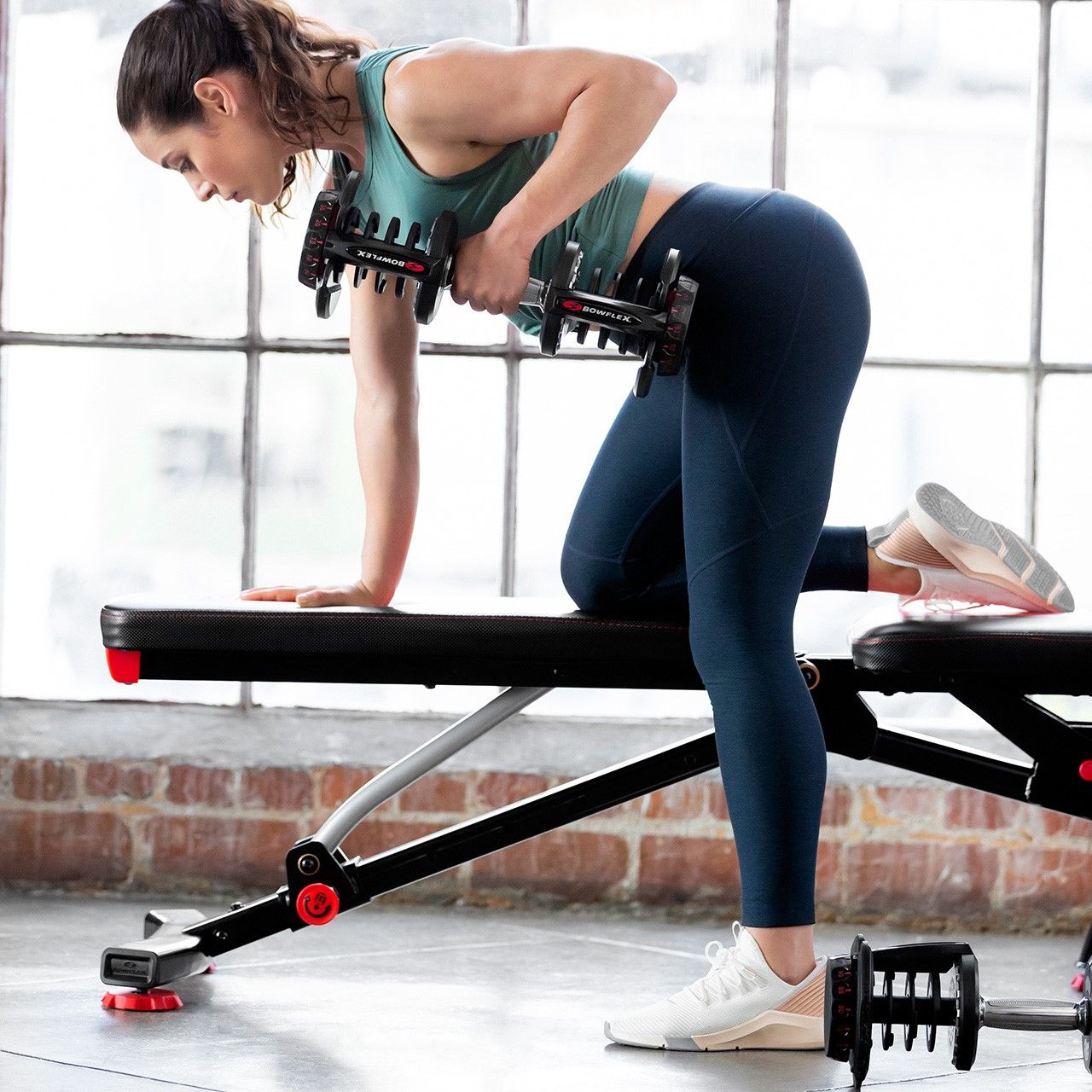
If you’re just starting with weight training for women, finding the right balance between frequency and intensity is crucial. A moderate approach helps prevent overtraining and allows your body to gradually adapt to increased resistance. For beginners, training two to three times per week is ideal. This frequency provides enough time for recovery while allowing your muscles to grow stronger. Aim for 30 to 45 minutes per session, focusing on full-body workouts that target all major muscle groups.
As you progress, you can increase training frequency or switch to a split routine, where different muscle groups are trained on separate days.
Choosing the Right Weight: The 12–10‑8 Method for Women New to Weight Training
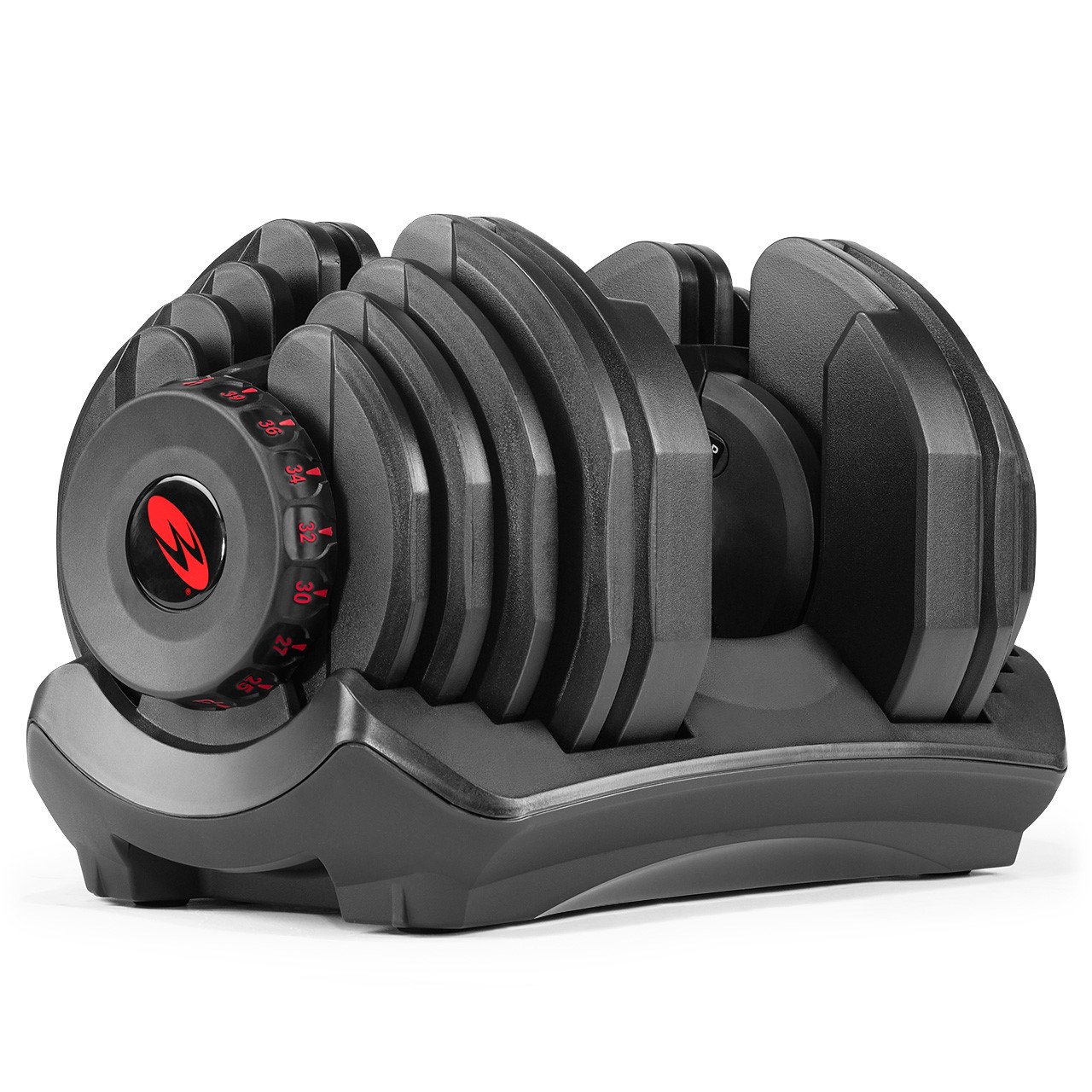
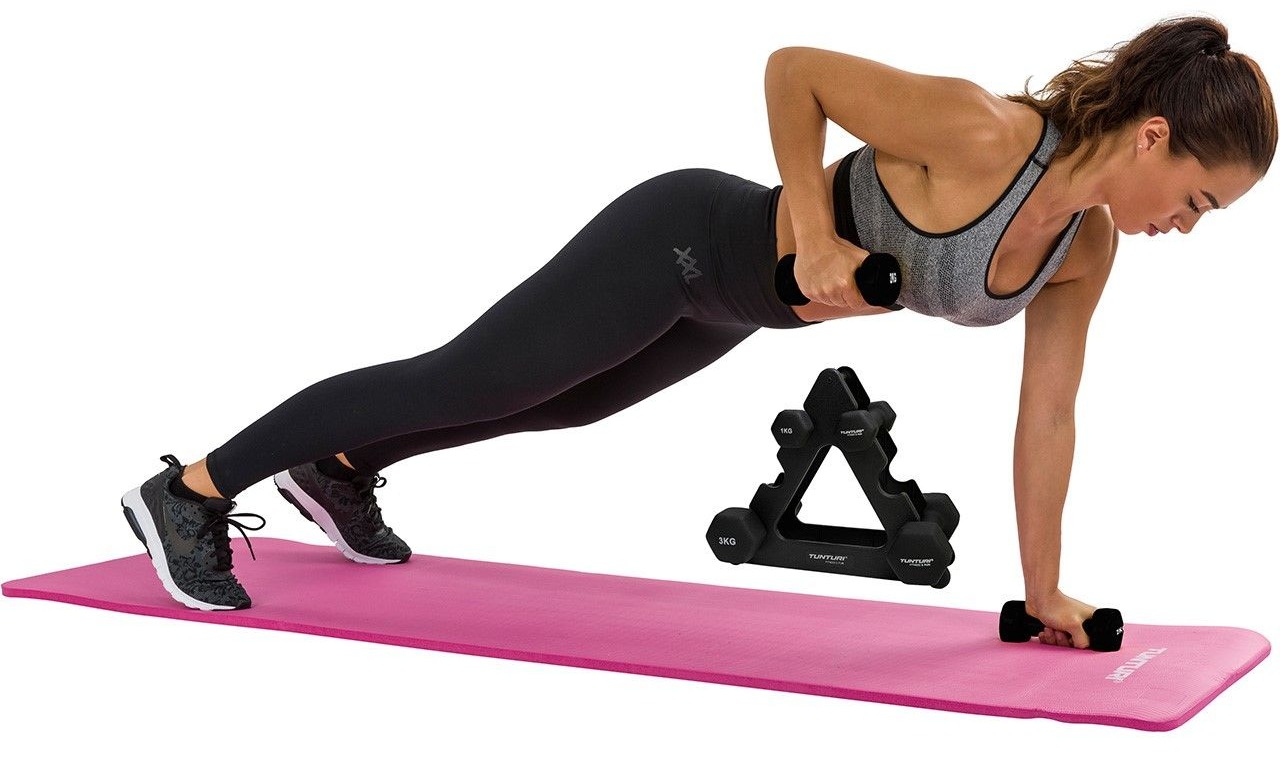
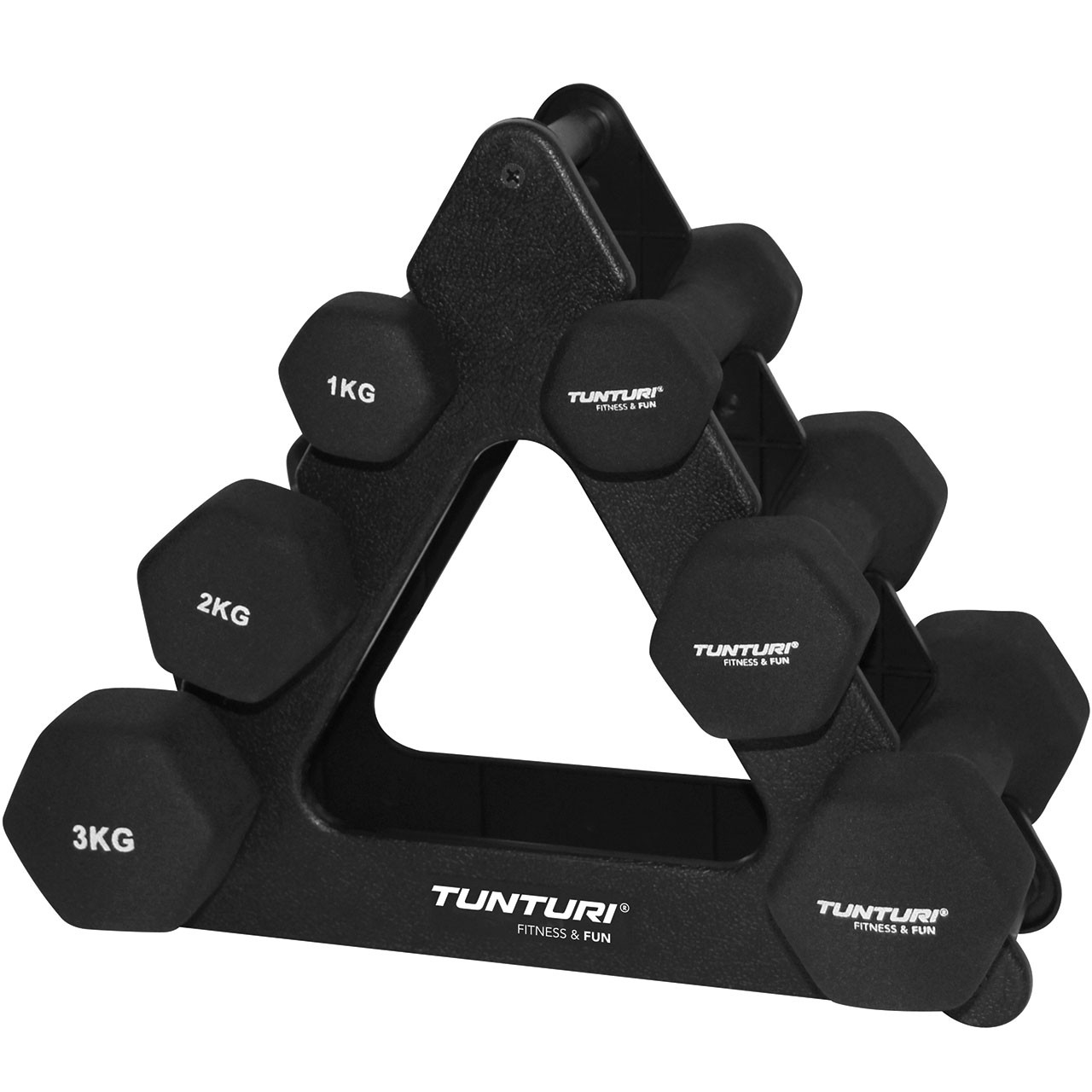
As a beginner, selecting a weight that challenges your muscles without compromising proper form is essential. A simple way to determine the right weight is the 12–10‑8 method.
How It Works: Choose a weight that allows you to perform 12 clean and controlled repetitions. Then, slightly increase the weight and aim for 10 reps. For the third round, increase the weight again and complete 8 reps.
Why This Method Is Effective: It enables you to start with moderate weights and gradually work your way up to heavier loads while maintaining proper technique. Additionally, you’ll quickly learn how your body responds to different levels of resistance, allowing you to adjust your training accordingly.
Tip: The last reps of each round should be challenging but not so heavy that your form suffers. If you can easily complete 8 reps, consider increasing the weight slightly in your next session.
Recovery: Give Your Body Time to Recover
Recovery is crucial for muscle growth. Muscles do not grow during training, but during rest periods. Therefore, plan at least 48 hours of rest between two workouts for the same muscle group.
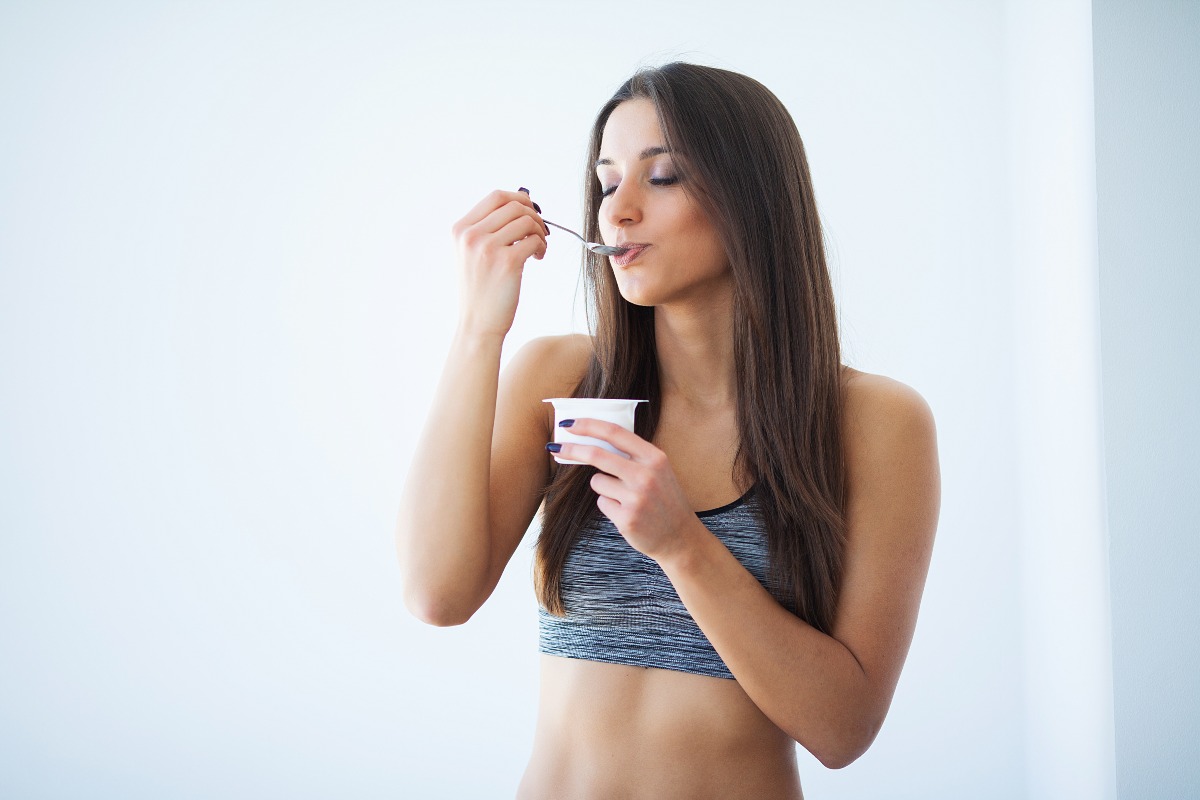
In addition to rest days, sleep is also an important factor. During deep sleep phases, the body releases the hormone somatotropin, which supports muscle growth. Proper nutrition is equally important: make sure you eat healthily to promote muscle recovery.
© Maksymiv Iurii — stock.adobe.com
With the 12–10‑8 method, an appropriate training frequency, and sufficient recovery, you have a solid foundation to successfully start weight training. In the next section, you will learn more about the benefits of strength training, specifically for women, and how it can sustainably improve your health and well-being.
Strength Through Fun in Training
Dumbell training for women is an effective way to strengthen your body, define your figure, and improve your posture. Strength training not only provides visible results but also brings more fun and motivation to help you reach your fitness goals. Whether you’re a beginner or looking to expand your training, we hope you enjoy the exercises presented and wish you much success in achieving your fitness goals.