
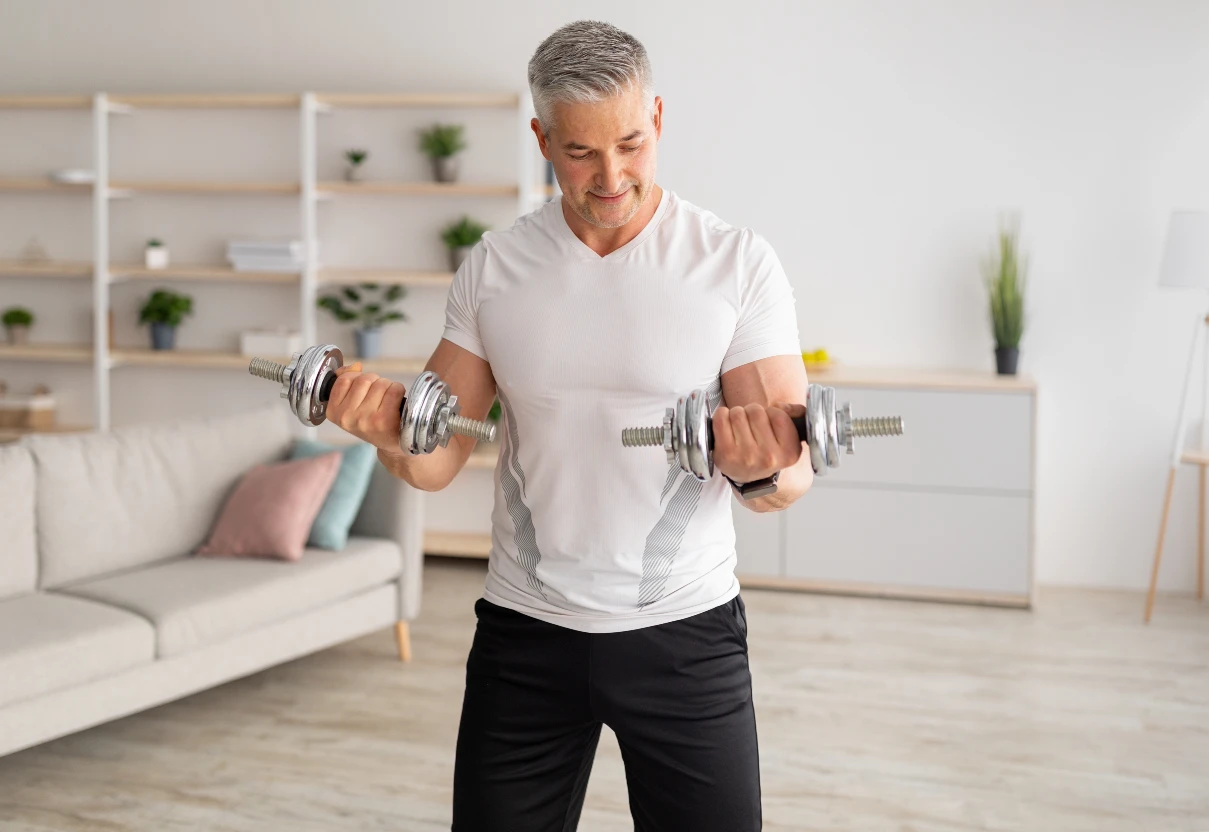
Preventing osteoporosis means slowing age-related bone loss and maintaining or increasing bone density. The most effective measures are regular strength training with progressive overload and a bone-healthy lifestyle. Which exercises are effective, what role nutrition plays, and what is particularly important during menopause – here are the key answers at a glance.
What Is Osteoporosis and How Does Bone Loss Develop?
Osteoporosis is a skeletal disease in which bones lose density and strength. They become more porous, more fragile, and therefore break more easily. It is commonly referred to as bone loss. Typical fractures occur in the vertebrae, wrist, and femoral neck, often as a result of minor falls or even everyday movements.
Bones are constantly being remodeled throughout life. Specialized cells break down old bone tissue, while others build new bone. Up to around the age of 30, bone formation predominates. During this phase, the body reaches its maximum bone mass, known in medical terminology as “Peak Bone Mass.” After that, the balance gradually shifts. Each year, slightly more bone tissue is broken down than rebuilt.
According to the Swiss Association Against Osteoporosis (SVGO/ASCO), approximately one in three women and one in five men over the age of 50 in Switzerland are affected by osteoporosis. (1) Age-related bone loss does not occur overnight; it develops gradually and often goes unnoticed. It usually causes no symptoms. Pain typically appears only when bone density has declined significantly or a fracture occurs. Specialists refer to the preliminary stage as osteopenia when bone density values fall below the normal range. If they continue to decline, the diagnosis becomes osteoporosis.

© Lumos sp – stock.adobe.com
Factors That Increase the Risk of Osteoporosis
- Lack of physical activity is one of the most important risk factors. Without mechanical stimulation, very little new bone mass can be formed.
- Insufficient intake of calcium and vitamin D3. Vitamin D is essential for the body to absorb calcium.
- Regular or frequent smoking.
- Excessive alcohol consumption.
- Hormonal changes; during menopause, declining estrogen levels further accelerate bone loss.
Lifestyle factors such as physical activity, nutrition, avoiding smoking, and adequate sun exposure influence between 20 and 40 percent of peak bone density according to a systematic review by the National Osteoporosis Foundation. (2) This is exactly where osteoporosis prevention begins.
How Strength Training Can Increase Bone Density
Bones respond to mechanical loading. Regularly lifting weights sends a signal to the skeleton. In response, bones store more minerals and become denser. This principle is described by Harold Frost’s Mechanostat Theory. Without stimulation, bone tissue switches into maintenance mode. In other words, bones need training just as much as muscles do.
The key factor is the amount of load applied. Walking or gentle yoga is not always enough to increase bone density and prevent osteoporosis. Real effort is required. Muscles must pull, and bones must sense that they are being challenged. Exercises such as squats, deadlifts, and overhead presses provide exactly this type of stimulus.
There is also a second benefit. Stronger muscles stabilize the joints, improve balance, and reduce the risk of falls. Strength training therefore works on two levels: it builds muscle mass and strengthens bones.
Which Exercises Strengthen Bones?
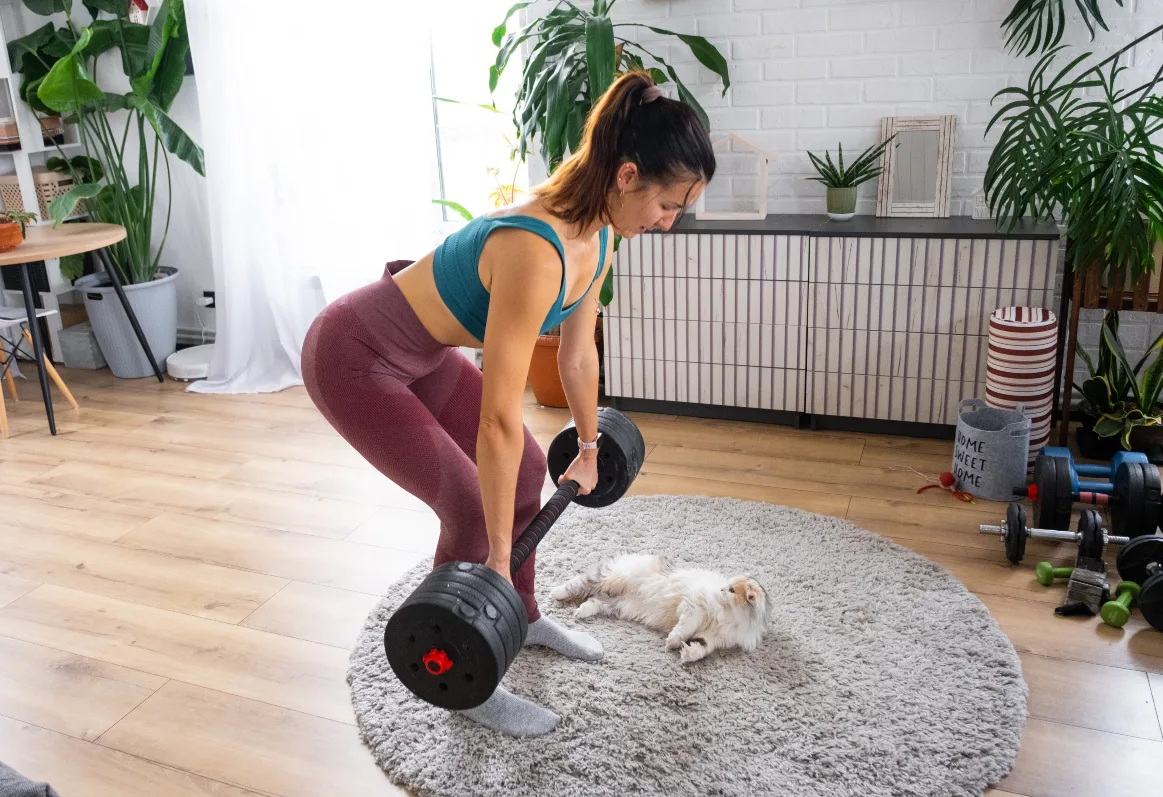
To prevent osteoporosis, the primary focus should be on resistance training that loads the entire body. In practice, this means following a full-body training program built around fundamental compound exercises. Squats, deadlifts, bench presses, overhead presses, and rowing exercises engage multiple muscle groups simultaneously and transfer significant loads to critical skeletal areas such as the hips and spine.
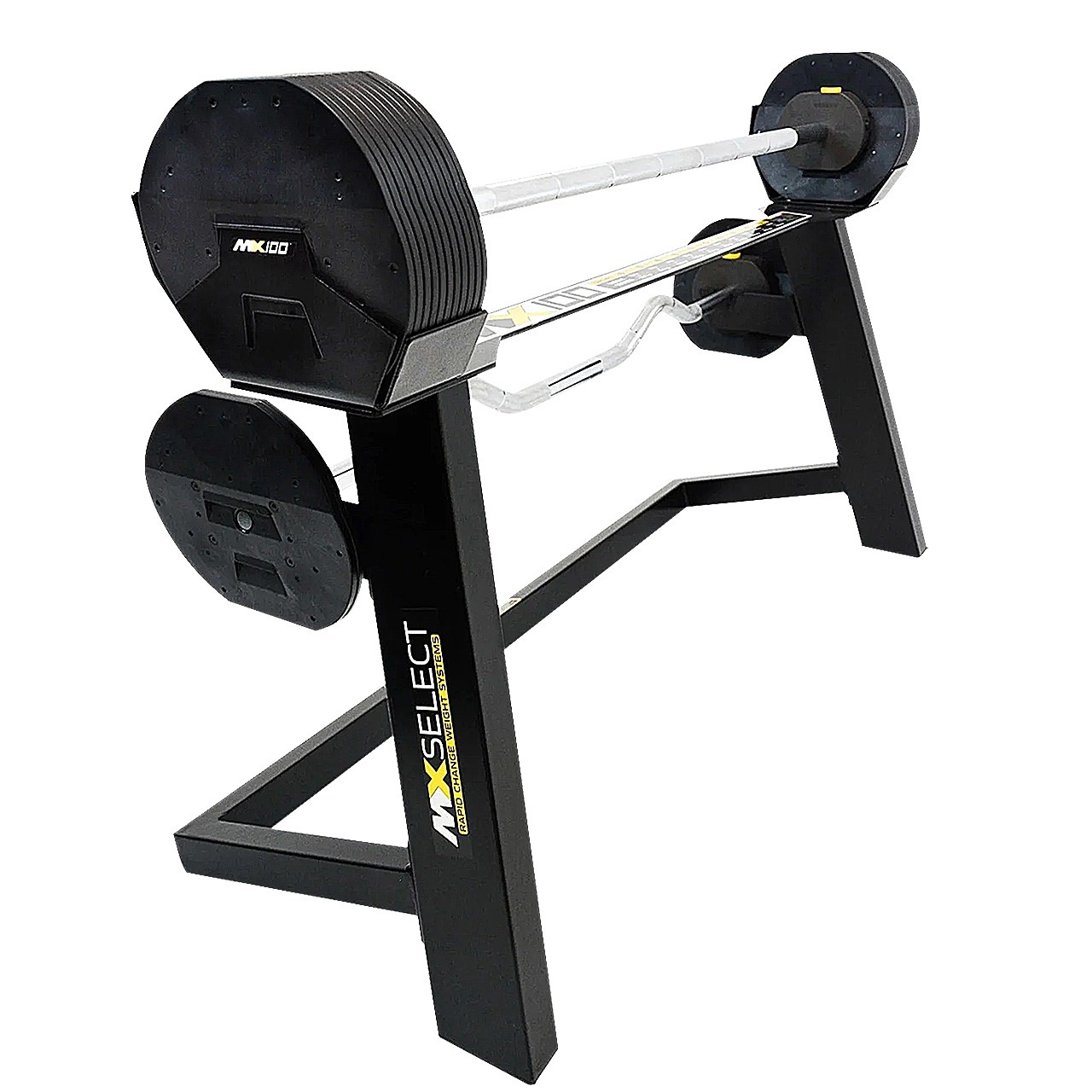
An Olympic barbell provides the most solid foundation for this type of training because weight can be increased progressively in small increments.
© Ольга Симонова – stock.adobe.com
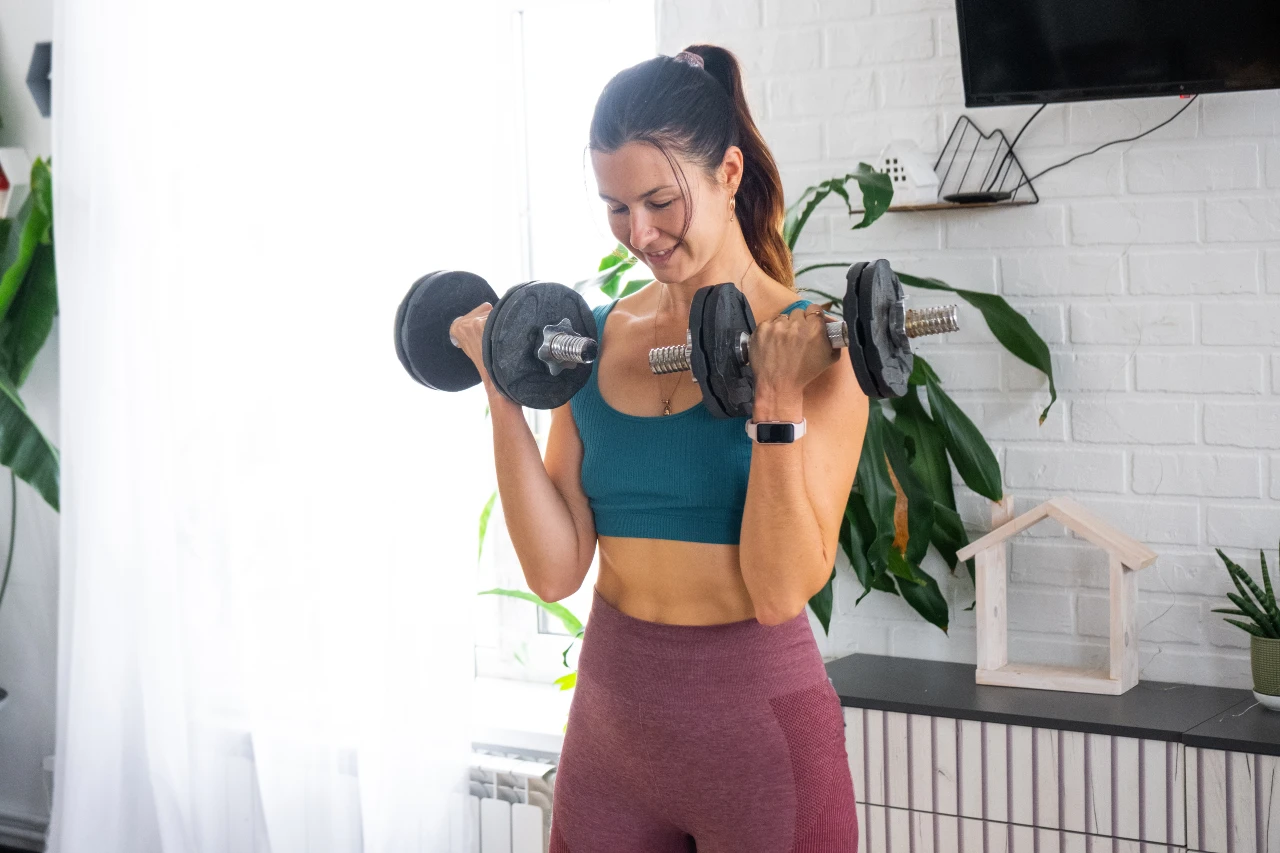
A sturdy weight bench expands your exercise options to include bench presses and seated overhead presses. Dumbbells are ideal for isolated movements and also help improve balance and coordination.
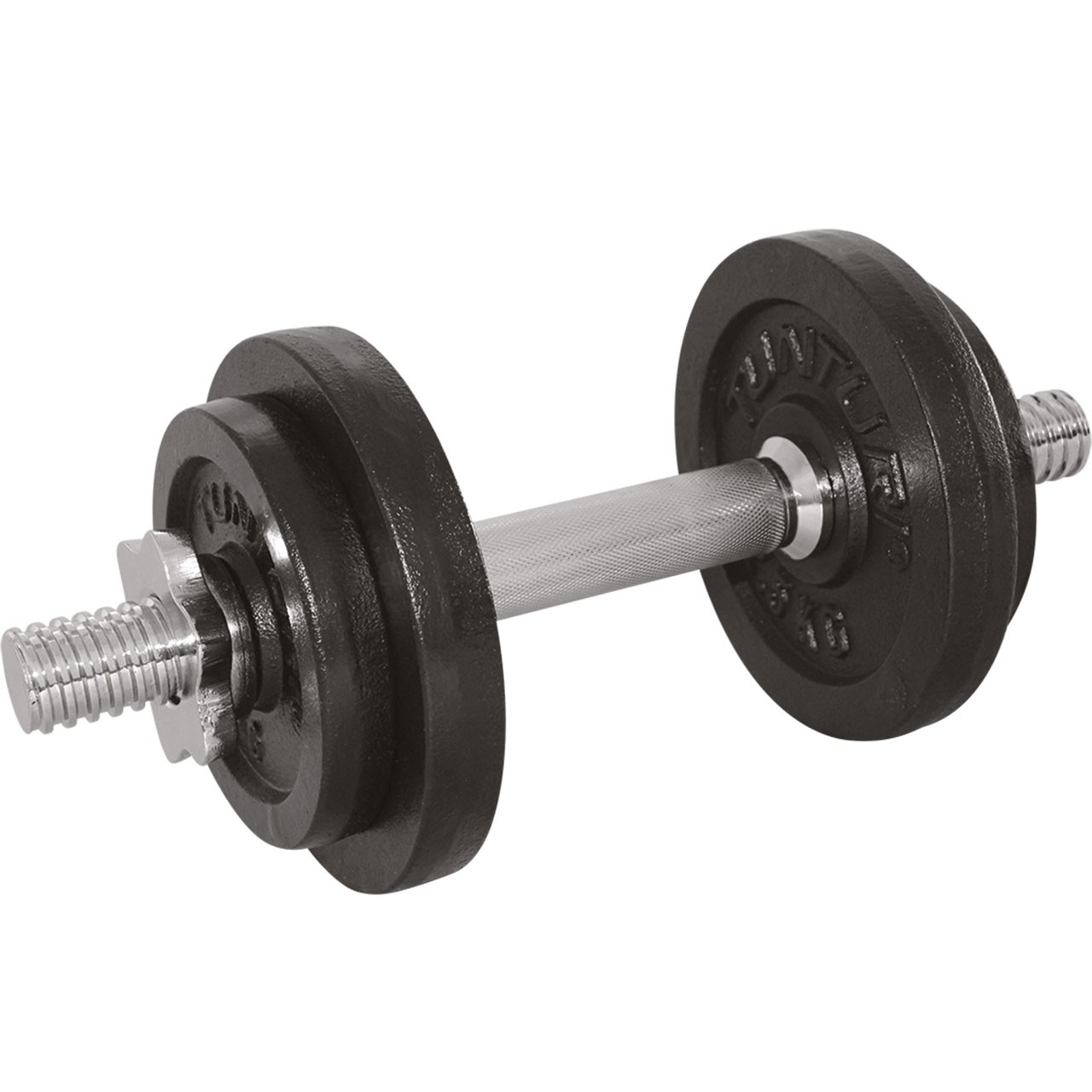
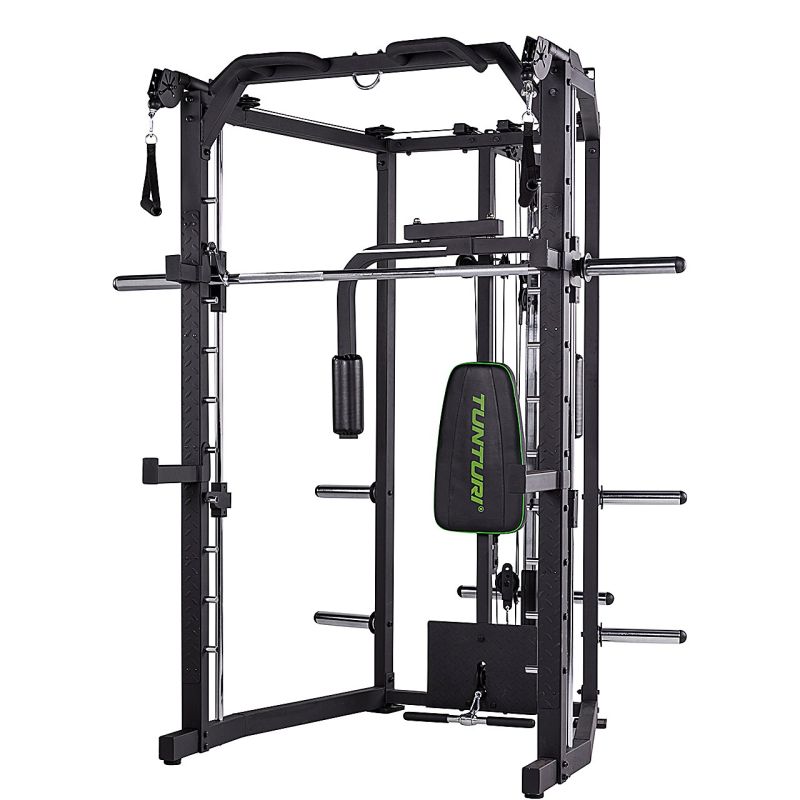
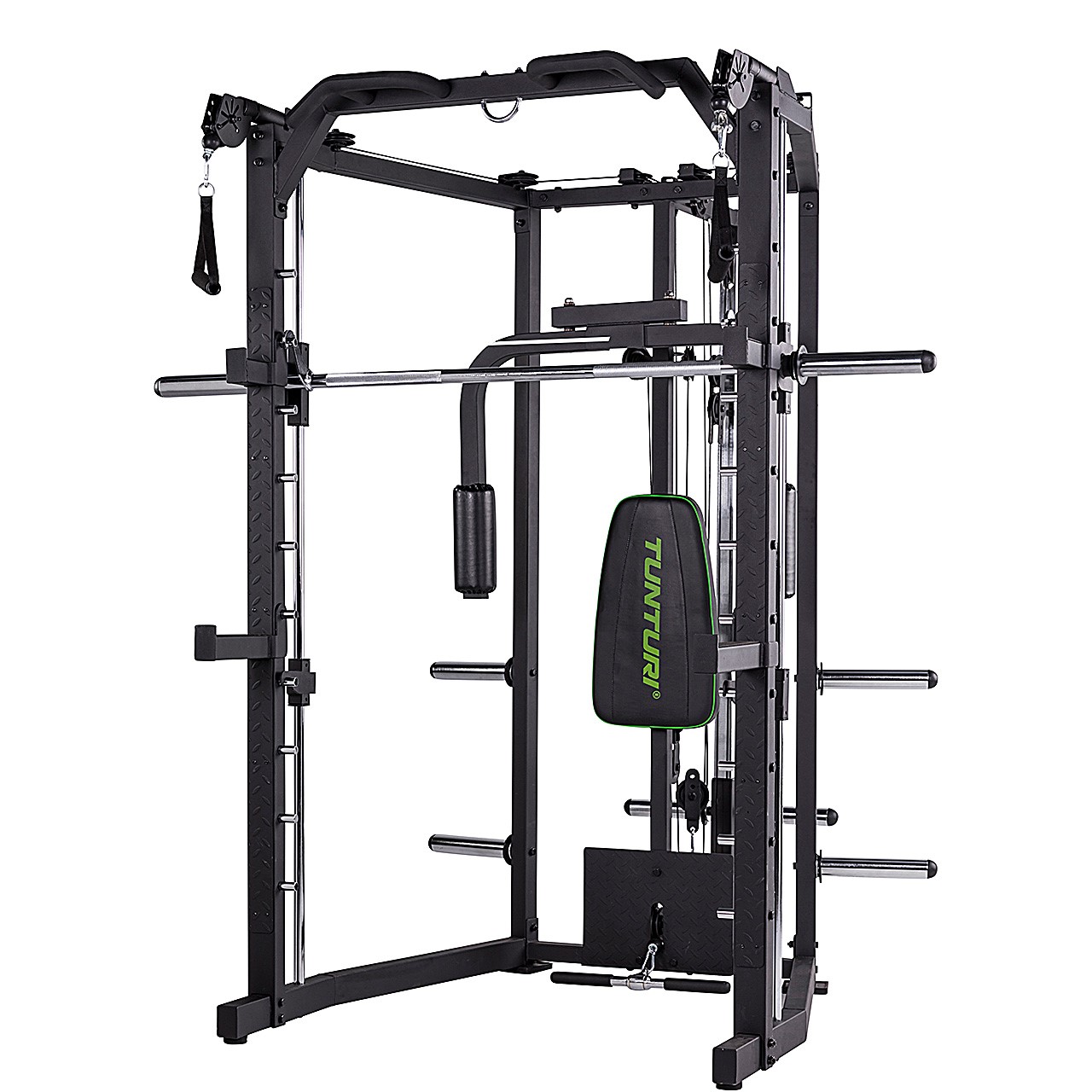
Are strength machines or free weights better? Both have their place. On a multi-gym, the guided movement path increases safety and reduces the risk of falling, which can be particularly helpful when returning to exercise after a long break. Free weights, on the other hand, engage the deep stabilizing muscles and improve core stability. A combination of both approaches is often the best solution. Two to three training sessions per week are sufficient, provided that resistance is increased progressively over time.
Which Sports Should Be Avoided with Osteoporosis?
Generally speaking, very few sports are completely prohibited. However, certain movement patterns place stress on weakened bones in ways that may not be beneficial. Anyone diagnosed with osteoporosis or who has already suffered a fracture should pay particular attention when choosing a sport and seek advice from their physician or physiotherapist.
Sports involving sudden movements and rapid twisting motions require caution. Tennis, squash, golf, and alpine skiing all place the upper body into rotation while under load. For healthy bones, this is usually not a problem. However, in individuals with low bone density, this combination can overload the vertebrae.
Sports involving jumping or a high risk of falling also require care. Horse riding, technical mountain biking, and trampolining are generally better suited to people with strong, healthy bones. In osteoporosis, a fall onto the back or hip can cause significantly more harm than the activity itself provides in benefits.
Anyone who enjoys deadlifts should first learn proper technique with a neutral spine and hinge from the hips rather than bending through the back.
Rotational movements under load are another area of concern. Russian twists performed with a weight plate on the abdomen or woodchopper exercises using a cable machine combine exactly what the spine tolerates least: compression and rotation at the same time.
Fortunately, there are still plenty of suitable activities:
- Swimming
- Walking
- Cycling on an exercise bike
- Rowing on a rowing machine
- Dancing
- Strength training with controlled technique
Preventing Osteoporosis During Menopause
The hormone estrogen protects the bones. As estrogen levels decline during menopause, bone loss accelerates significantly. It is during this phase that the long-term stability of the skeleton is largely determined.
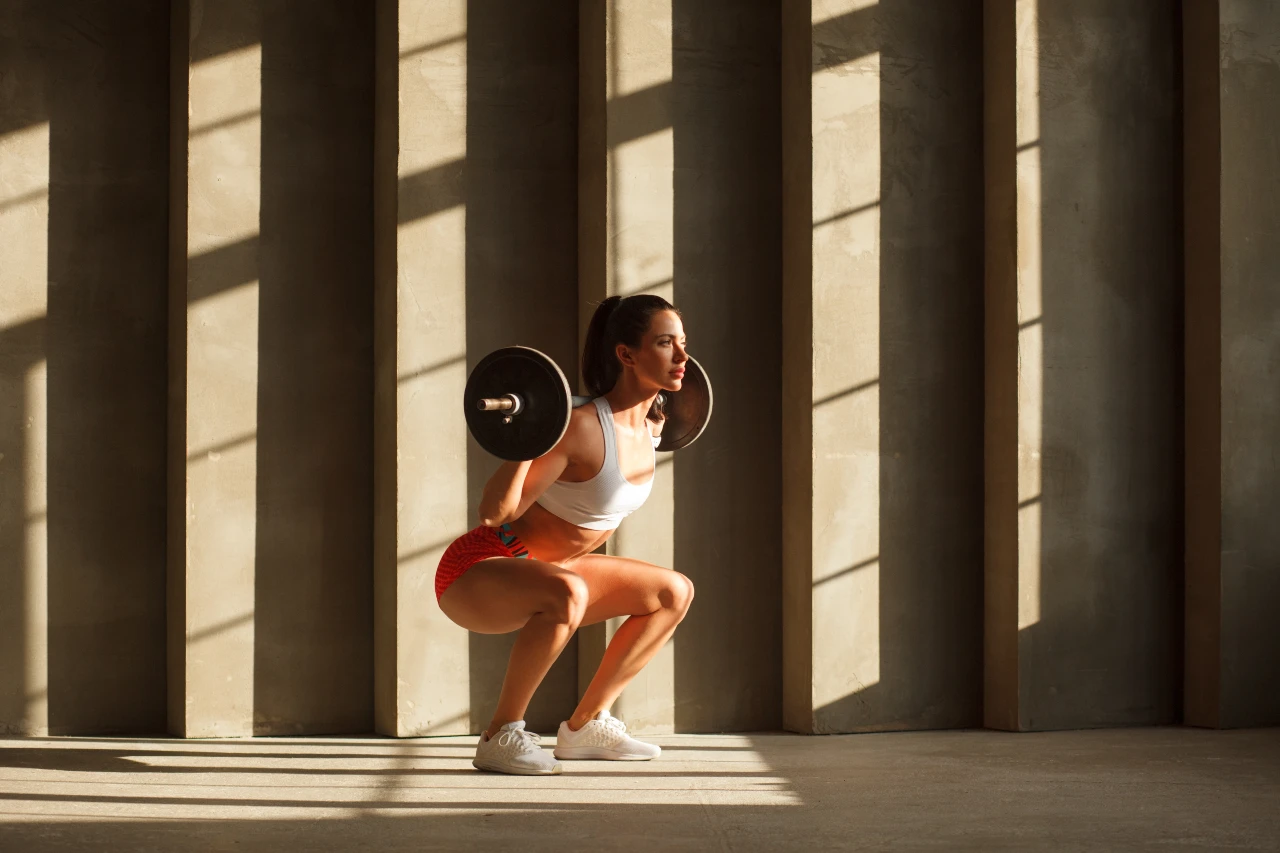
The importance of this period is highlighted by the LIFTMOR study conducted at Griffith University in Australia. A total of 101 postmenopausal women with already low bone density participated in heavy resistance training twice per week for eight months. Squats, deadlifts, and overhead presses were performed with high loads and proper technique. The results were impressive. Bone density in the lumbar spine and femoral neck increased measurably, posture improved, and injury rates did not increase. Heavy strength training can therefore remain effective even after bone mass has already begun to decline. (3)
© Sergey Chumakov – stock.adobe.com
Tips for Maintaining Healthy Bone Density During Menopause
Training is important, but what happens outside the gym matters just as much. Here are a few practical adjustments for everyday life:
- Include strength training in your weekly routine: Two dedicated strength-training sessions per week provide a solid foundation. Focus on the major compound exercises, use meaningful resistance, and gradually increase the weight over time. Many women avoid progression because they fear becoming too muscular. This concern is unfounded. Without progressive overload, bones do not receive the stimulus they need to become stronger.
- Prioritize protein intake: Daily protein requirements for women during menopause range from 1.0 to 1.4 grams per kilogram of body weight. For a person weighing 65 kg, this corresponds to approximately 65 to 91 grams of protein spread across three to five meals per day.
- Keep an eye on calcium and vitamin D: Three servings of dairy products per day or calcium-rich mineral water generally cover calcium requirements. Vitamin D is produced naturally in the skin through sunlight exposure and can also be obtained in small amounts from foods such as salmon and mushrooms. During winter in Switzerland, sunlight levels are usually insufficient for adequate vitamin D production. Supplementation may therefore be beneficial, ideally after a blood test.
- Train your balance: Falls are the leading cause of fractures. Standing on one leg while brushing your teeth, dancing, or occasionally training on a balance board can significantly improve coordination.
- Stay active throughout the day: Take the stairs instead of the elevator. Go for walks during your lunch break or in the evening. Cycle to work whenever possible. While this does not replace strength training, it helps keep the body active between workouts. Physical activity remains one of the best ways to help prevent osteoporosis.
- Avoid extreme dieting: Crash diets in midlife often lead to muscle loss and reduced bone stability. If weight loss is your goal, aim for a modest calorie deficit of around 200 calories per day (without dropping below your basal metabolic rate), combined with strength training and sufficient protein intake.
It is also worth discussing your situation with your physician. A bone density scan can provide valuable information about your starting point.
Nutrition for Strong Bones: Focus on Calcium, Vitamin D, and Protein
Nutrition and strength training go hand in hand when it comes to preventing osteoporosis with age. Without the right building blocks, the body can hardly create new bone tissue. According to SVGO recommendations, adults should consume 1,000 milligrams of calcium, at least 800 international units of vitamin D, and one gram of protein per kilogram of body weight every day.
© Vladislav Noseek – stock.adobe.com
Calcium for Strong Bones
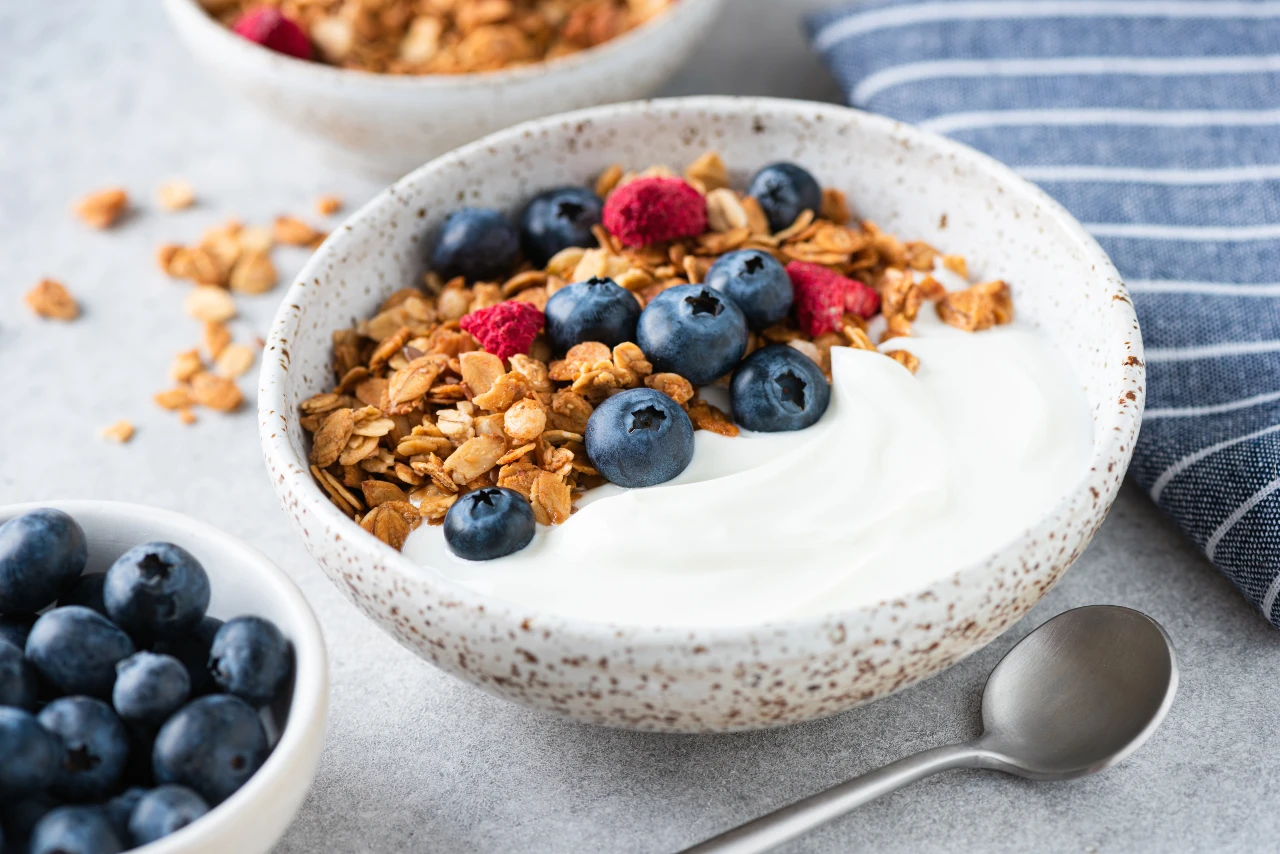
Three servings of dairy products per day reliably cover calcium requirements. A cup of yogurt, a piece of hard cheese, and a glass of milk are often sufficient. Those who avoid dairy still have plenty of options. Mineral water containing more than 300 milligrams of calcium per liter, legumes, nuts, calcium-fortified plant-based drinks, and leafy green vegetables such as kale, broccoli, and bok choy are all excellent sources of calcium.
Protein and Collagen as Building Blocks for Bones
Around one-third of bone mass consists of collagen. This structural protein provides bones with their flexibility and resilience. The body can produce collagen itself, provided it receives the necessary nutrients. These include amino acids from food, vitamin C, and zinc. Amino acids are the building blocks of proteins and are therefore found in protein-rich foods. Good sources of vitamin C include bell peppers, vegetables from the cabbage family such as kale and Brussels sprouts, as well as berries and citrus fruits. Zinc can be found in pumpkin seeds, oats, lentils, and animal-based foods.
Bone broth and chicken with the skin on also provide collagen directly.
Vitamin D3, K2, and Magnesium: A Powerful Team for Bone Health
Vitamin D3 helps transport calcium from the intestines into the bloodstream. Vitamin K2 ensures that this calcium is deposited in the bones rather than accumulating in the walls of blood vessels. Magnesium activates both vitamins and contributes to maintaining bone structure. These three nutrients work together as a team. Vitamin D3 is produced in the skin through sunlight exposure, but this is often insufficient during the winter months in Switzerland. Vitamin K2 is found primarily in fermented foods such as natto, miso paste, and sauerkraut, as well as in hard cheeses and egg yolks. Magnesium is abundant in whole grains, pumpkin seeds, cashew nuts, and beans. Supplementing with vitamin D3 and K2 from October through March may be beneficial for many people, ideally following a blood test and consultation with a healthcare professional.
References
(1) Swiss Association Against Osteoporosis (SVGO/ASCO): Recommendations on Calcium, Vitamin D, and Protein
(2) Weaver CM et al. (2016): The National Osteoporosis Foundation’s position statement on peak bone mass development and lifestyle factors: a systematic review and implementation recommendations. Osteoporosis International;27(4):1281–1386. DOI: 10.1007/s00198-015‑3440‑3
(3) Watson SL, Weeks BK, Weis LJ, Harding AT, Horan SA, Beck BR (2018): High-Intensity Resistance and Impact Training Improves Bone Mineral Density and Physical Function in Postmenopausal Women With Osteopenia and Osteoporosis: The LIFTMOR Randomized Controlled Trial. Journal of Bone and Mineral Research 2018;33(2):211–220. DOI: 10.1002/jbmr.3284
(4) Swiss Federal Office of Public Health (FOPH): Recommendations for Vitamin D Intake