
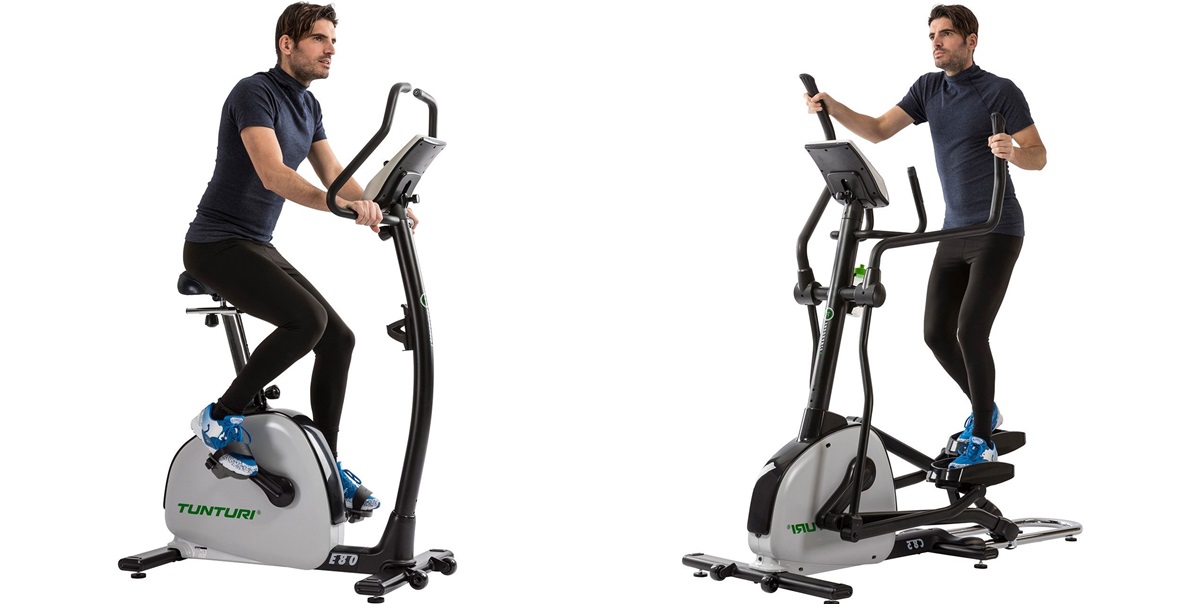
Cross-trainer or ergometer—which cardio machine is better for your home workout? Both are among the most popular cardio machines for home gyms and provide cardiovascular exercise regardless of the weather, but they differ in terms of muscle focus, calorie burn, and space requirements. In this guide, we compare cross trainers and ergometers point by point, also categorize traditional exercise bikes and high-intensity sprint bikes, and show you suitable models from top brands such as Tunturi, Reebok, adidas, and Hyrox. Here’s how to find the device that truly fits your goals.
Cross-trainer or ergometer: Which is better? The short answer
For a full-body workout, maximum joint protection, and slightly higher calorie burn per session, the cross-trainer is the better choice. If you want to focus on training your legs and endurance, have limited space, need a quiet machine, or are coming out of rehabilitation, an ergometer is the better choice. Both are very effective for cardiovascular training; the main differences lie in the muscles used, the amount of space required, and the sequence of movements. Compared to riding a bike outdoors, both options offer the advantages of weather-independent training, consistent resistance, and predictable intensity.
Cross-Trainer vs. Ergometer vs. Bicycle: An Overview
*Calorie counts are approximate and depend heavily on weight, intensity, and fitness level.
Comparing Cross-Trainers and Exercise Bikes: Similarities and Differences
Both the cross-trainer and the ergometer are excellent cardio machines that allow you to get an effective cardiovascular workout right in the comfort of your own home. Both not only help with weight loss but also with building muscle strength, and both offer the flexibility to work out regardless of operating hours or weather conditions. The key differences lie in muscle use, space requirements, and movement patterns, and these are precisely the points we’ll now examine in detail.
Cross-Trainer vs. Exercise Bike: Which Muscles Do You Work?
Exercise bike: Riding an indoor bike or exercise bike primarily works the muscles of the legs and glutes. Every pedal stroke puts intense strain on the thighs, while the calves and glutes also work together. As a variation, you can pedal while standing, which provides an additional workout for your core and arm muscles. The ergometer is ideal if you want to specifically strengthen your lower body. In addition, the movements involved in cycling are familiar, which makes it particularly beginner-friendly.
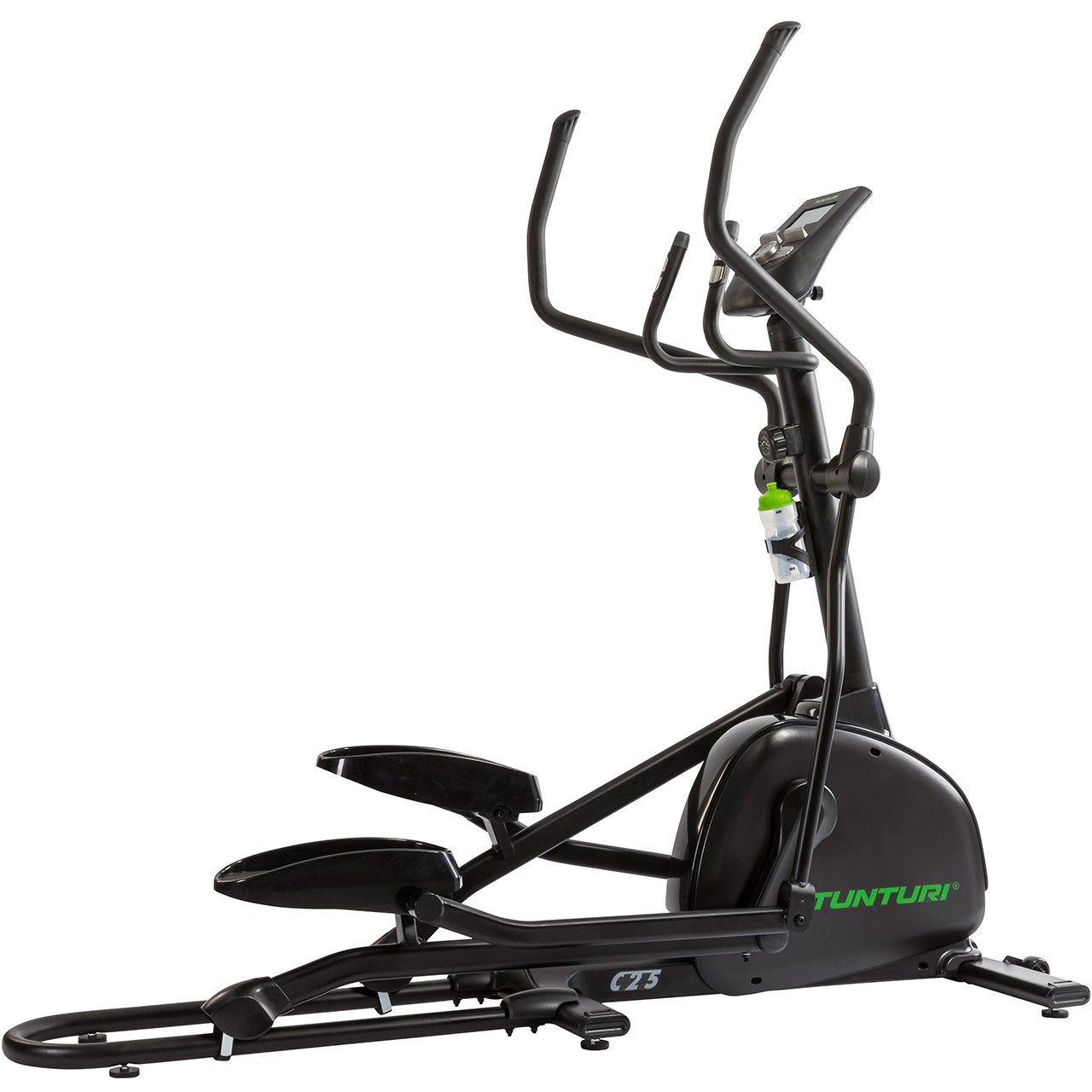
Cross-trainer: The cross-trainer provides a comprehensive full-body workout. By moving your legs and arms at the same time, you’ll work out your legs, arms, shoulders, and back. On front-drive models, your legs move through a true elliptical motion, while rear-drive cross-trainers typically follow a more oval, less elliptical path. Either way, the arm bars engage your shoulders and upper back, and the upright posture activates your core, including your abdominal muscles. If you’re looking for a machine that works your entire body and improves your coordination, the cross trainer is the perfect choice.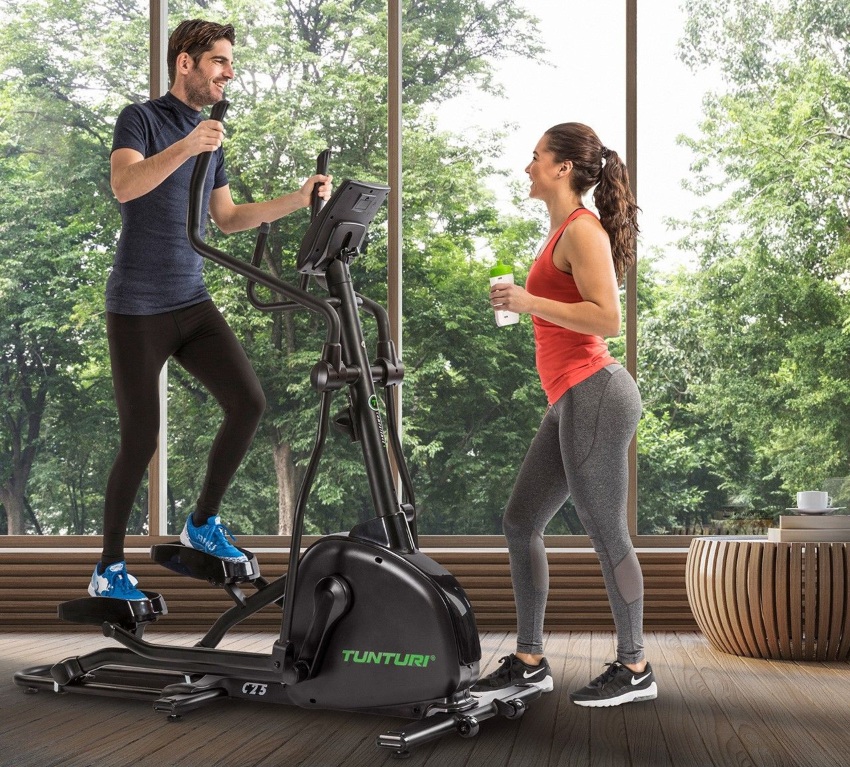
How easy on the joints are cross-trainers, exercise bikes, and regular bikes?
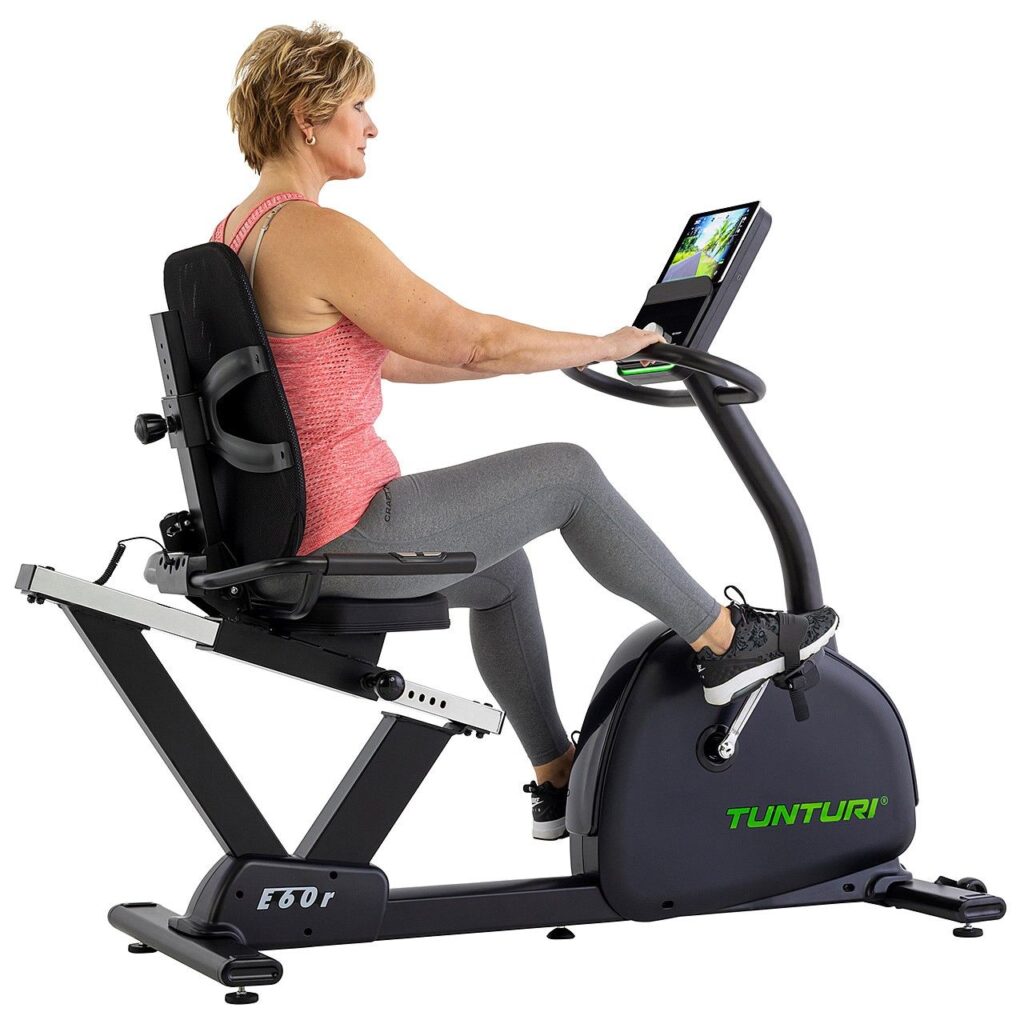
Especially for people with knee or hip problems, those who are overweight, or those recovering from an injury, the impact on the joints is often the most important factor when making a purchase. The cross-trainer is considered particularly easy on the joints: Your feet remain on the pedals at all times, and the motion (elliptical on front-drive models, oval on rear-drive models) is smooth and impact-free, unlike when jogging. The ergometer is also very gentle on the body because you’re sitting down and your body weight isn’t putting strain on your joints. If you want to take additional pressure off your back, a recumbent exercise bike is a good choice; thanks to its backrest, it’s popular in rehabilitation settings. When cycling outdoors, the pedaling itself is gentle on the body, but there are additional factors such as vibrations from the road, getting on and off the bike, and the risk of falling. When it comes to minimizing joint stress while providing a high-intensity workout, the cross-trainer is the clear winner.
Calorie Burn: Cross-Trainer or Exercise Bike—Which Is More Effective?
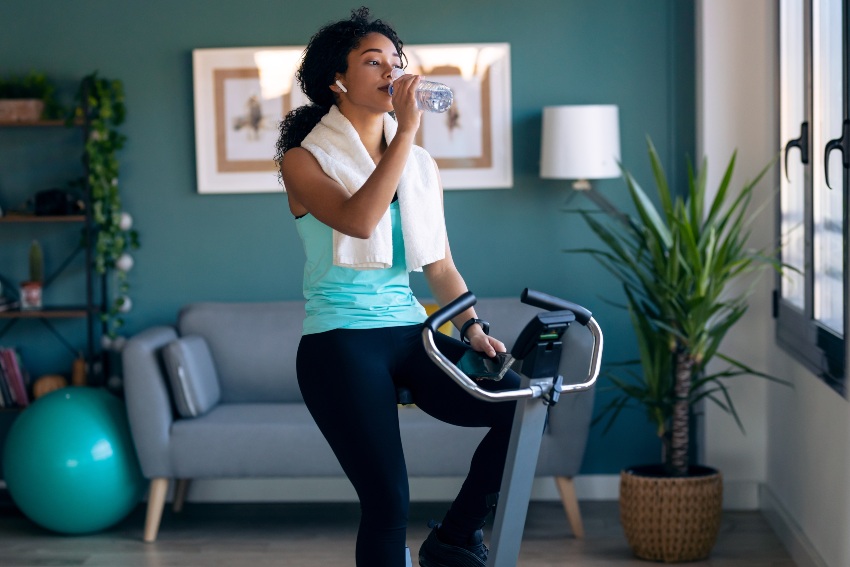
Calorie burn depends on several factors, such as heart rate and duration, but above all on intensity. A moderate, longer workout on the cross trainer gradually burns calories through continuous movement, while intense interval sessions on the ergometer achieve the same effect in less time. The key difference lies in the type of workout: On a cross-trainer, several muscle groups work simultaneously (legs, glutes, arms, back, and abs), while the ergometer primarily targets the leg and gluteal muscles. As a rough guide, a person weighing about 75 kg burns approximately 300 to 400 kcal during 30 minutes of moderate exercise on a cross-trainer, and about 250 to 350 kcal on an ergometer.
If your goal is to lose weight, both machines are excellent for burning calories, melting away fat, and improving your fitness, though the cross-trainer has a slight edge thanks to its full-body workout. However, consistency and intensity are key to success.
© nenetus — stock.adobe.com
Cross-Trainer vs. Bicycle: Is It Worth Switching from Cycling?
Many people ask themselves not only “elliptical trainer or exercise bike?”, but also: “elliptical trainer or bicycle?” Riding a real bike outdoors offers a connection with nature, variety, and fresh air, and—above all—gives your legs a good workout, but it depends on the weather, the season, and traffic. The cross-trainer offers a structured full-body workout that can be done regardless of the weather, is easy on the joints, and poses no risk of falling—making it ideal for winter or evening workouts. If you want to maintain the familiar motion of riding a bike while still working out indoors, an indoor bike or exercise bike offers the perfect compromise. In short: For an outdoor experience and a workout that focuses solely on the legs, the bicycle remains the top choice; for an efficient, low-impact full-body workout in any season, the cross trainer is superior.
And what about Sprinter bikes?
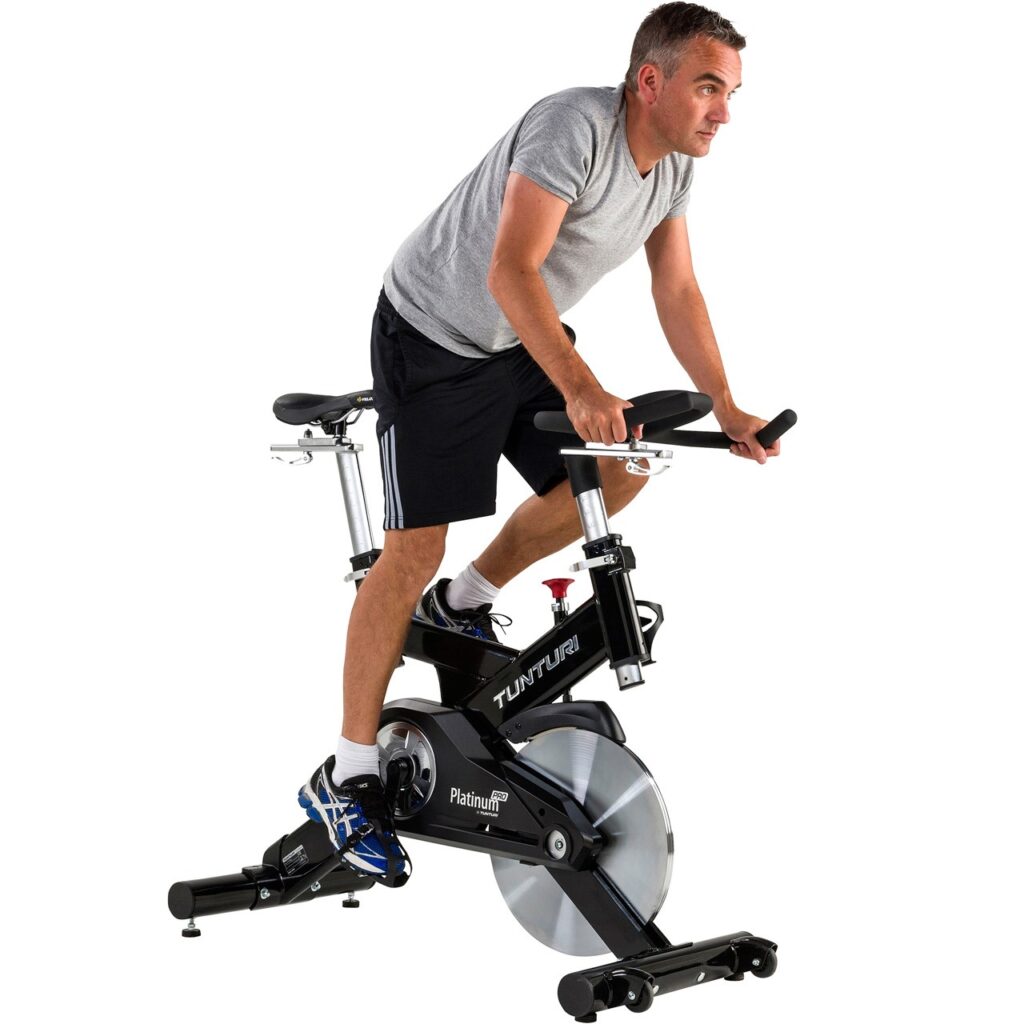
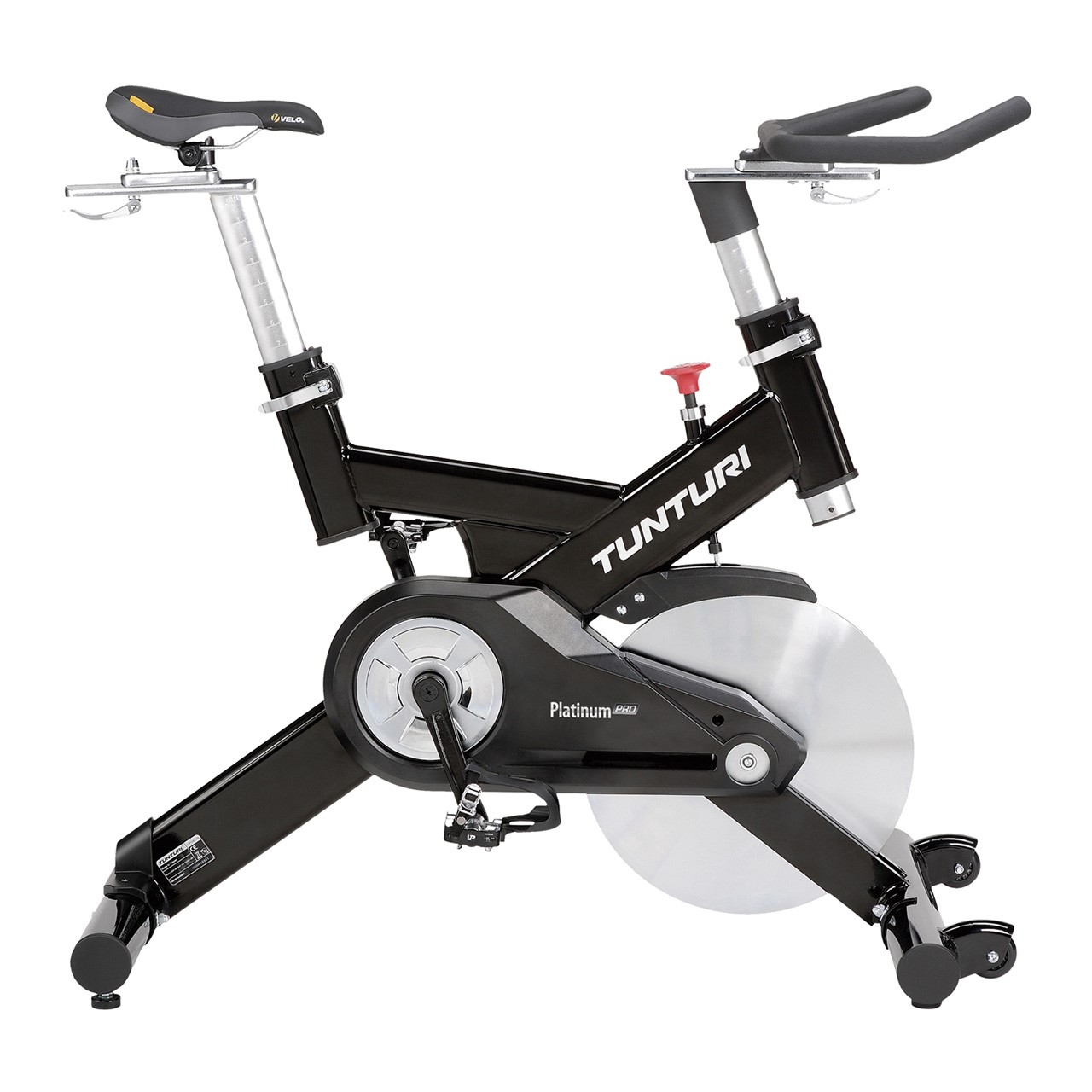
In addition to cross trainers and ergometers, Sprinter Bikes (indoor bikes) offer a third option, especially for intense, sweat-inducing endurance training and HIIT. Thanks to their heavy flywheel and sporty riding position, they come closest to the feel of a road bike. At isports, you’ll find Sprinter bikes from brands such as Tunturi (S Series), adidas (Ultra Series), and Reebok, as well as the Hyrox Perform Air Bike, which uses air to generate resistance and is ideal for functional training. If you’re looking for maximum intensity on a bike, you should consider a sprinter bike; if you prefer a workout that’s easy on the joints and engages your whole body, stick with the cross trainer.
Which device is right for whom?
- Full-Body Workout and Fat Loss: Cross-Trainer
- Targeted leg and endurance training, the feel of cycling: ergometer or indoor bike
- Maximum Intensity and HIIT: Sprinter Bike or Air Bike
- Rehabilitation, Seniors, Back Care: Recumbent Exercise Bikes
- Limited space and quiet workouts in a rental apartment: exercise bikes
- Joint problems or excess weight: Cross-trainer or recumbent bike
Buying an Ergometer: What Should You Look For?
There are several factors to consider when buying an ergometer. The resistance system is important: An induction or electromagnetic system operates precisely and quietly. The flywheel mass is also crucial; a mass of at least about 6 kg ensures a smooth motion, while too little mass makes the motion appear jerky. It’s also a good idea to use a heart rate-controlled program that automatically adjusts the resistance based on your heart rate. At isports, you’ll find exercise bikes and elliptical trainers from brands such as Tunturi, Reebok, and adidas, among others. Three models for beginners through professionals:
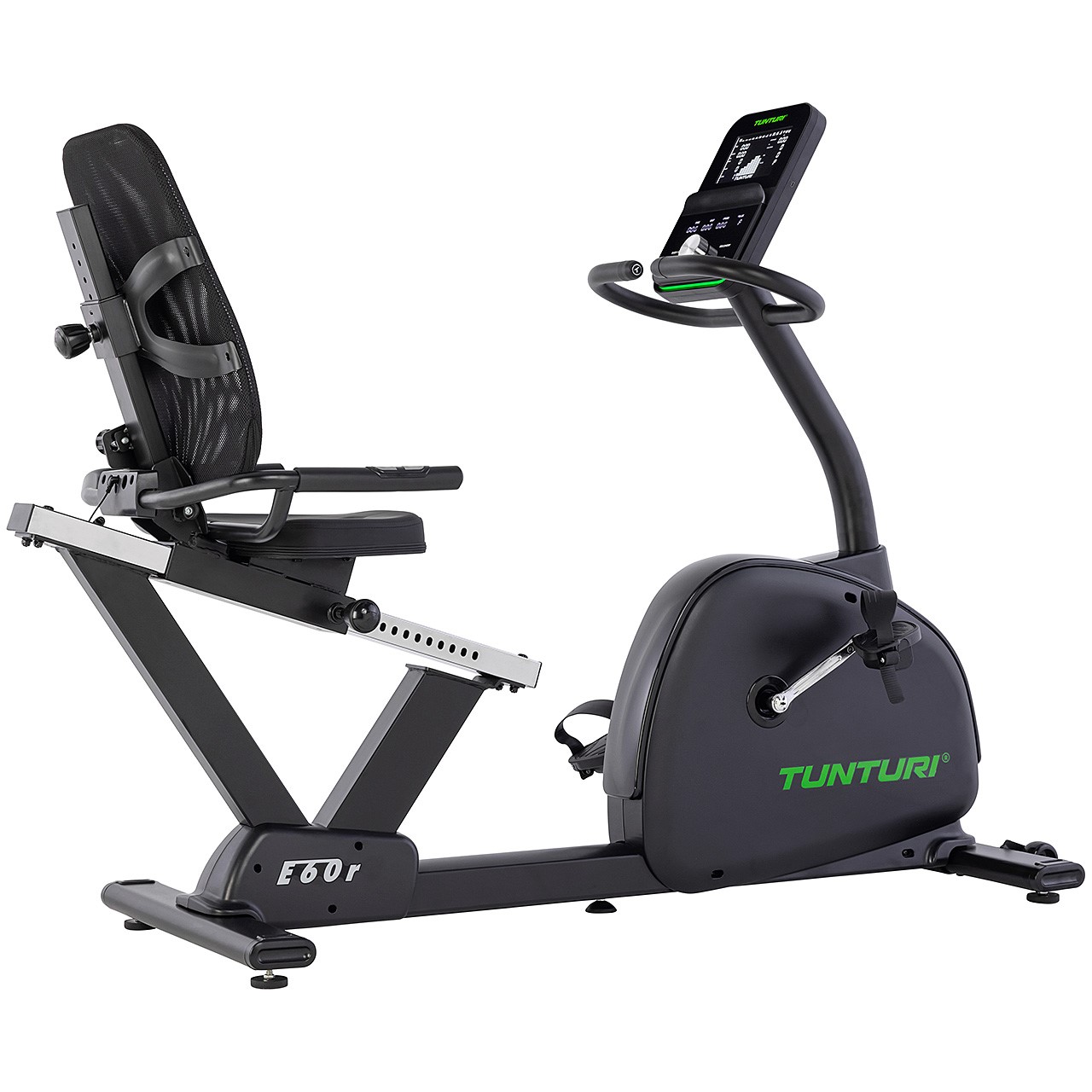
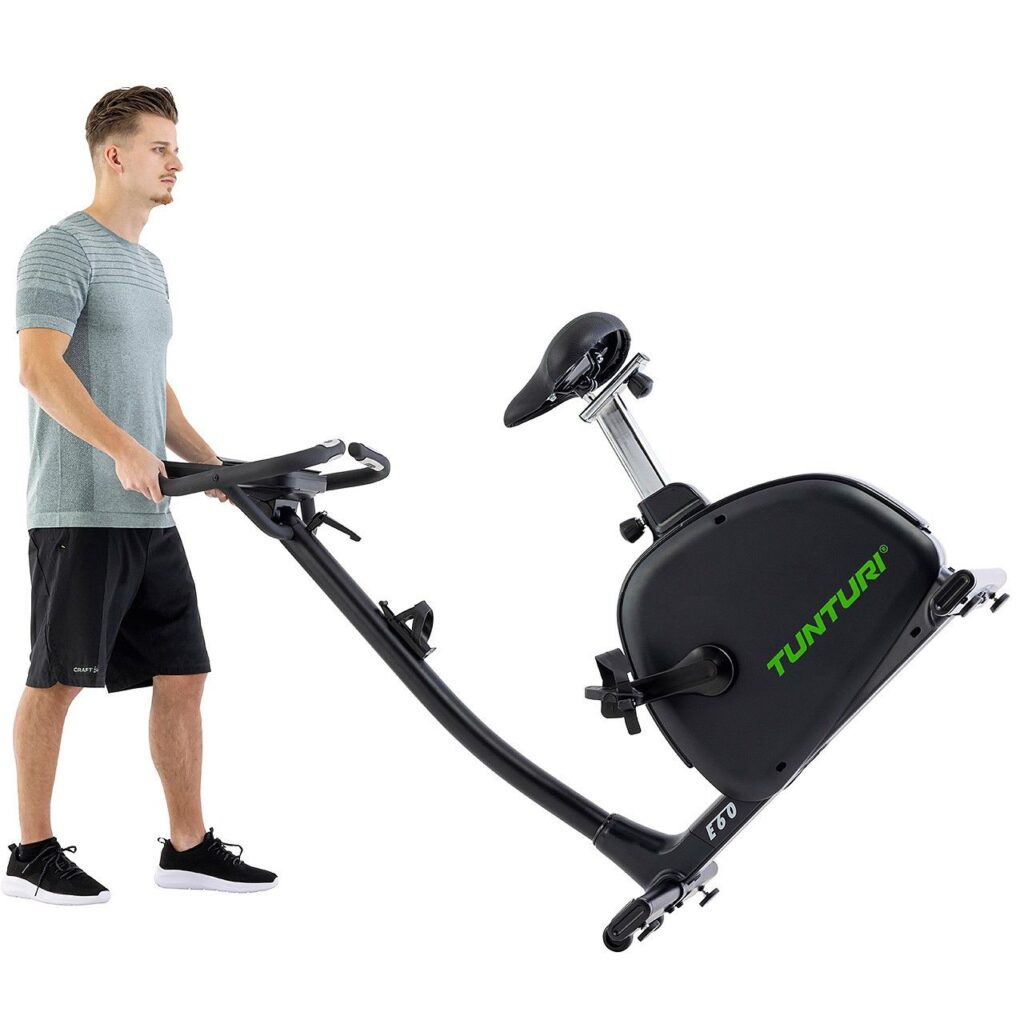
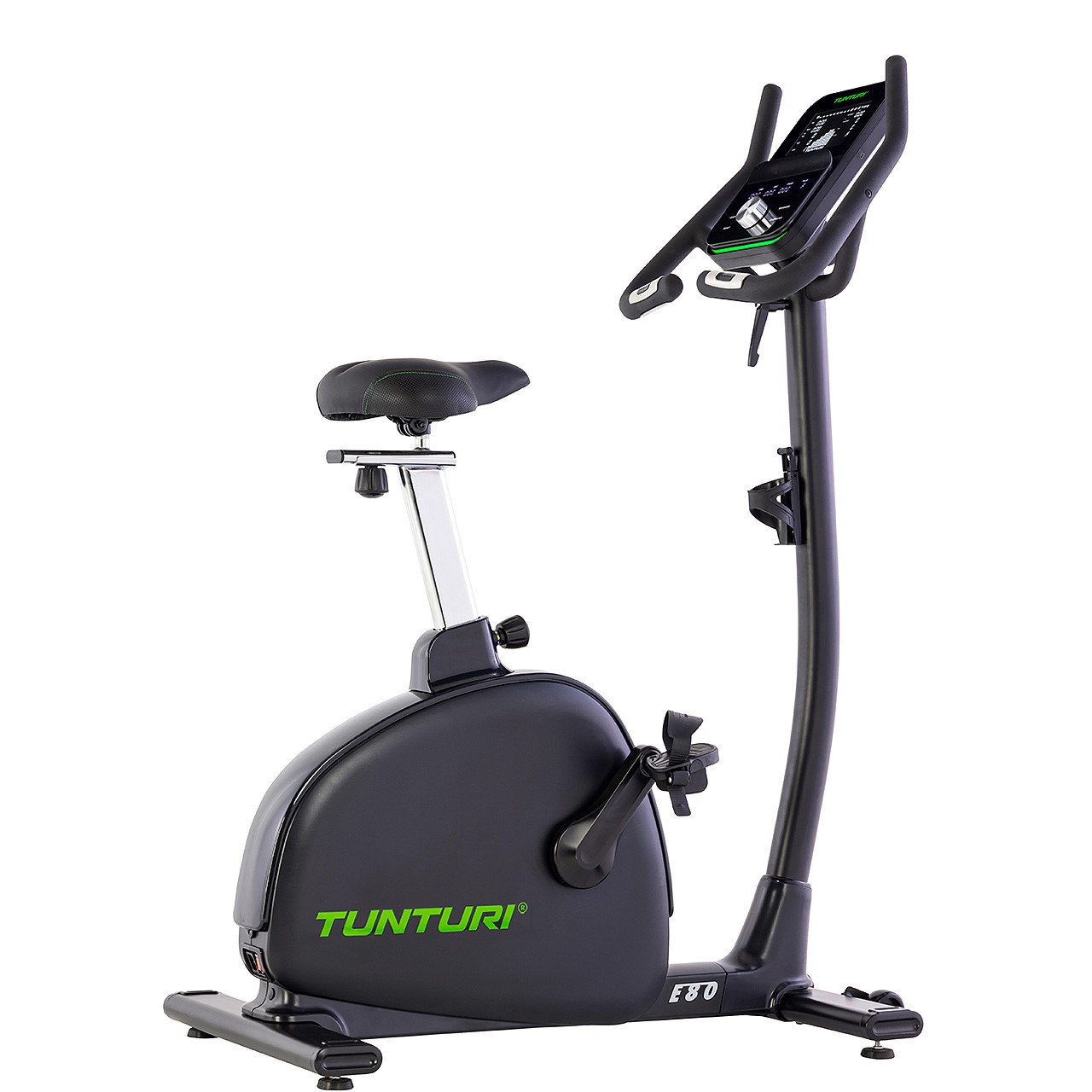
Tunturi E60 Signature Ergometer
The right choice for anyone who works out regularly and in a variety of ways. With 26 programs and 48 resistance levels up to 350 watts, it offers plenty of variety, and the backlit color LCD display with tablet holder clearly shows all the readings. Thanks to Bluetooth, you can connect it to apps like Tunturi Routes, Kinomap, or Zwift. The maintenance-free magnetic system, the 14 kg flywheel, and the Comfort+ gel seat ensure a smooth, comfortable run, with a weight capacity of up to 150 kg.
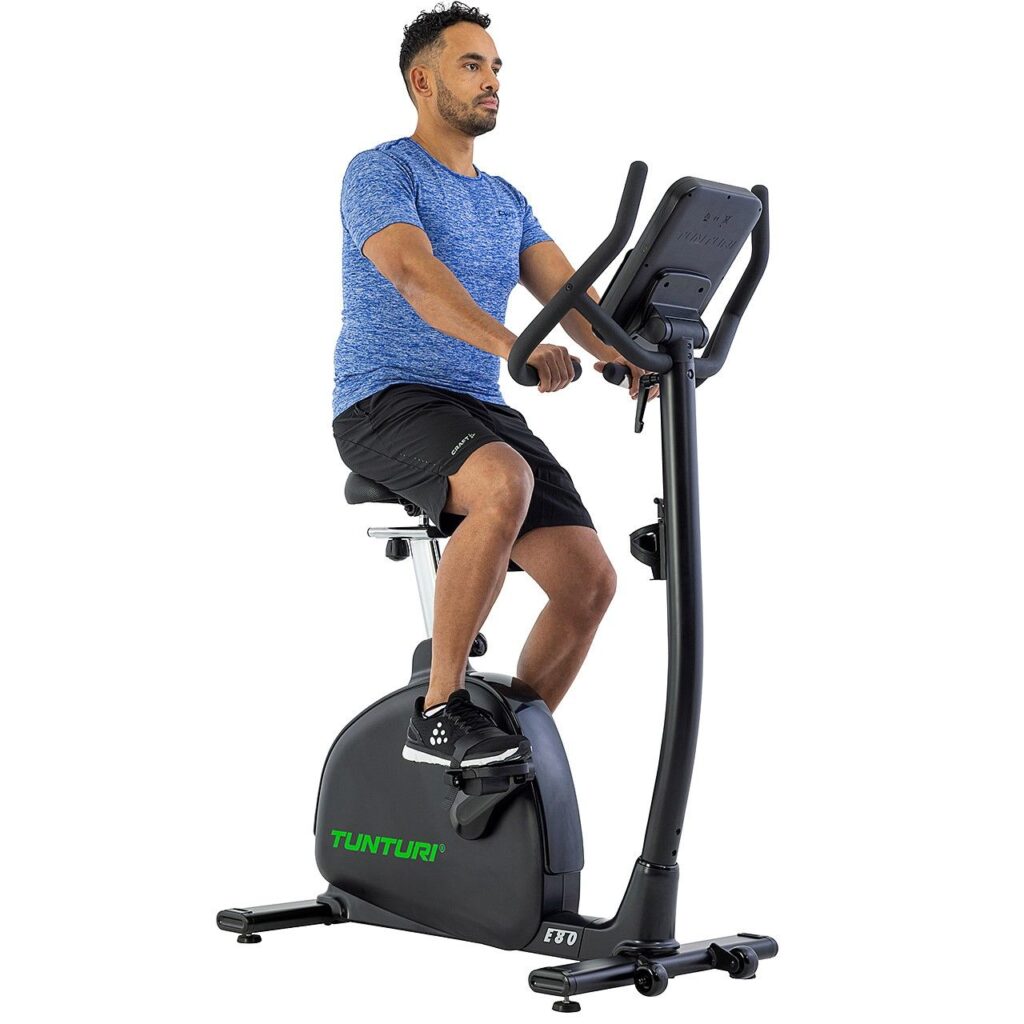
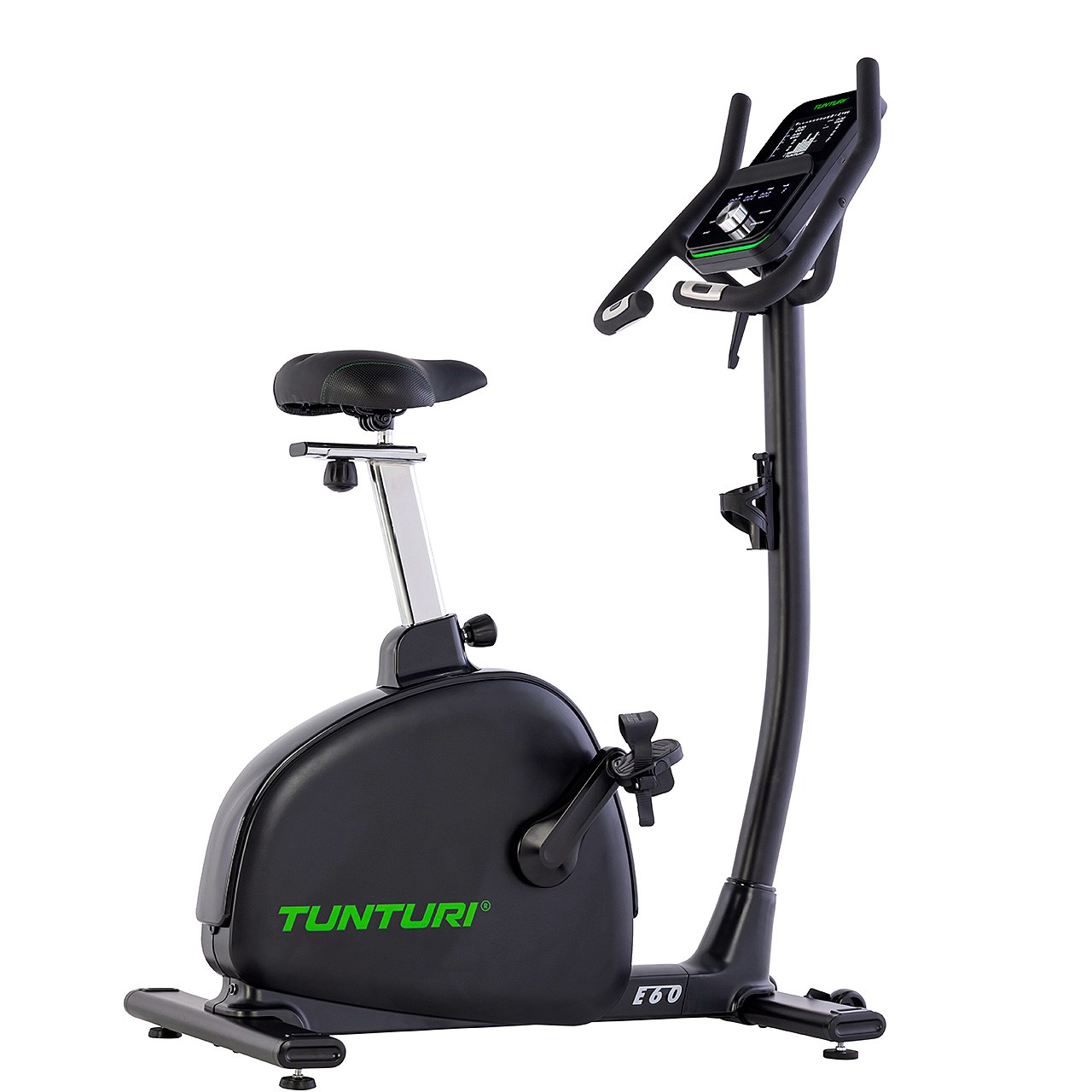
Tunturi E80 Signature Ergometer
The high-end model for discerning home gym enthusiasts who train intensively. With 26 programs, 48 resistance levels, and up to 800 watts, it handles even challenging interval workouts with ease. The 7‑inch Bluetooth AI monitor displays all data with crystal-clear clarity and connects to apps such as Tunturi Routes, Kinomap, and Zwift. The precise EMS braking system, the Comfort+ gel saddle, and the adjustable Multigrip+ handlebars ensure maximum comfort and can support up to 150 kg.
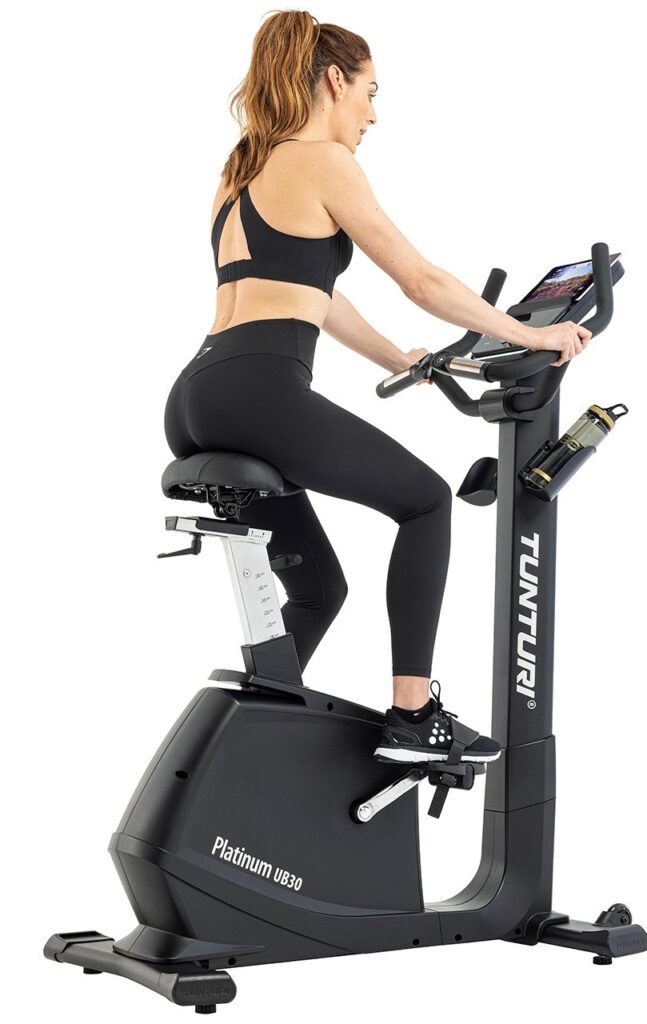
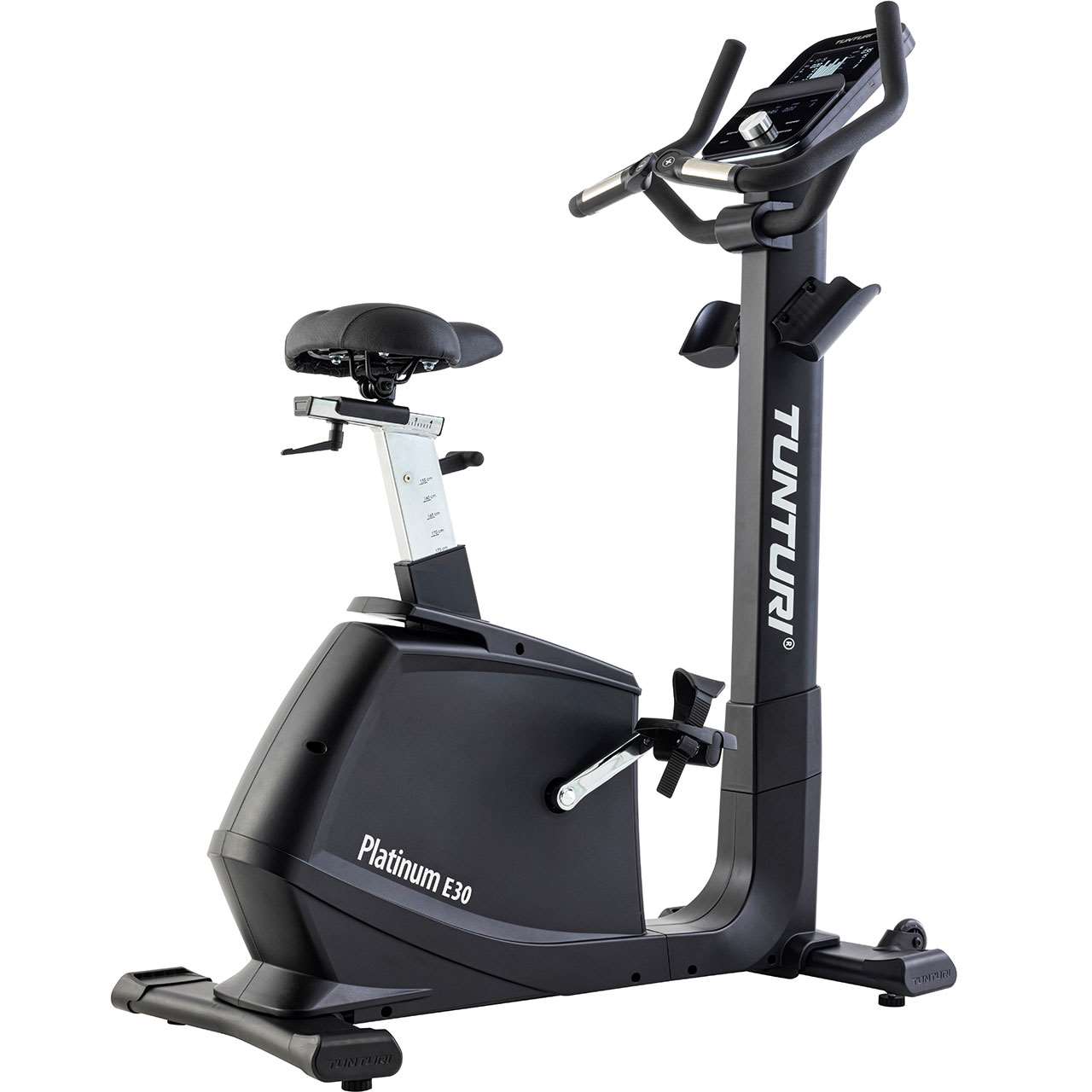
Tunturi Platinum E30 Upright Bike
The Tunturi Platinum E30 Upright Bike Ergometer is a high-end exercise bike designed for demanding home users and professionals. With 48 resistance levels and a maximum power output of 400 W, it offers an intense and versatile workout, ideal for interval training and improving endurance. The maintenance-free EMS braking system allows for smooth resistance changes, while the adjustable comfort saddle, Multigrip+ handlebars, and non-slip pedals ensure an optimal training position. The 7‑inch Bluetooth monitor clearly displays workout data and allows you to use apps like Tunturi Routes and Zwift to make your workouts exciting and personalized.
Buying a Cross Trainer: What Should You Look For?
There are a few things to keep in mind when it comes to cross trainers, too. The flywheel mass plays a key role: For regular use, a moderate mass of 9 kg or more is sufficient, while ambitious athletes should opt for a heavier weight. At isports, you can find cross trainers and elliptical trainers from Tunturi, Reebok, adidas, Schwinn, Nautilus, and Bowflex. Three models we recommend:
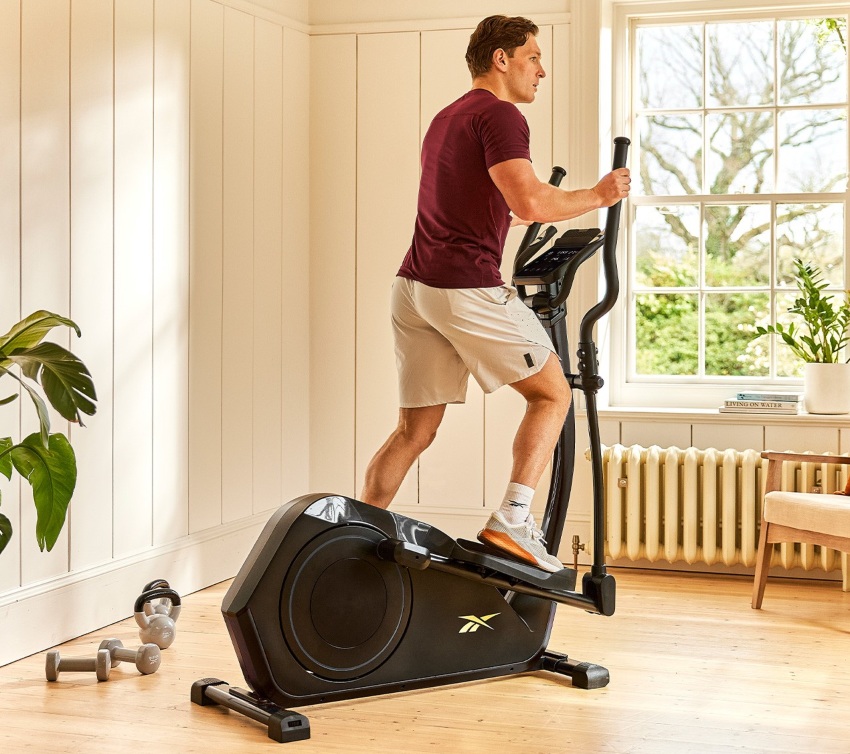
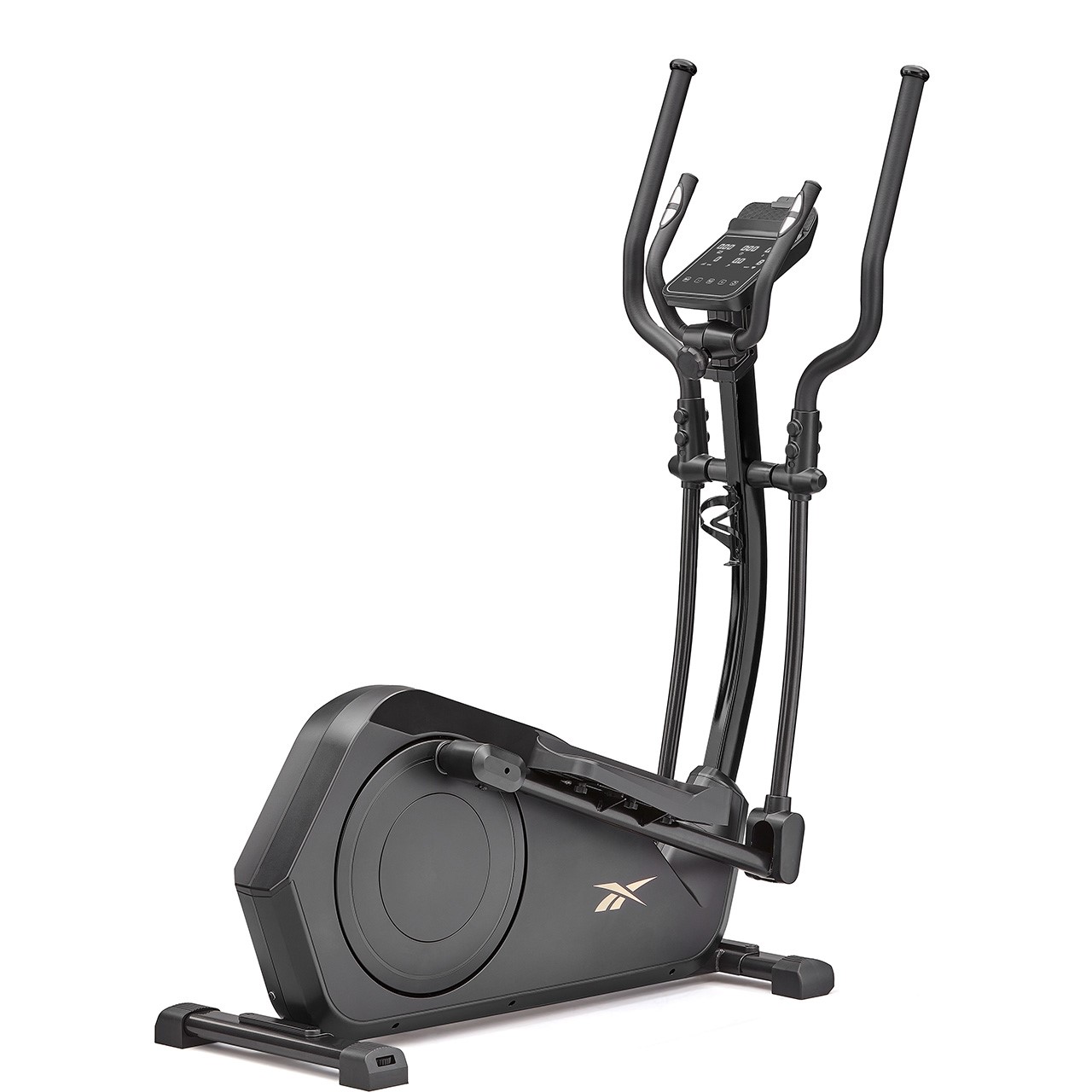
Reebok FR30 Cross Trainer
The Reebok FR30 cross-trainer combines high-quality technology and stylish design for the perfect home workout. With its sturdy 9‑kg flywheel, it ensures a smooth, fluid motion and, thanks to 32 electronic resistance levels, offers full control over your workout. The FR30 is compatible with the Reebok Console app and the Kinomap app, enabling interactive workouts and real-time feedback. With a maximum user weight of 120 kg and heart rate monitoring on the handles, it offers comfort and durability. An ideal piece of equipment for endurance and muscle strength that offers quality and performance at an unbeatable price.
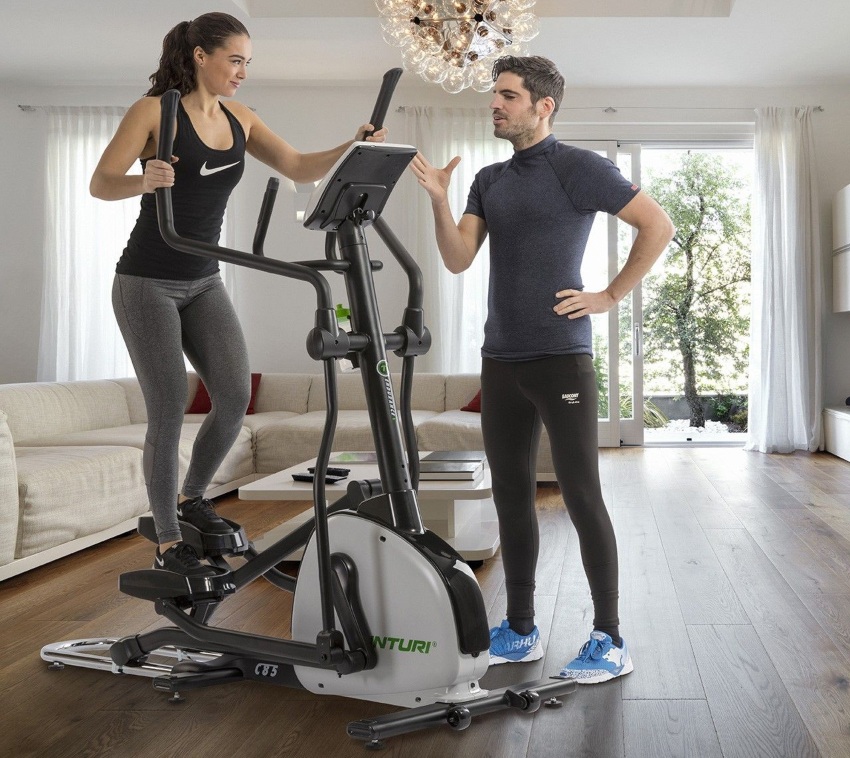
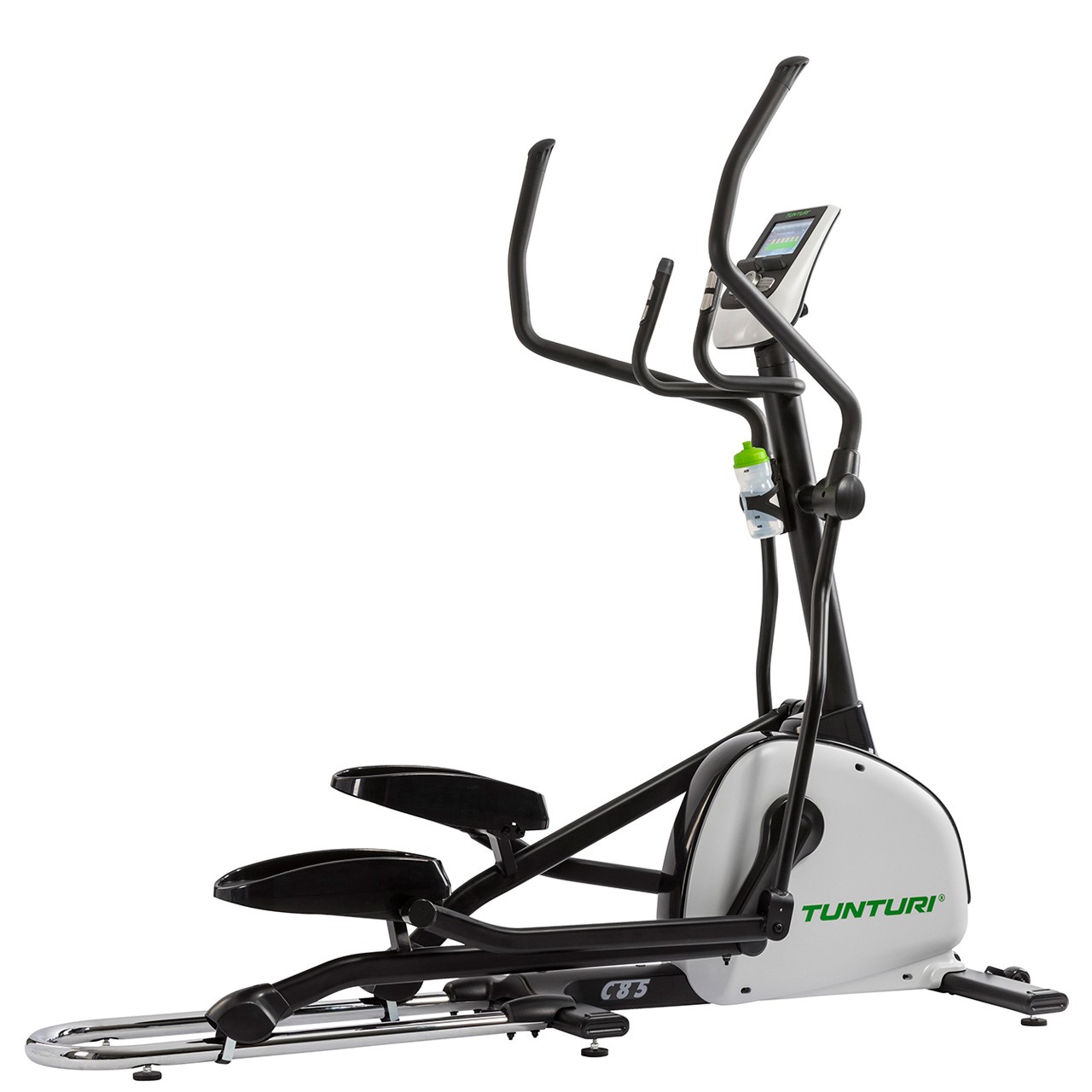
Tunturi C85F Endurance Cross Trainer
The Tunturi C85F Endurance Cross Trainer is an excellent model for ambitious home exercisers and professionals, as it offers a wide range of training intensities with 43 programs and 58 resistance levels. The 32-kg flywheel ensures stable and smooth movement. Thanks to the TFT color display and the simple menu navigation, operation is also intuitive. The Kinomap app and integrated virtual training worlds make workouts even more motivating. This sturdy model is therefore particularly well-suited for intense workouts and can support a weight of up to 150 kg.
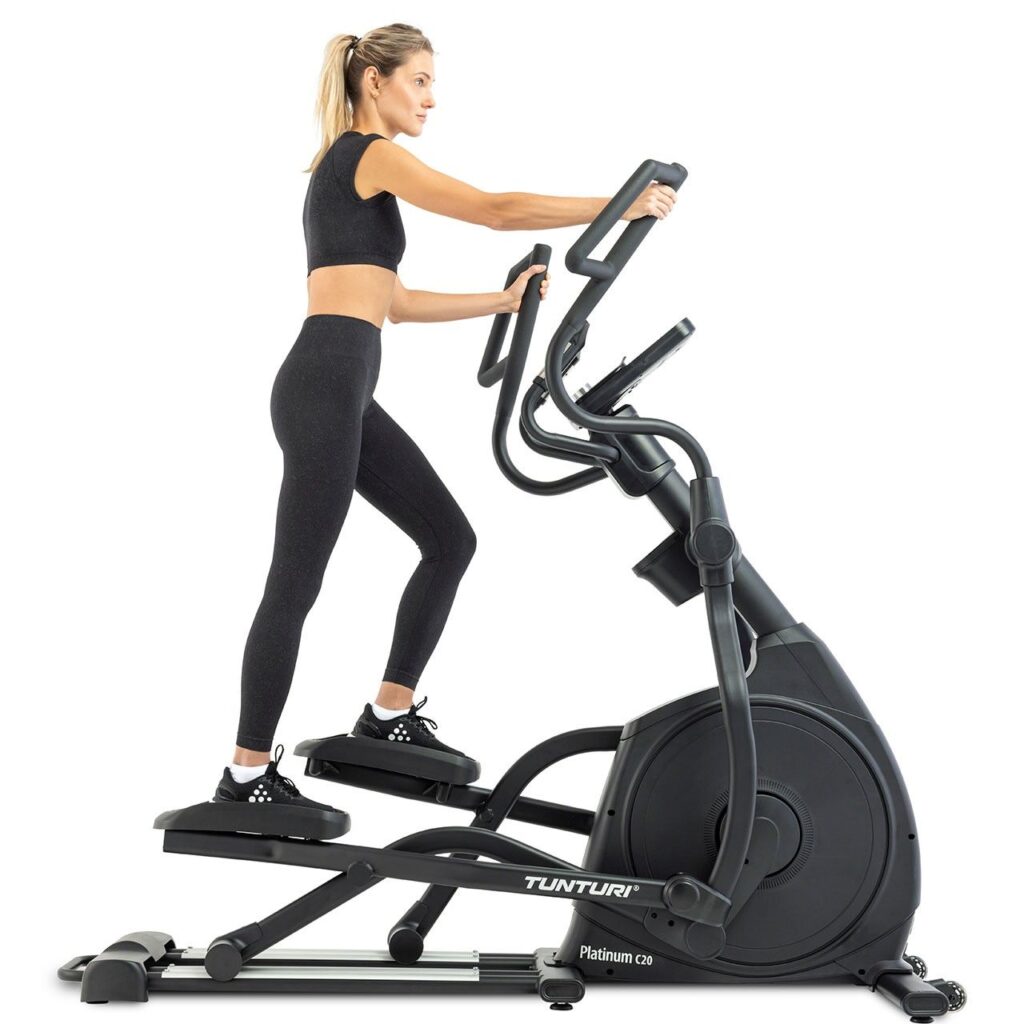
Tunturi Platinum PRO Cross Trainer
The Tunturi Platinum PRO cross-trainer impresses with its top-notch quality and is the perfect choice for discerning home users, physical therapy clinics, and public gyms. With an impressive 43 workout programs and 42 resistance levels, it offers a wide variety of workout options. Thanks to its front-wheel drive, it ensures a particularly smooth and ergonomic motion. The 7‑inch monitor and the intuitive menu navigation via a rotary knob make operation incredibly easy. A special highlight is the T‑Road feature, which lets you experience virtual routes with realistic climbs and descents. With a maximum weight capacity of 150 kg and the option to measure heart rate via the handgrips or a chest strap, this cross-trainer offers both comfort and efficiency for every workout.

Top Brands for Exercise Bikes, Cross Trainers, and Sprinter Bikes at isports
At isports, you’ll find exercise bikes, cross trainers, and Sprinter bikes from leading brands:
- Tunturi: The widest selection, ranging from entry-level E‑Series exercise bikes to C‑Series cross trainers, S‑Series Sprinter bikes, and the Platinum Pro line.
- Reebok: Known for the versatile FR30, which is available as an ergometer, cross trainer, and sprinter bike, with app connectivity and a great value for the price.
- adidas: Compact exercise bikes and ergometers, as well as dynamic sprinter bikes from the Ultra series—ideal for style-conscious beginners.
- Hyrox: The Perform Air Bike for intense interval and functional training, which uses air to generate resistance that increases as your pace increases.
- The selection is rounded out by Schwinn and Nautilus (high-performance exercise bikes and cross trainers) as well as Bowflex (indoor bikes and the Max Trainer, a cross-trainer hybrid).
Conclusion: Cross-trainer or exercise bike for your home
Whether you choose a cross-trainer or an exercise bike, both offer an effective, flexible cardio workout right in your own home. The cross-trainer is particularly versatile and easy on the joints thanks to its full-body workout, while the exercise bike focuses more on the leg and gluteal muscles and is ideal for small spaces. If you’re looking for maximum intensity, add a sprinter bike to your setup. It’s important that the device fits your goals and the space you have available. We recommend that you try out the models from Tunturi, Reebok, adidas, and Hyrox right here in our showroom in Lupfig, or explore the entire selection in the Endurance section.
Space Requirements and Noise Level: Which Appliance Is Right for Your Home?
If you live in a small apartment with limited space, an ergometer is often the better choice. Stationary bikes are generally narrow and take up little floor space, making them ideal for compact rooms. In contrast, a cross-trainer requires significantly more space. You should plan for an area of at least 70 x 160 cm, plus about one meter of open space all around to ensure your safety while exercising. You also need to take the ceiling height into account: To ensure there is enough space for the pedal motion, you should add at least 40 cm to your height.
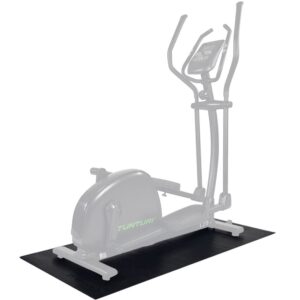
When it comes to noise levels, the exercise bike or indoor bike is usually quieter, since the movement is mainly limited to the pedals. The cross-trainer, on the other hand, can be noisier, as the standing position and the greater transfer of motion to the floor result in more noise. Vibrations and noise may occur, especially during intense workouts. Floor protection mats can help with this; they absorb sound and provide a stable surface.
Frequently Asked Questions (FAQ)
Which is better, a cross-trainer or an ergometer?
That depends on the goal. The cross-trainer works out your entire body, is particularly easy on the joints, and burns a few more calories per session. The ergometer specifically targets the legs, is quieter, takes up less space, and is ideal for beginners and rehabilitation.
Does a cross-trainer or an ergometer burn more calories?
At the same intensity, the cross-trainer tends to burn slightly more calories because more muscle groups are working at the same time. As a rough guide, you’ll burn about 300 to 400 kcal in 30 minutes, compared to 250 to 350 kcal on an ergometer. Intensity and consistency remain key.
Which is better for weight loss, a cross-trainer or a bike?
Both help with weight loss. The cross-trainer engages more muscles and allows you to work out regardless of the weather, while riding a bike outdoors offers variety and builds endurance, but is limited by the season and weather conditions. For consistent exercise throughout the year, the cross-trainer is usually the more reliable choice.
Which is easier on the joints, a cross-trainer or an ergometer?
Both are very gentle on the joints, since there is no hard impact. The ergometer provides additional relief while sitting, and a recumbent ergometer is also gentle on the back. The cross-trainer is ideal for people with joint problems who want to do a full-body workout.
A cross-trainer or an ergometer when space is limited?
When space is limited, the ergometer has a clear advantage. It’s slim, takes up little space, and is quieter. A cross-trainer requires approximately 70 x 160 cm, plus clearance space and sufficient ceiling height.
What brands of exercise bikes and elliptical trainers are available at isports?
At isports, you’ll find brands such as Tunturi, Reebok, adidas, Hyrox, Schwinn, Nautilus, and Bowflex, among others. Tunturi and Reebok offer ergometers, cross trainers, and sprinter bikes, while adidas and Hyrox are particularly strong in the areas of home exercise bikes and sprinter bikes.
And now, have fun with your workout!
Whether you choose a cross-trainer or an exercise bike, both machines offer you an effective and flexible cardio workout right in your own home. While the cross-trainer is particularly versatile due to its full-body workout and allows for a greater muscle challenge, the stationary bike focuses more on the leg and gluteal muscles. Both machines help you burn calories, improve your endurance, and boost your overall fitness. It’s important that the equipment you choose suits your personal needs and the space you have available, so that you stay motivated over the long term and achieve your fitness goals.