











































Recumbent Ergometer and Recumbent Bike for Home: Back- and Joint-Friendly Training
A recumbent ergometer, also called a recumbent bike or recumbent cycle, is the most comfortable way to train your endurance at home. Thanks to the semi-reclined seating position with a backrest and low step-through, you train in a particularly back- and joint-friendly way, ideal for rehabilitation, for back problems and for seniors. Test, compare and find the right machine. At isports.ch, that is easy. Visit our showroom in Lupfig and experience the recumbent ergometers from Tunturi live. Our experts are on hand to give you competent advice on site, so you find the model that fits you and your fitness goals perfectly. We are also there for you online at any time: order conveniently through our shop and benefit from fast delivery directly from our warehouse.
What is a recumbent ergometer?
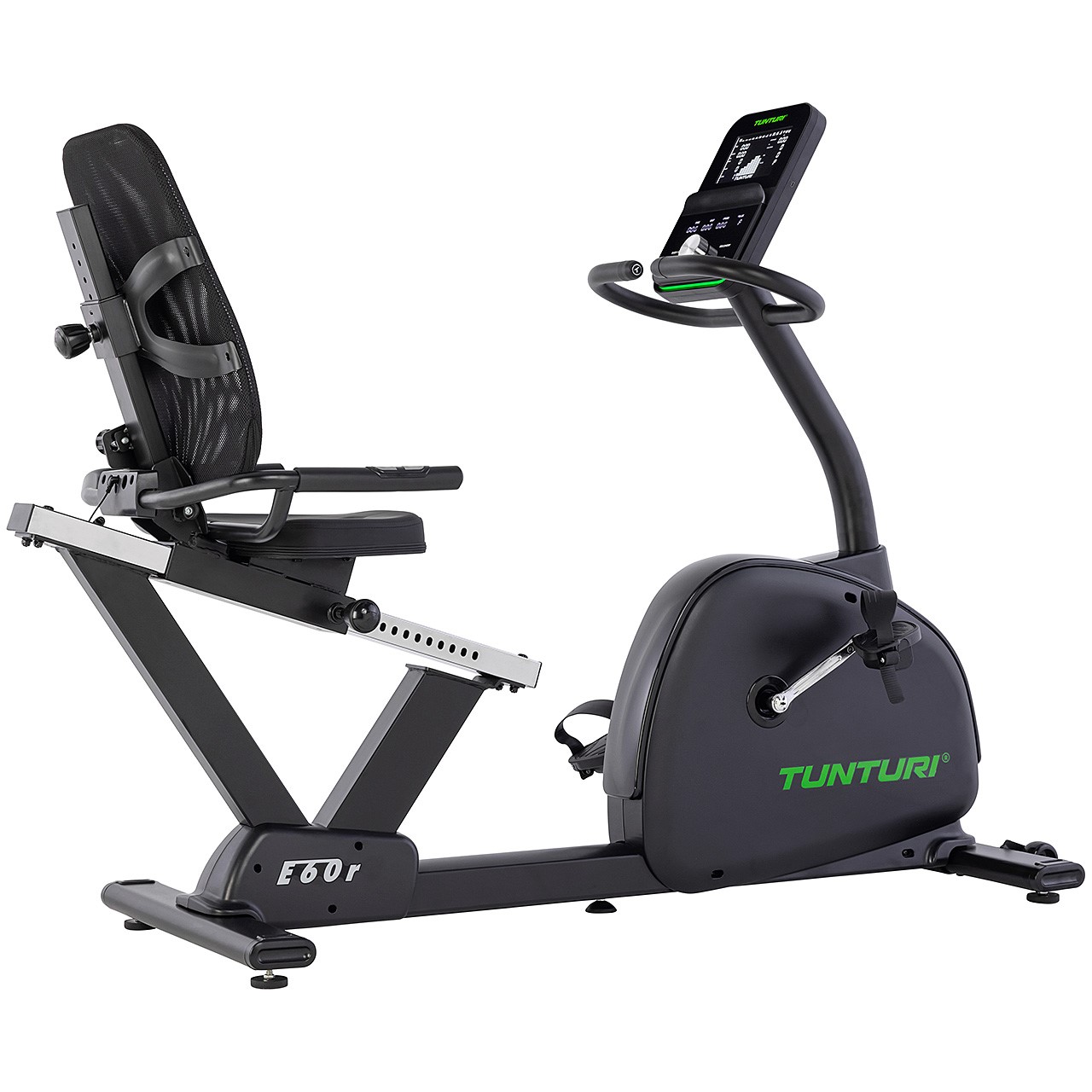
On a recumbent ergometer, you do not sit upright as on a classic exercise bike, but in a reclined position with a supported backrest and your legs stretched out to the front. This design is also called a recumbent bike or recumbent cycle. The big advantage: the low step-through makes getting on and off easy, and the backrest relieves the spine and joints. Like an upright ergometer, a good recumbent ergometer measures power output in watts and offers heart-rate-controlled programmes, just in a much more comfortable position.
The advantages of a recumbent bike for home
A recumbent bike for home combines effective cardiovascular training with maximum comfort. Because your body weight is distributed across the seat and backrest, there is no pressure on your wrists, shoulders and lower back. The training stays joint-friendly, entirely without impact, and is excellent for building fitness, burning calories and strengthening the leg muscles. Regular exercise has been proven to strengthen the heart and circulation: the Swiss Heart Foundation and the official physical activity recommendations for Switzerland advise at least 150 minutes of endurance activity per week, which is easy to achieve at home on a recumbent ergometer. You will find further training tips in the guide Effective Cardio Training at Home.
Who is a recumbent ergometer suitable for?
Especially with osteoarthritis or joint complaints, regular, joint-friendly exercise is considered an important part of the therapy, as the Swiss League against Rheumatism emphasises. A recumbent ergometer is therefore particularly suitable for:
- People with back problems: The backrest supports the spine and relieves the lower back.
- Seniors: The low step-through and stable seating position provide safety. Read more in the guide Home Trainers for Seniors.
- Rehabilitation and return to fitness: Gentle training after injuries or operations, often recommended by physiotherapists.
- Heavier users: Comfortable seat and joint-friendly movement without strain from your own body weight.
Recumbent ergometer or classic exercise bike?
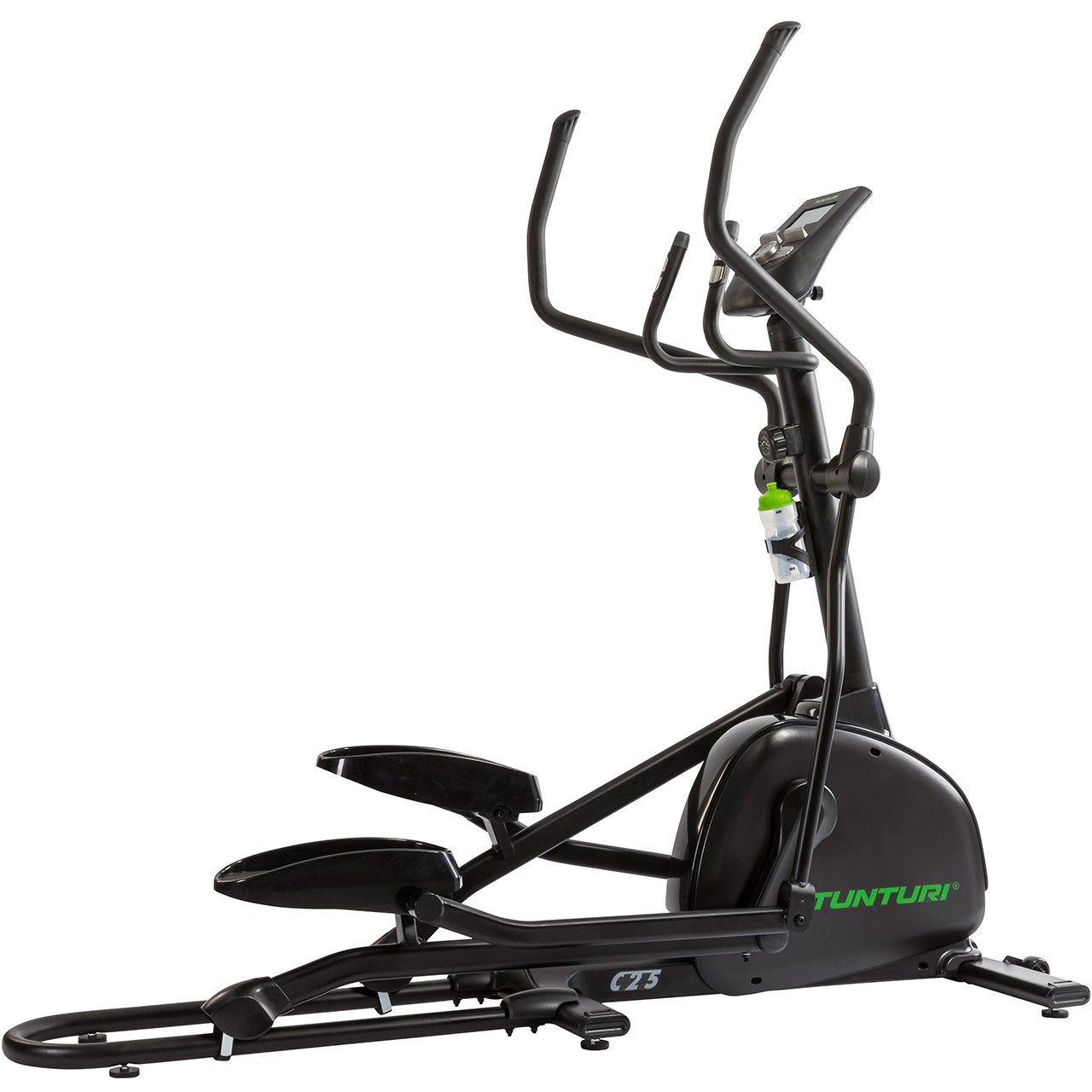
In short: a recumbent ergometer is the more comfortable, more back-friendly choice, an upright exercise bike the more compact and usually cheaper one. If you value a sportier posture or little floor space, an exercise bike or upright ergometer is a good option. An overview of all designs is available in the Home Trainers & Ergometers category. If you want to train your whole body in a joint-friendly way, a cross trainer or a rowing machine also offers an alternative.
What to look for when buying a recumbent ergometer
To make sure your recumbent bike suits you optimally, it is worth looking at these points: Adjustable backrest:
- Adjustable backrest: For an ergonomic, back-friendly seating position.
- Low step-through: Makes getting on and off easier, especially important for seniors and in rehabilitation.
- Horizontal seat adjustment: On a rail, so the machine fits your leg length.
- Resistance and programmes: An electromagnetic braking system (EMS) runs quietly, and heart-rate-controlled programmes keep you in the optimal range.
- Maximum user weight: Should be clearly above your weight, for stability and safety.
- Comfort extras: Padded seat, heart-rate measurement and app connectivity such as Tunturi Routes, Kinomap or Zwift.
Buy a recumbent ergometer at isports
At isports, the official Tunturi general importer for Switzerland and Liechtenstein, you buy your recumbent ergometer directly from the specialist. A proven model is the Tunturi E60R Signature recumbent ergometer with a low step-through, adjustable backrest and app connectivity. In our showroom in Lupfig, you can test-ride the recumbent bike and get personal advice.
Frequently asked questions about the recumbent ergometer
What is a recumbent ergometer?
A recumbent ergometer is a stationary bike with a semi-reclined seating position and backrest, also called a recumbent bike or recumbent cycle. It trains the heart, circulation and leg muscles in a particularly back- and joint-friendly way.
Who is a recumbent bike for home suitable for?
Ideal for people with back problems, for seniors, for rehabilitation and for those returning to fitness. The stable seating position and low step-through make the training safe and comfortable.
Is a recumbent ergometer good for your back?
Yes. The supported backrest relieves the spine and lower back while you train your endurance and leg muscles at the same time. This is why it is often used in physiotherapy.
Recumbent ergometer or upright ergometer, which is better?
The recumbent ergometer is more comfortable and more back-friendly, the upright ergometer more compact and sportier. For back complaints or in rehabilitation, the recumbent bike is usually the better choice.
What does a recumbent ergometer cost?
Good recumbent ergometers usually cost between CHF 900 and CHF 1,500, with high-quality models offering more comfort and programmes costing more. The Tunturi E60R Signature, for example, is available for CHF 1,199 (as of July 2026).