

What should You eat after strength training? This is a question that divides opinions. Perhaps you’ve seen one of your friends immediately enjoy a protein shake after the last exercise, while another prefers to wait half an hour, avoiding energy bars due to their sugar content and opting for low-carb meals instead. So, which is correct? And does sports nutrition perhaps depend on something entirely different than timing and calories?
Why is Proper Nutrition After Strength Training Crucial?
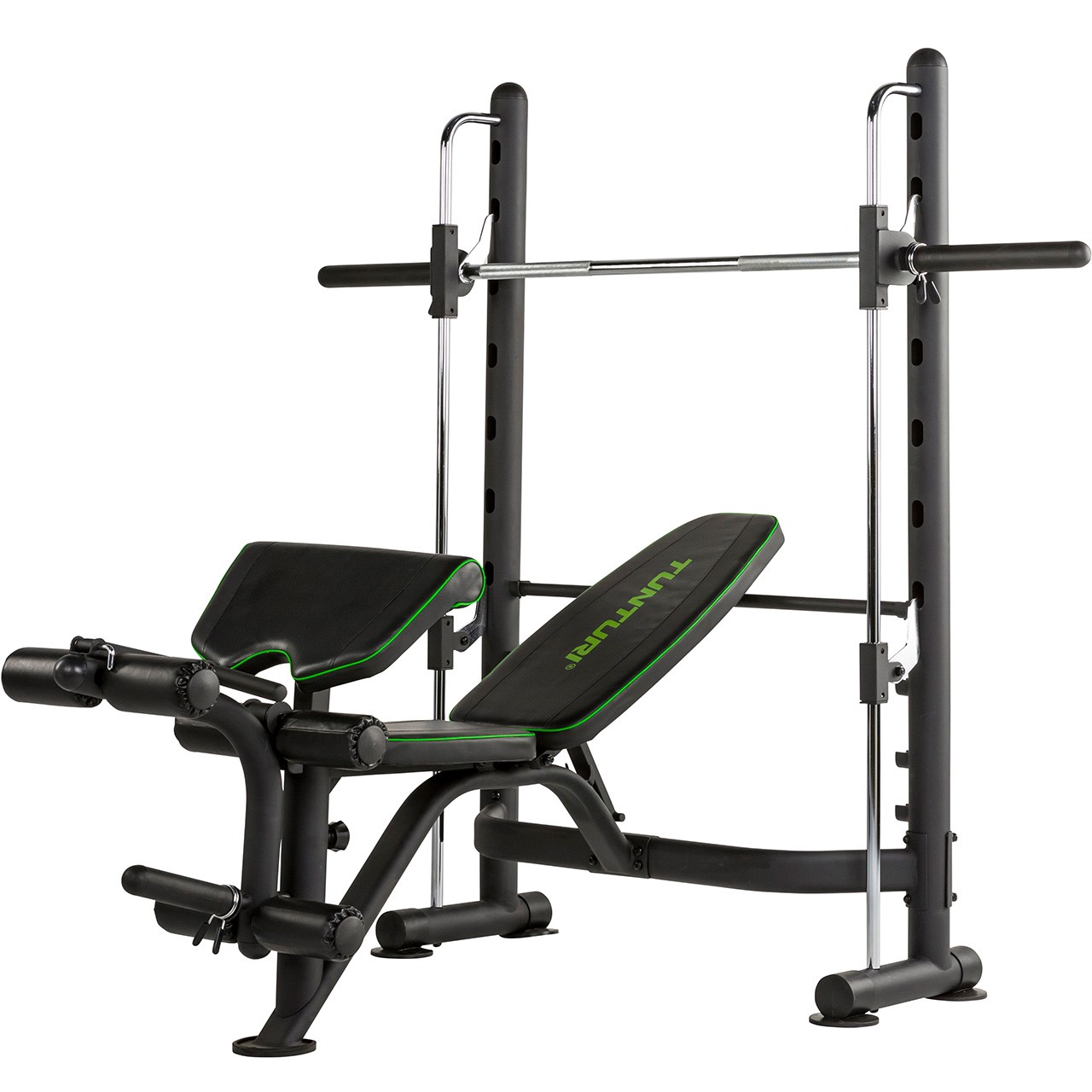
Strength training causes microscopic tears in muscle fibers. As the body repairs these injuries, it forms more fibers than before, making the muscles larger and stronger. For this process, the body needs proteins (amino acids), as they are the building blocks of all cells.

Additionally, the body needs to replenish its glycogen stores. Glycogen is the stored form of glucose, and when you train hard, your body draws energy from these glycogen reserves. After training, these stores must be replenished with new carbohydrates. If the carbohydrate stores are empty, the body will use not only fat reserves but also muscle tissue to meet its energy needs, leading to muscle loss rather than muscle gain.
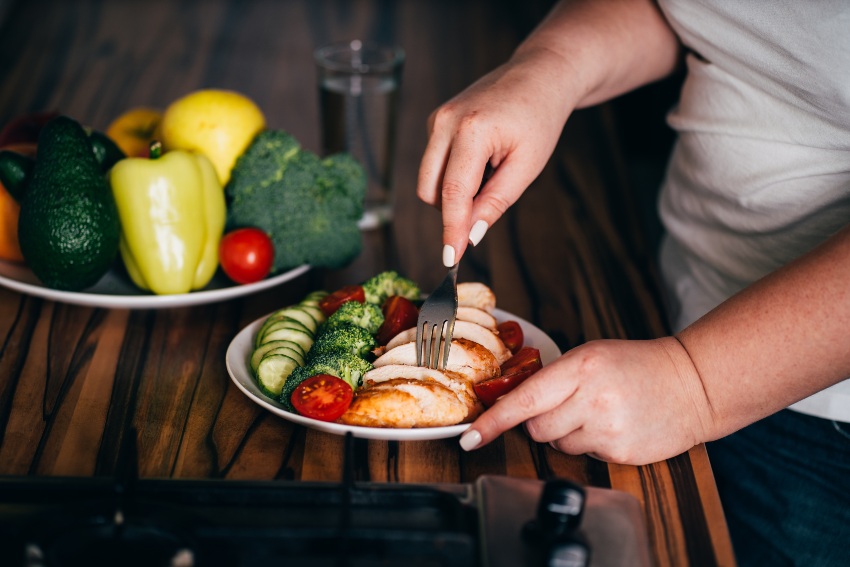
For these reasons, it makes sense to consume a meal that contains both proteins and carbohydrates after strength training. This helps prevent hunger and the breakdown of your body’s own protein while replenishing energy stores and aiding muscle recovery and growth.
© Vadym — stock.adobe.com
Proteins, Fats, and Carbohydrates: The Macronutrients Your Body Needs
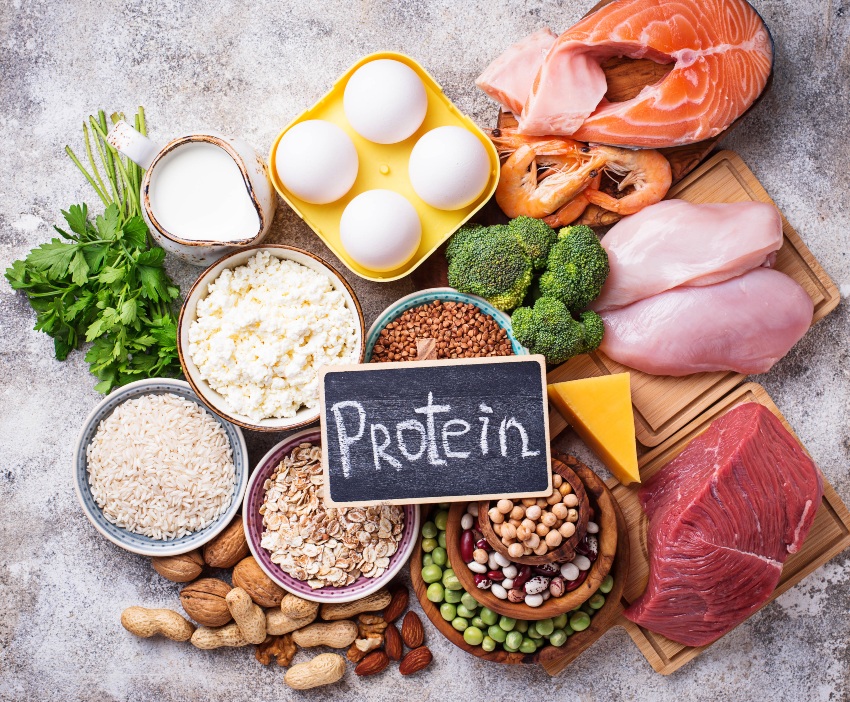
After strength training, you primarily need one thing: protein. The body converts protein from food into its own proteins, which it uses to build new muscle fibers. Additionally, a protein-rich diet can strengthen the immune system and improve skin appearance. Many animal products like eggs, fish, and poultry are optimal protein sources. Dairy products such as quark and cottage cheese are also high in protein. Alternatively, you can consume plant-based protein sources like tofu, tempeh, nuts, beans, and legumes.
© Yulia Furman — stock.adobe.com
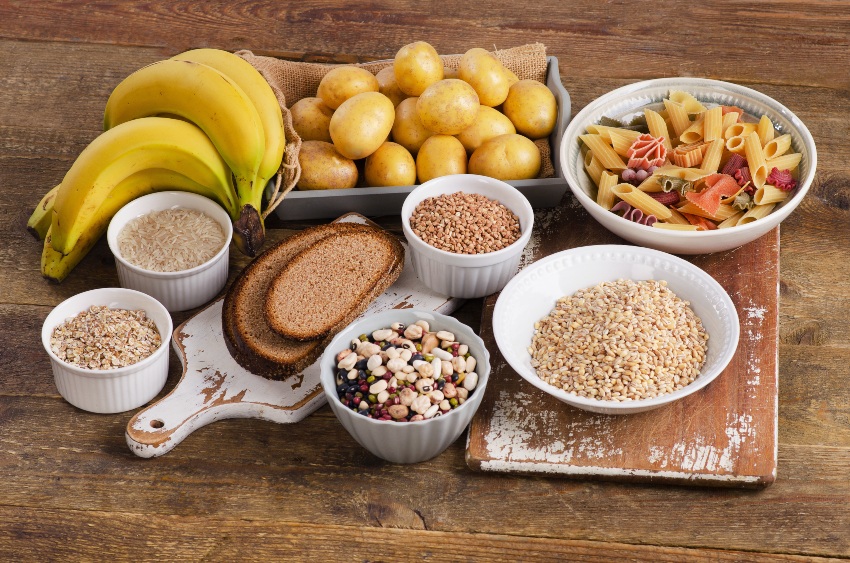
Carbohydrates are the body’s primary energy source. To replenish the energy burned during training, complex (slow) carbohydrates are best. These provide long-lasting energy, unlike simple (fast) carbohydrates. Complex carbohydrates can be found in starchy vegetables like peas and potatoes, as well as in legumes, whole grains, brown rice, and quinoa. Fast carbohydrates are mainly found in fruits and baked goods.
© bit24 — stock.adobe.com
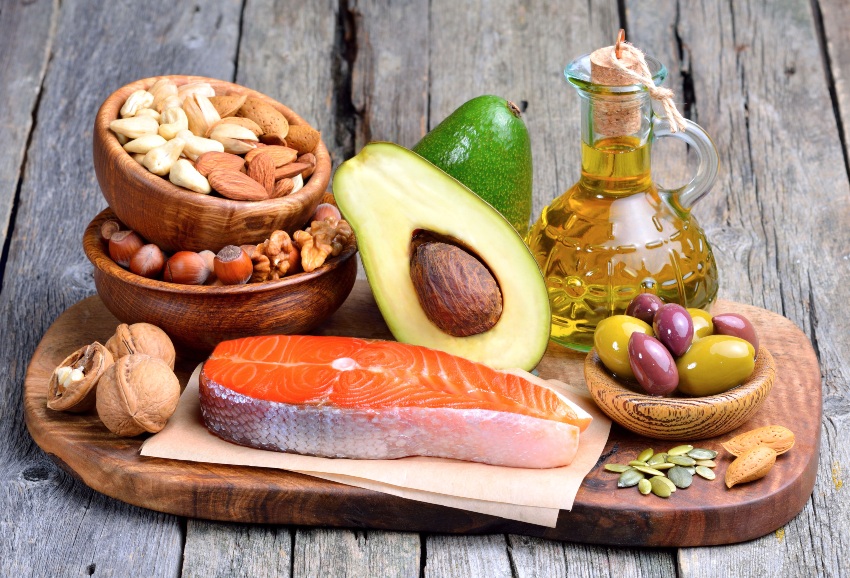
The third macronutrient, fat, plays a secondary role in strength training. Healthy omega‑3 fatty acids can be consumed in moderation to support recovery. Examples include fish, avocado, and flaxseed oil. Saturated fat, found in butter and fatty meats, should be avoided as it can negatively affect cardiovascular health and cholesterol levels.
© craevschii — stock.adobe.com
The Anabolic Window: When Can I Eat After Strength Training?
The word “anabolic” means “muscle-building.” The anabolic window refers to a limited time after strength training in which athletes should eat. The reason for this is that during this period, the body can most effectively absorb macronutrients and use them for recovery and muscle growth. This period is also known as the “protein window.”
It is commonly believed that the anabolic window lasts only half to three-quarters of an hour after a workout. However, scientists have shown that protein synthesis (the process of using protein) is increased after exercise, but this state lasts up to 48 hours — much longer than just 45 minutes. Instead of an anabolic window, there is more of an anabolic “front door.”
Nonetheless, it is still not wrong to have a snack about 30 minutes after training and a full meal within 45 to 120 minutes after a workout. Even though your body can still utilize nutrients later, it needs fresh energy shortly after training. What’s more important than the timing of your post-workout meal is overall balanced nutrition. Make sure to get enough protein, carbohydrates, fats, and vitamins throughout the day.

© surachetkhamsuk — stock.adobe.com
Small Snacks: What Can I Eat Right After Strength Training?
You should not eat immediately after finishing your workout. At this point, your heart rate is still elevated, and digesting right away could overwhelm your body. Take some time to shower and change before having your first snack. This snack should provide your body with protein and some sugar. A ripe banana, for example, is a great option, and a fruity protein shake is a classic choice.

Ideas for Your Post-Workout Meal Plan: Top Recipes After Training
For glycogen synthesis to occur, the body needs to release insulin. This process is optimized when you consume both carbohydrates and protein together. A well-rounded post-workout meal should consist of 60% slow carbohydrates and 30% protein. Vegetables should always be part of the meal.
Here are seven meal ideas to create the optimal plan for muscle building:
- Make a classic chili con carne with ground meat and vegetables, paired with rice. Legumes like kidney beans, lentils, and chickpeas provide extra protein.
- Zucchini are low in calories but packed with vitamins and minerals. Sauté thin zucchini strips in a bit of olive oil and enjoy them with tomato sauce and cottage cheese.
- Try potatoes with eggs and tuna, an avocado omelet, whole grain pasta with turkey and vegetables, or salmon fillet with quinoa.
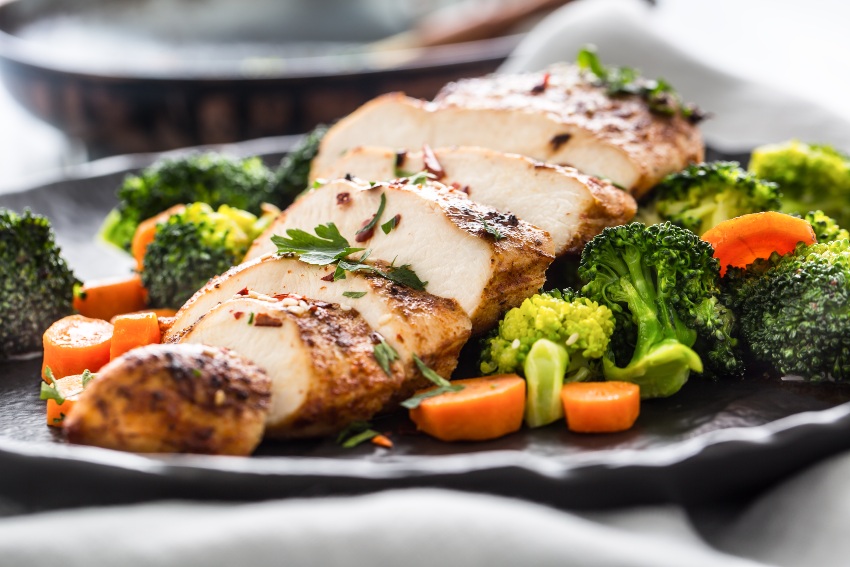
- A real classic: chicken breast with brown rice and vegetables, especially delicious with bell peppers or broccoli. If you don’t like chicken, you can replace it with turkey or fish.
© weyo — stock.adobe.com
What Should Vegans Eat After Strength Training?
Vegetarians and vegans can eat the same post-workout meals as omnivorous athletes. They simply need to choose plant-based protein sources.
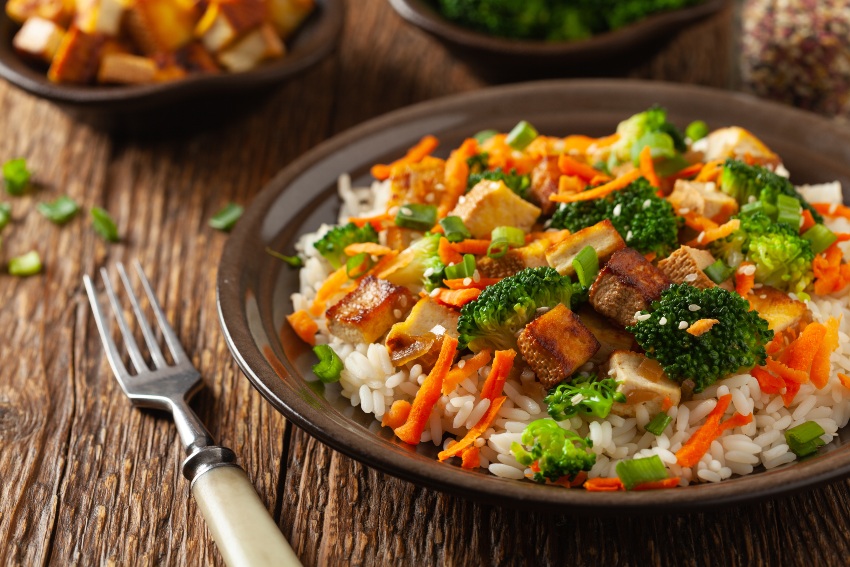
- A savory rice dish with vegetables can be paired with smoked tofu or sautéed tempeh instead of chicken or turkey breast.
- Enjoy a hummus dip with roasted vegetables: starchy vegetables provide carbohydrates and fiber, and chickpeas in the hummus supply the protein.
- Make a vegan okonomiyaki, a Japanese vegetable pancake, using cabbage, zucchini, spelt flour, and pea protein.
- Combine whole wheat or protein pasta with fresh vegetables, smoked tofu, and a sesame dressing for a protein-rich bowl.
- A protein-packed cheese sauce for vegan mac & cheese can be made with coconut milk, tapioca flour, nutritional yeast, lentils, and cashews.
© gkrphoto — stock.adobe.com
As long as you ensure you’re getting enough protein, carbohydrates, and vitamins, a vegan diet in strength training is well-balanced. The most important thing is not when you eat or your dietary choice, but that you eat a balanced meal.