
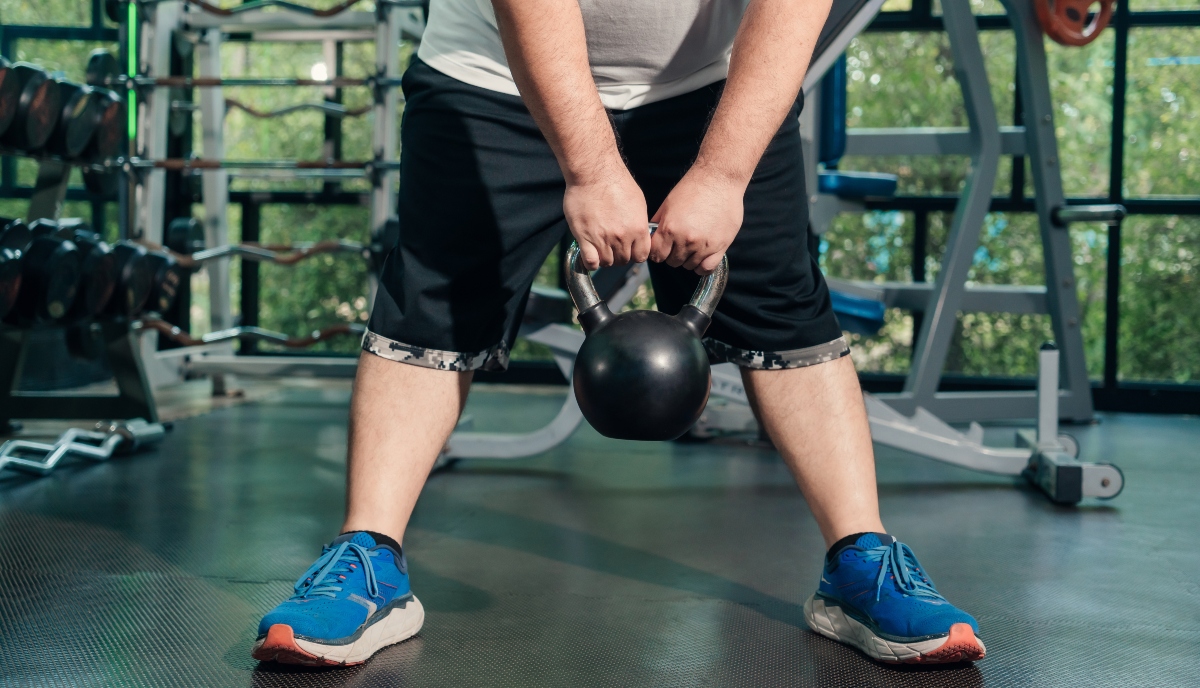
« Is it really effective? »
If you plan to lose a few pounds and shed some belly fat, you’re probably first thinking about cardio sessions on the treadmill, excercise bike or elliptical trainer. But did you know that dumbbell and strength training can be just as effective for weight loss? Even though these types of training are often associated with building muscle, they not only help you get stronger but also burn fat and support long-term weight loss. In this article, you’ll learn why weight training is a perfect addition to your weight loss plan and how the right combination of strength training, nutrition, and some cardio can help you achieve your goals faster and more sustainably.
Which workout is ideal for weight loss?
If you want to lose weight, you don’t have to choose between cardio and weight training. Both forms of exercise offer benefits that complement each other perfectly. However, many people underestimate the role of weight training in weight loss, as it is often associated with building more muscle than with shedding pounds. In reality, weight training not only increases calorie burn during the workout, but it also boosts your basal metabolic rate in the long term. Building muscle mass ensures that your body burns more calories even at rest. By combining cardio and weight training, you can achieve particularly effective results and accelerate your weight loss success.
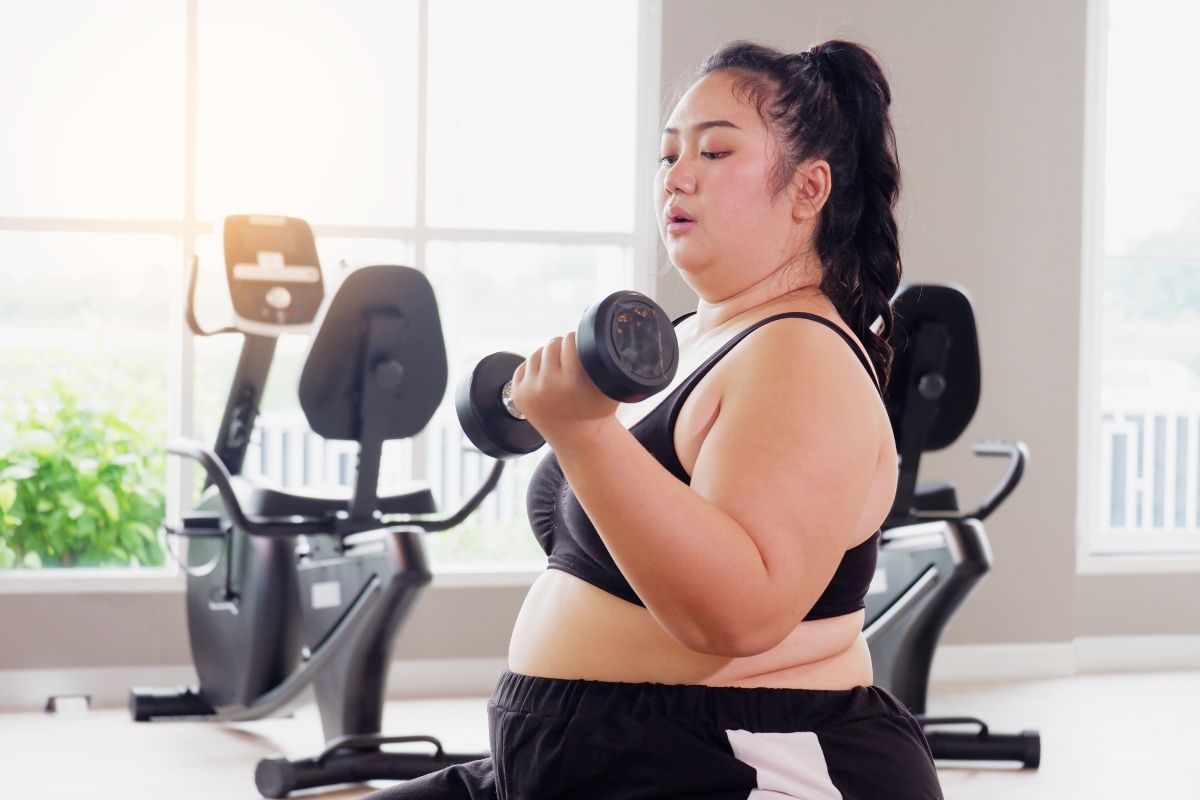
© krongthip — stock.adobe.com
Why weight training works for weight loss
Regular weight training helps you maintain muscle mass while on a calorie deficit diet. During a diet, the body typically doesn’t build additional muscle. Instead, strength training ensures that you prevent muscle loss, which is often caused by the calorie deficit during weight loss. Muscles are energy-intensive, meaning your body burns more calories even when you’re not actively moving. By preserving your muscle mass, your basal metabolic rate remains high, supporting your weight loss success and making it easier to maintain your weight in the long term.
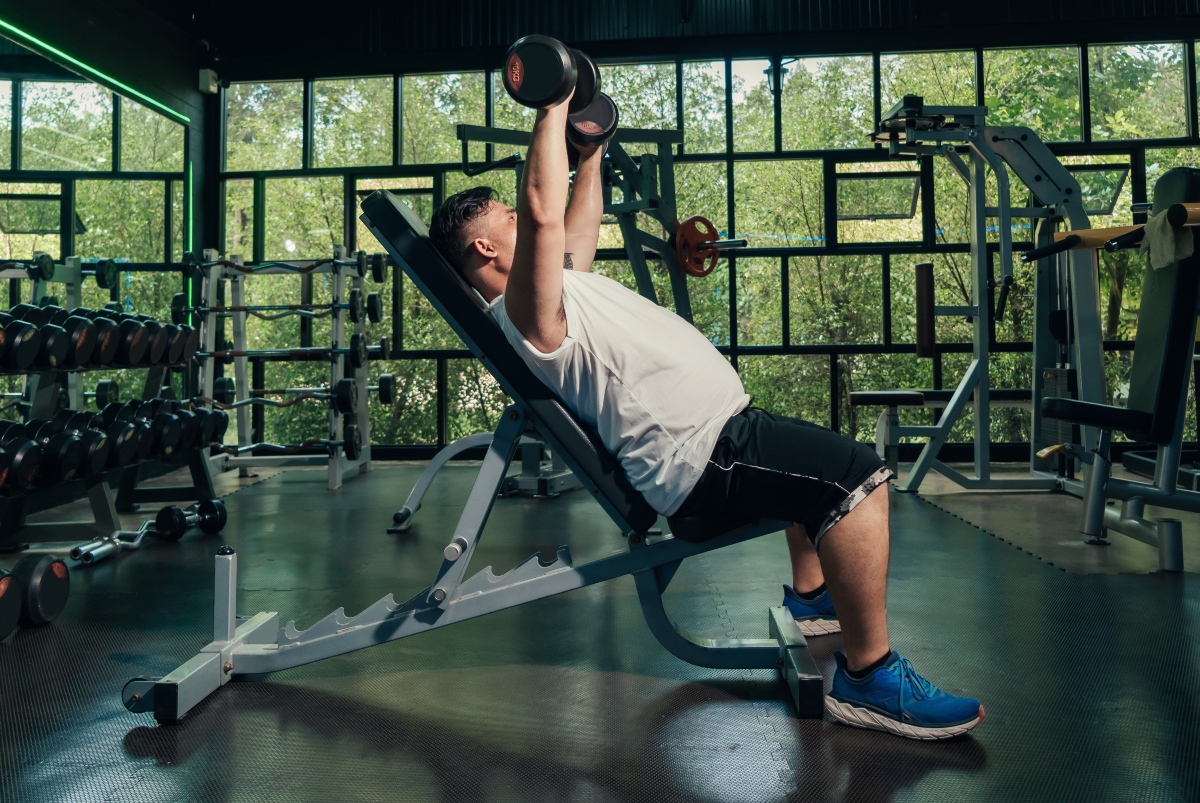
Compared to cardio, strength training has another advantage: your muscles continue to burn calories even after the workout. During cardio, calorie burn mainly occurs during the session, while strength training maintains this effect beyond the workout itself. The reason for this is the EPOC effect (Excess Post-Exercise Oxygen Consumption), also known as the “afterburn effect.” This occurs because the body requires more energy after an intense strength training session to recover and perform processes such as lactate removal, muscle repair, and glycogen replenishment. As a result, calorie burn remains elevated for several hours to up to a day after the workout. The majority of this additional calorie burn happens in the first few hours post-workout, but even later, the body continues to burn more calories than it would at rest. This afterburn effect significantly contributes to fat burning and long-term weight loss success.
© ME Image — stock.adobe.com
Without targeted nutrition, weight loss with strength training isn’t sustainable
Basic rule: If you want to lose body weight, you need to burn more calories than you consume in food. This is achieved through a calorie deficit, which is the foundation for any successful diet. Regardless of the type of training you prefer, this principle remains crucial. However, when it comes to weight loss with strength training, there is a particular challenge: muscle recovery after intense sessions. This is where targeted nutrition comes into play, helping you prevent muscle loss and preserve your muscle mass during the weight loss process. Protein plays a central role here, as it is the building block for muscles, and the body efficiently uses it to repair and maintain muscle tissue.

© Rawpixel.com — stock.adobe.com
Equally important is when and what you eat around your strength training sessions. Before your workout, you should consume carbohydrate-rich foods, as carbohydrates are the primary energy source for your muscle cells. They provide the muscles with the necessary energy to perform strength training intensely and effectively. A light snack, such as a banana, about half an hour before your session, is an excellent pre-workout meal. After strength training, it’s crucial to have a protein-rich meal to help regenerate and maintain muscle mass. In addition to specialized protein shakes or bars, foods like cottage cheese, eggs, or quark provide high-quality proteins that optimally support your body.
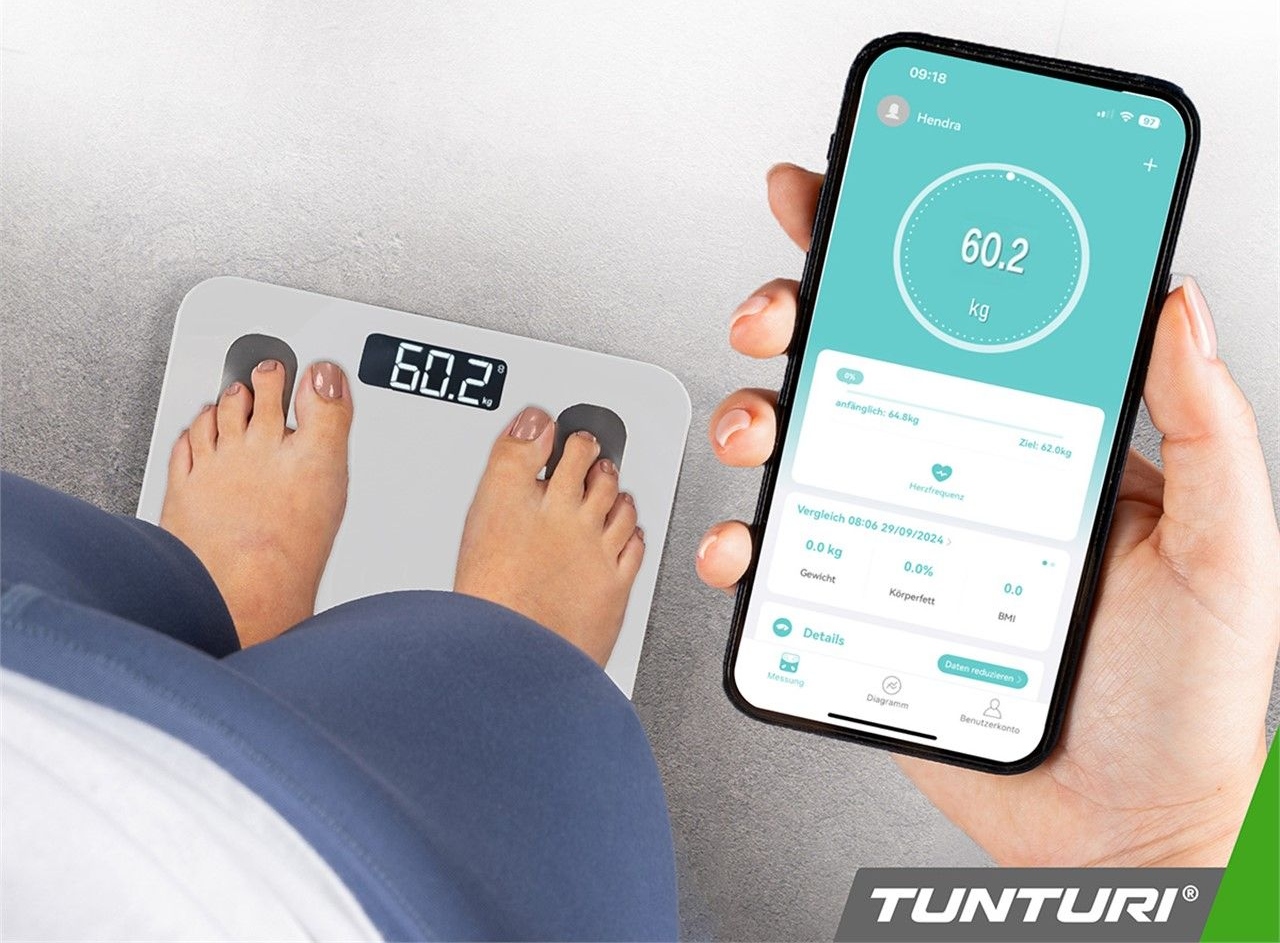
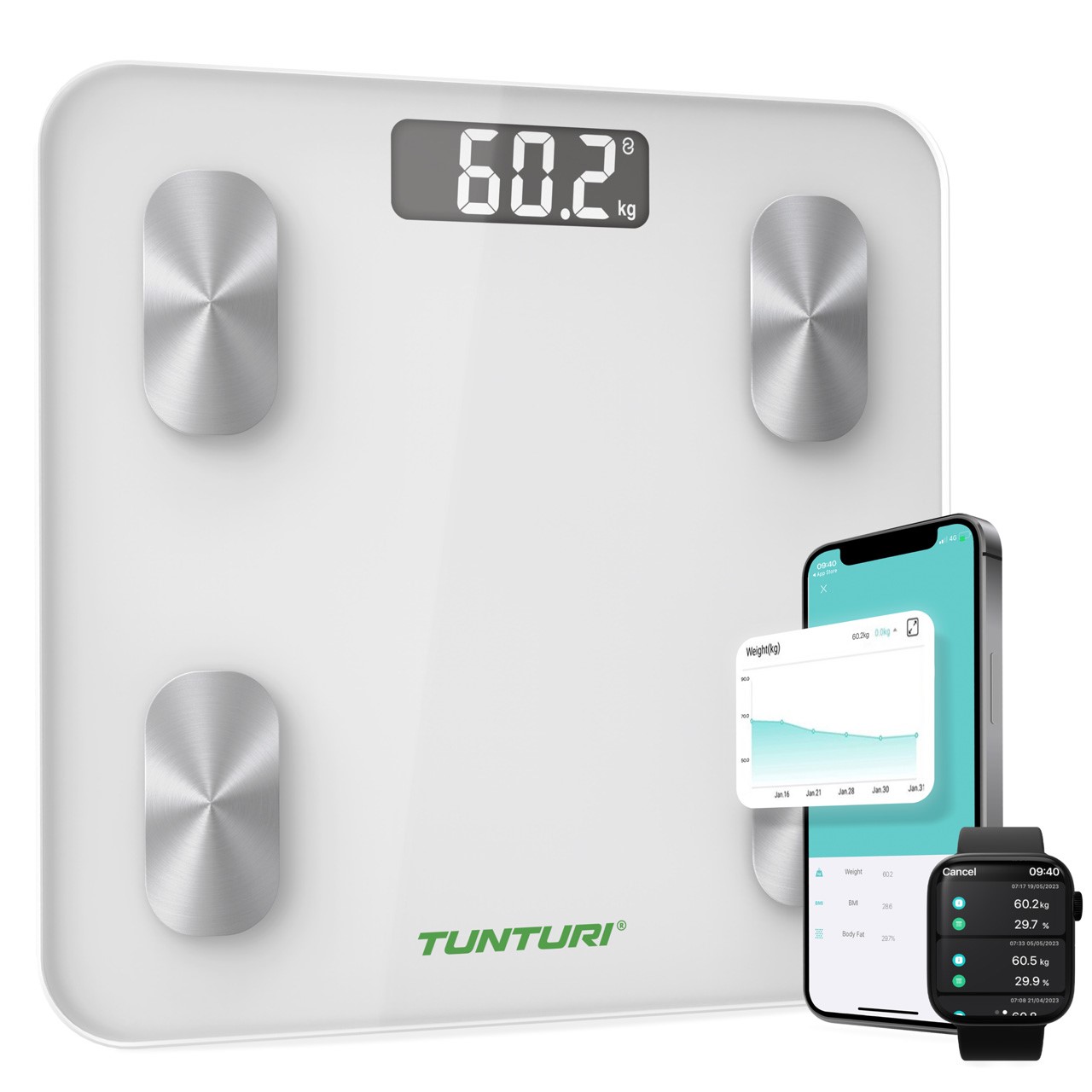
Losing Weight with Weights and Cardio Combined
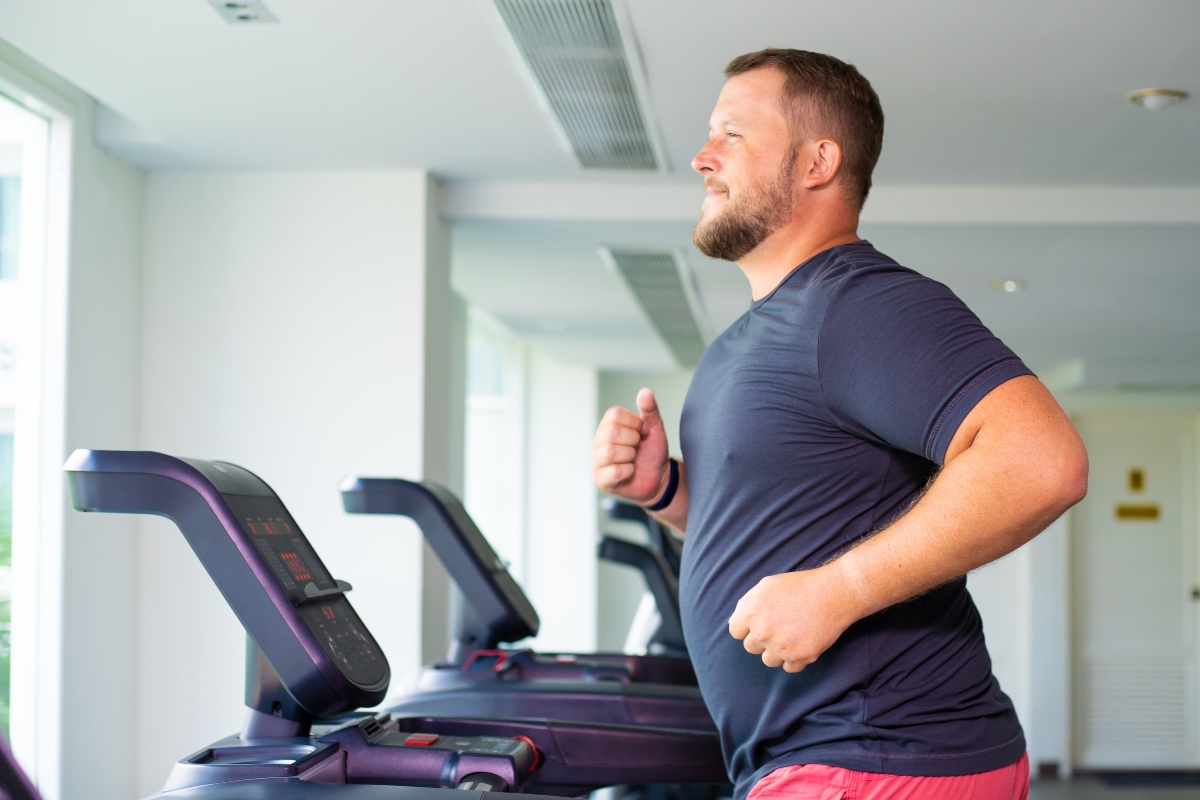
When it comes to weight loss, the question often arises whether to focus on endurance or strength training. However, instead of choosing between the two training methods, combining weight training and cardio offers the greatest benefits. These two forms of exercise complement each other perfectly to maximize fat loss. While strength training boosts the basal metabolic rate and preserves muscle mass, cardio promotes fat burning and increases calorie consumption. Strength training alone is extremely effective for maintaining muscle and getting the body into a state where it burns more calories even at rest. However, to further enhance fat burning and accelerate weight loss, cardio comes into play.
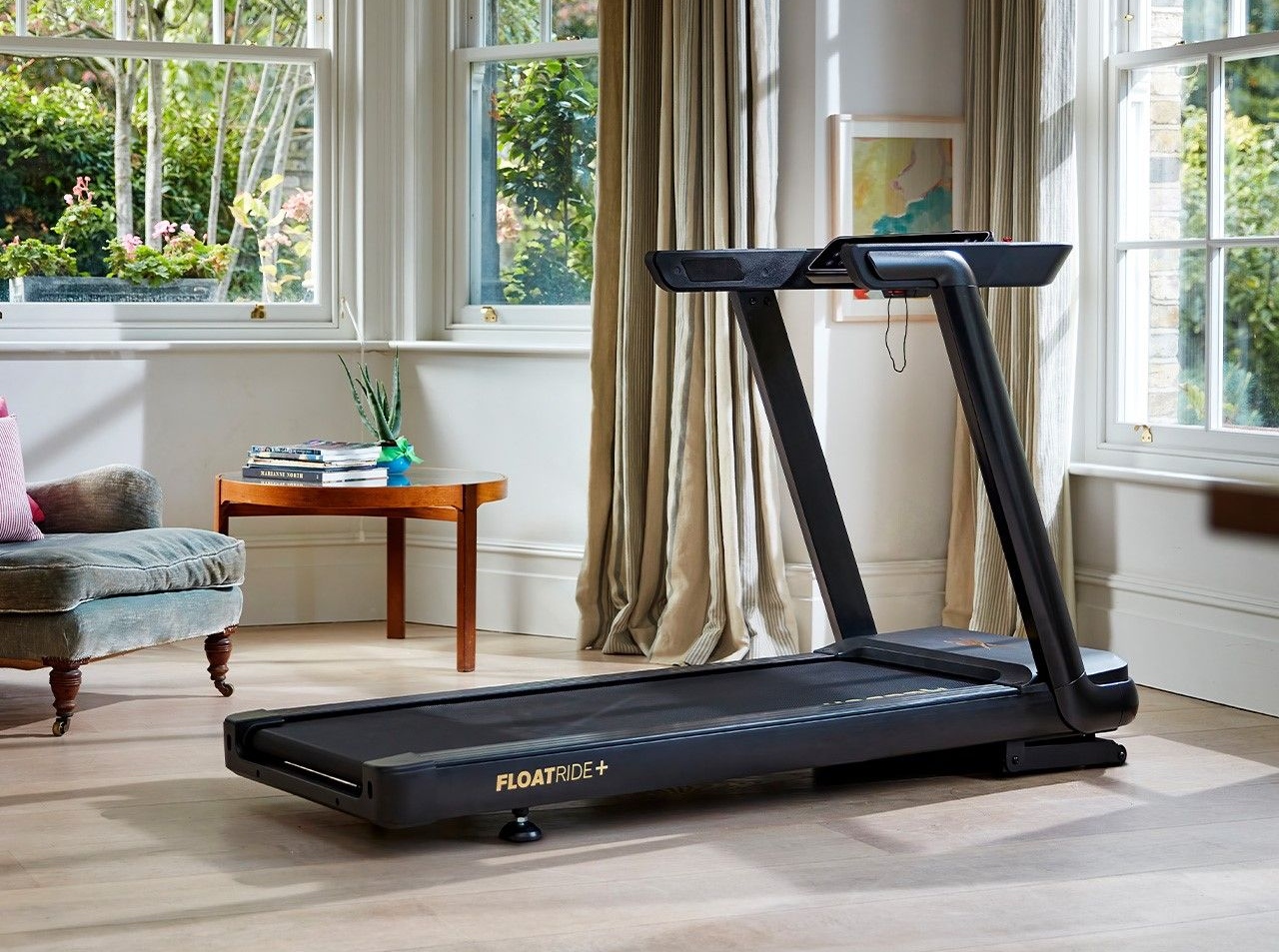
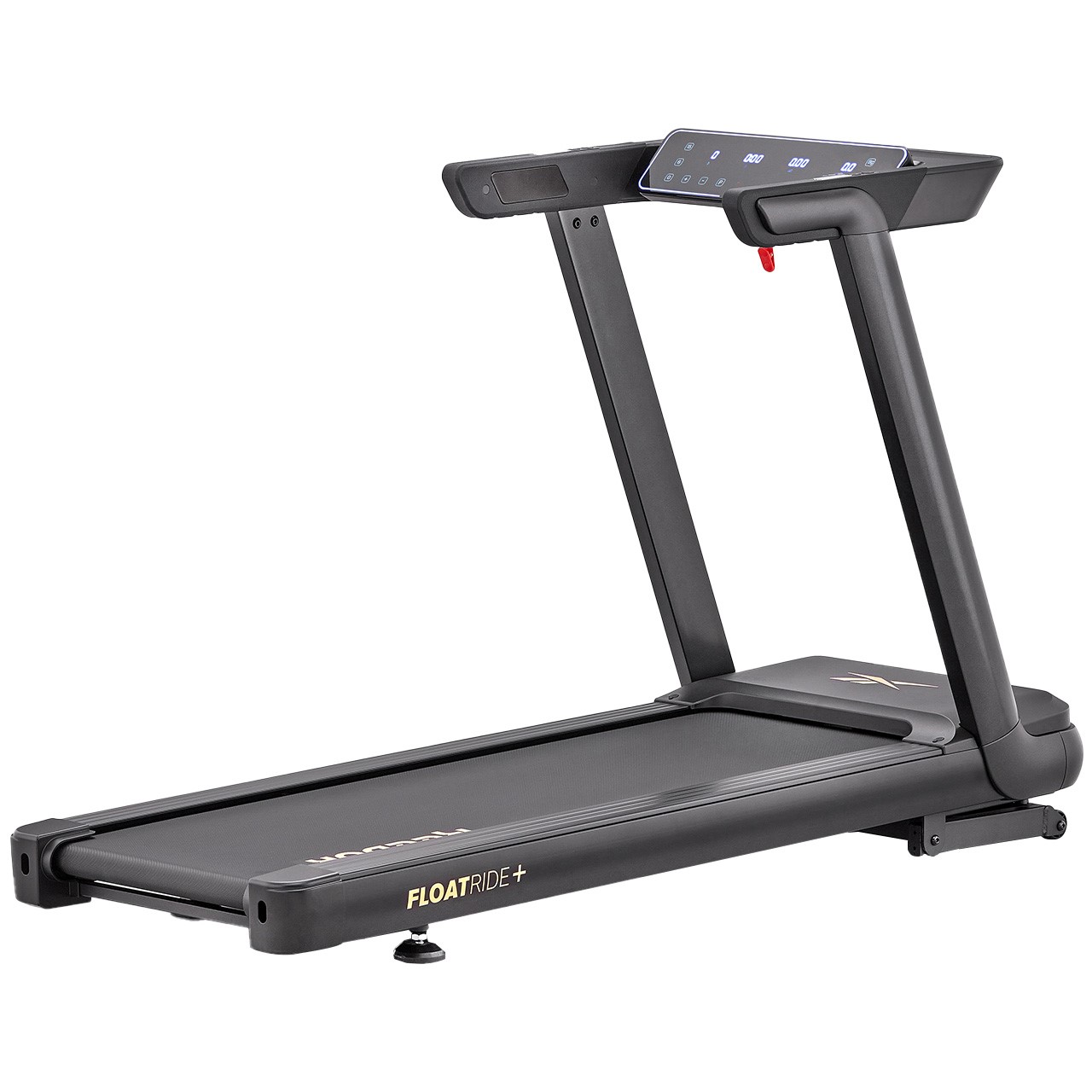
It helps target fat reserves directly and burn additional calories, especially during the recovery phases after workouts. Cardio exercises are ideal for promoting fat burning without compromising muscle growth. Combining both types of training ensures you benefit from the best of both worlds: with weight training, you preserve your muscle mass and increase your basal metabolic rate, while cardio intensifies calorie burning. A particularly effective method is HIIT (high-intensity interval training), which you can perform after your weight training. The short, intense work phases of 20 to 60 seconds, alternating with recovery periods, increase your calorie consumption and promote fat loss—even long after the workout.
© Denis — stock.adobe.com
Effective Exercises for Weight Loss with Dumbbells – Even with Minimal Equipment
For many exercises in dumbbell training, you don’t need much equipment, making it especially easy to train effectively at home. Some of the most effective exercises for weight loss are the so-called compound exercises, which target multiple muscle groups at once, making them particularly efficient for muscle building and fat burning. These include:
Squats
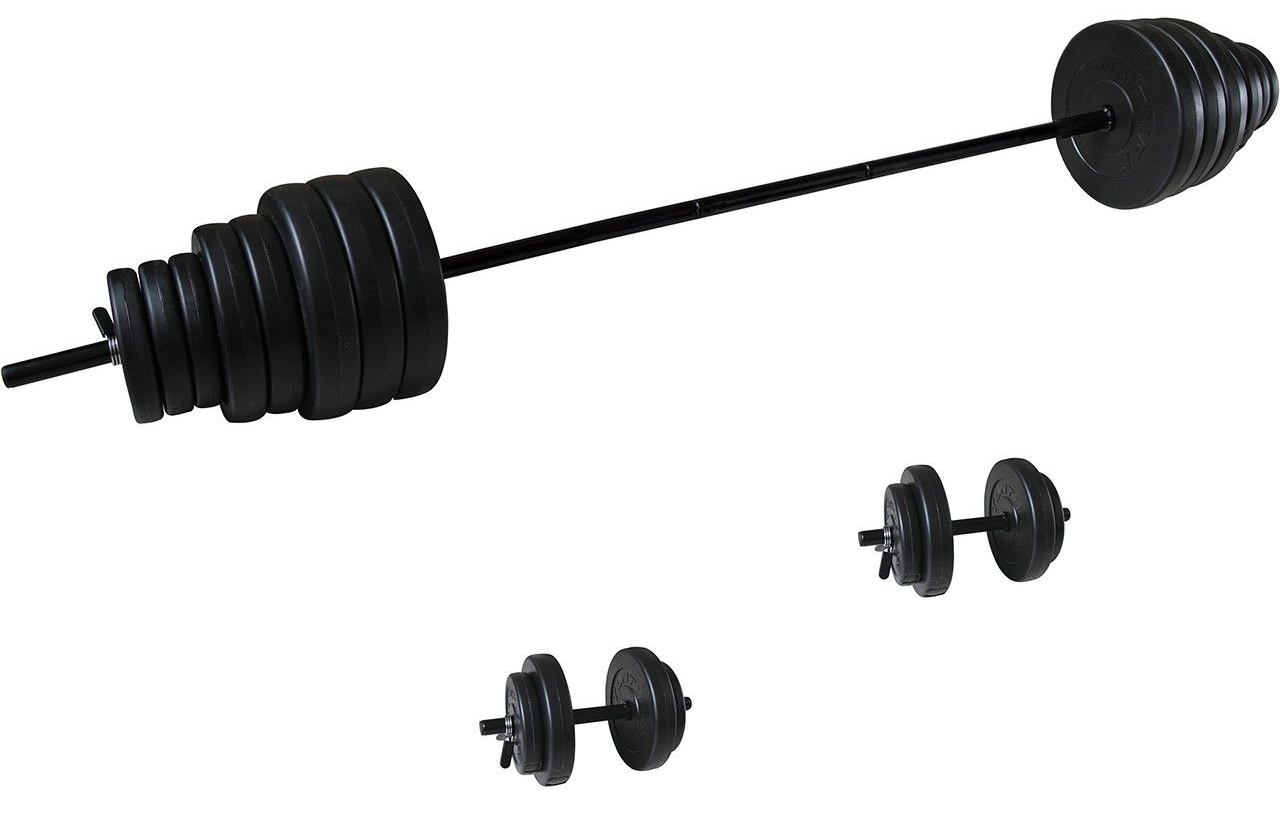
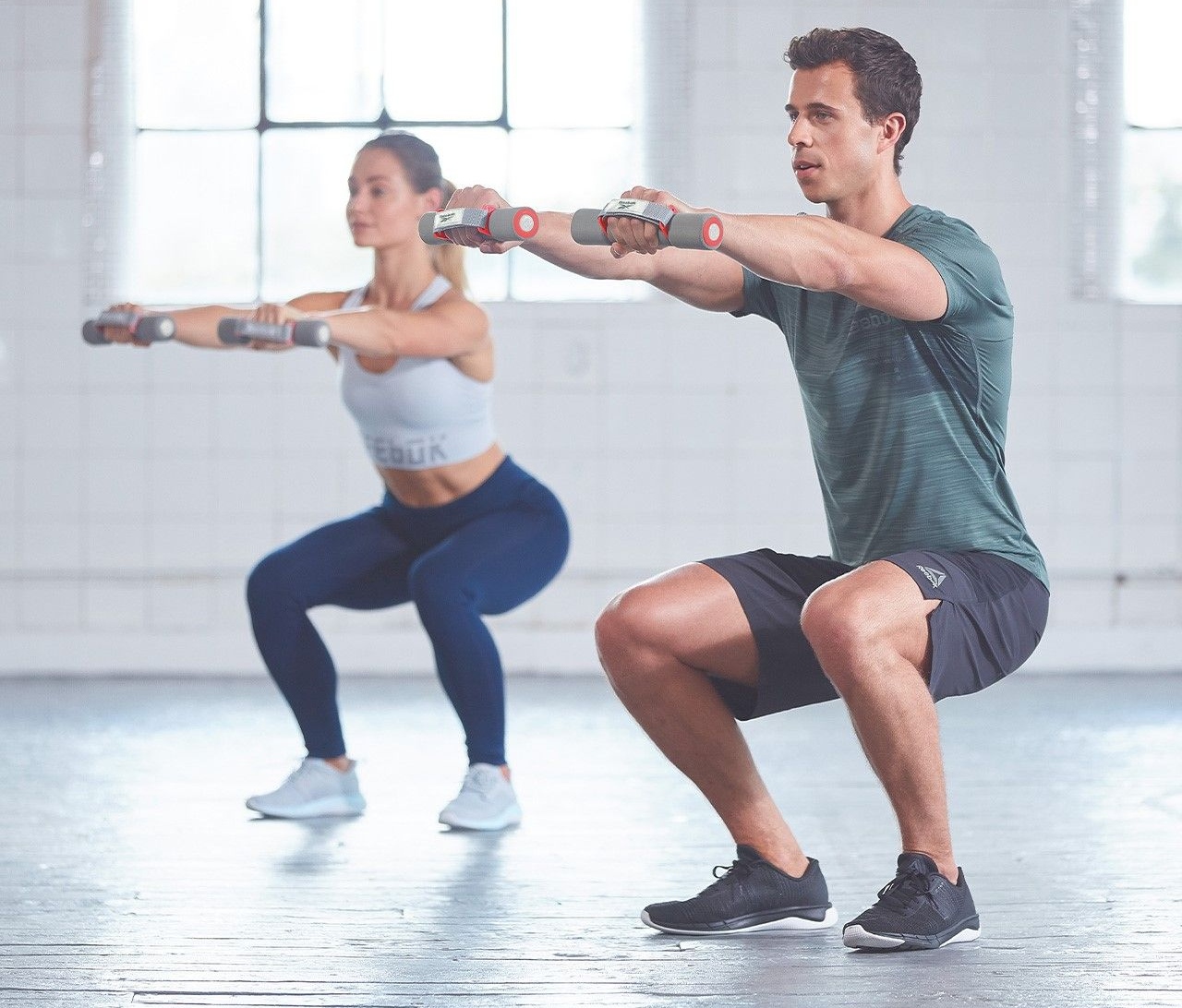
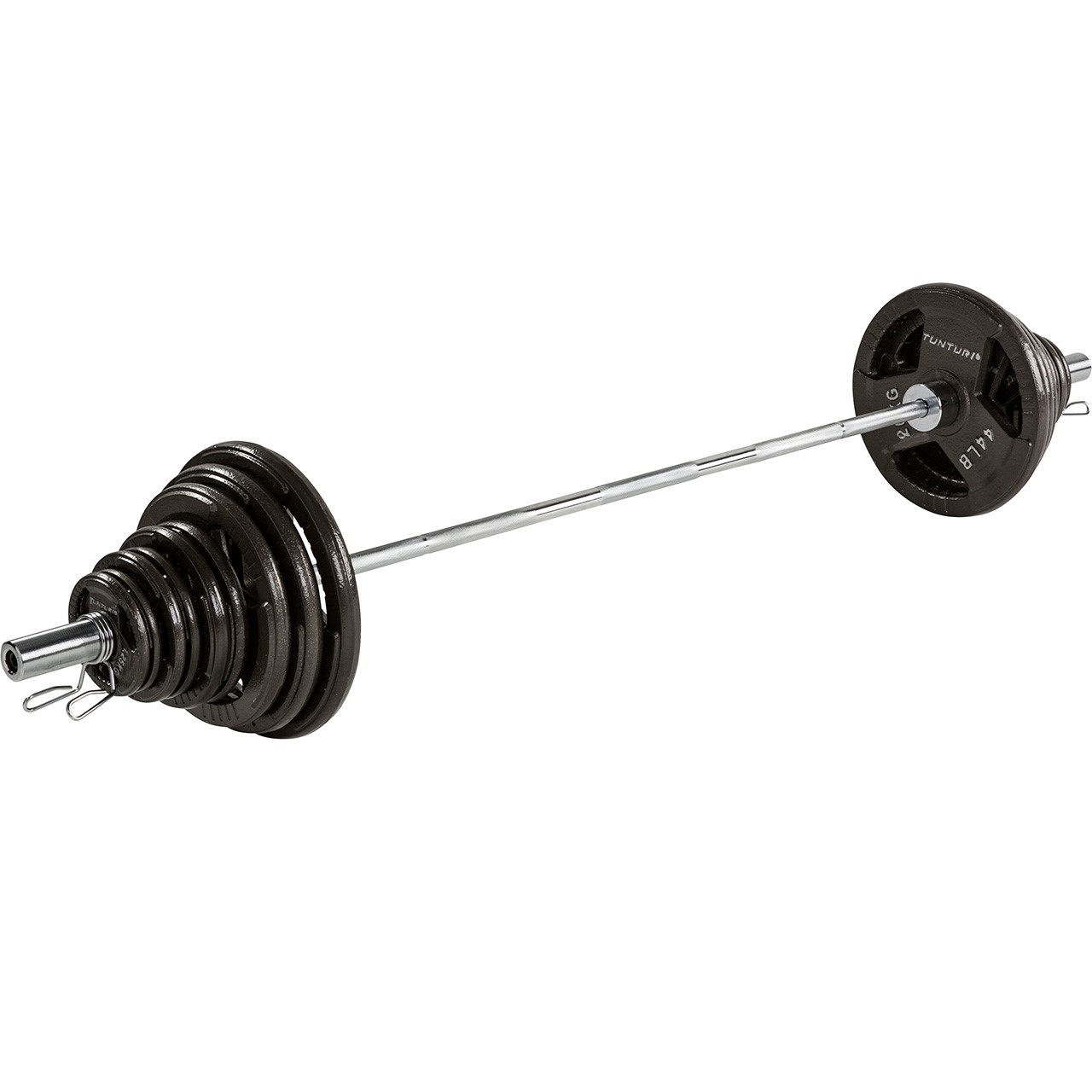
Squats are one of the best exercises to strengthen your legs, glutes, and lower back. Normally, this exercise is performed with a barbell resting on your shoulders. If you don’t have a barbell and weight plates, you can still do squats using dumbbells. Hold one dumbbell in each hand at your sides or, for an added challenge, perform the exercise as a goblet squat. In the goblet squat variation, hold a dumbbell with both hands in front of your chest, with your elbows pointing downward. Lower your body by pushing your hips back and bending your knees, as if you were going to sit down on a chair. Make sure to keep your back straight and your weight on your heels. When your thighs are parallel to the ground, push yourself back up strongly through your heels to return to the starting position. This variation intensely activates the quadriceps (thighs), glutes (buttocks), and calves.
Bench Press
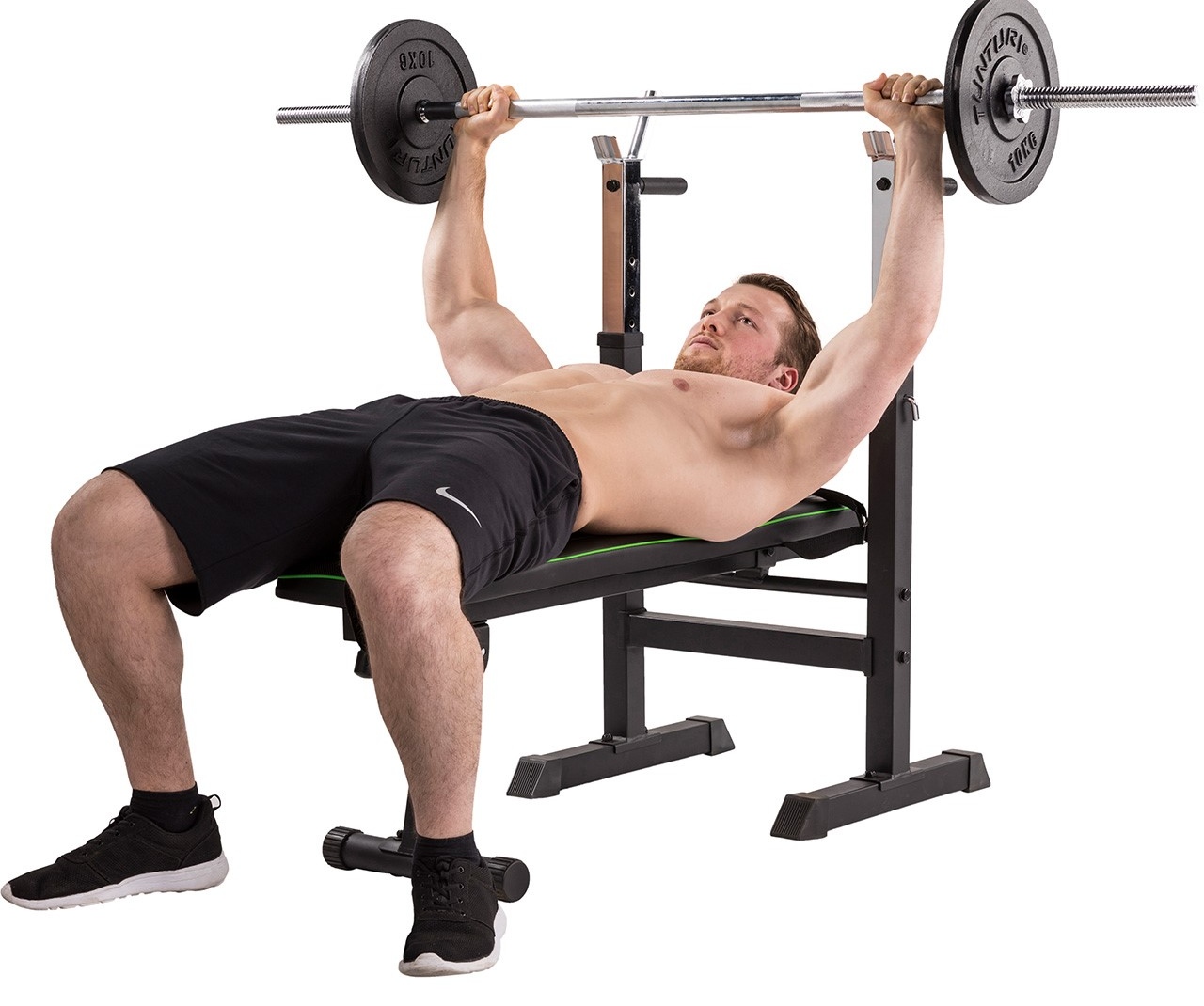
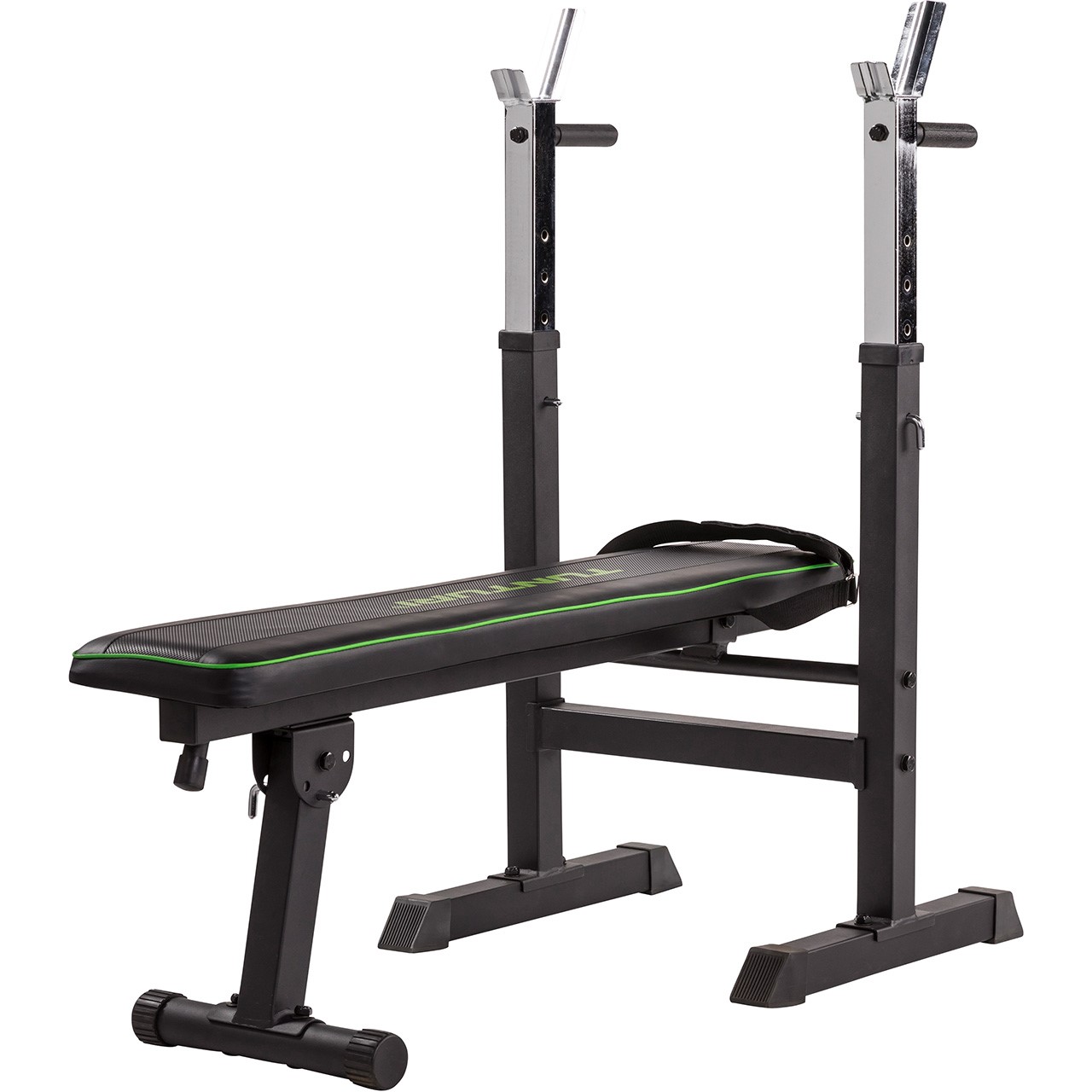
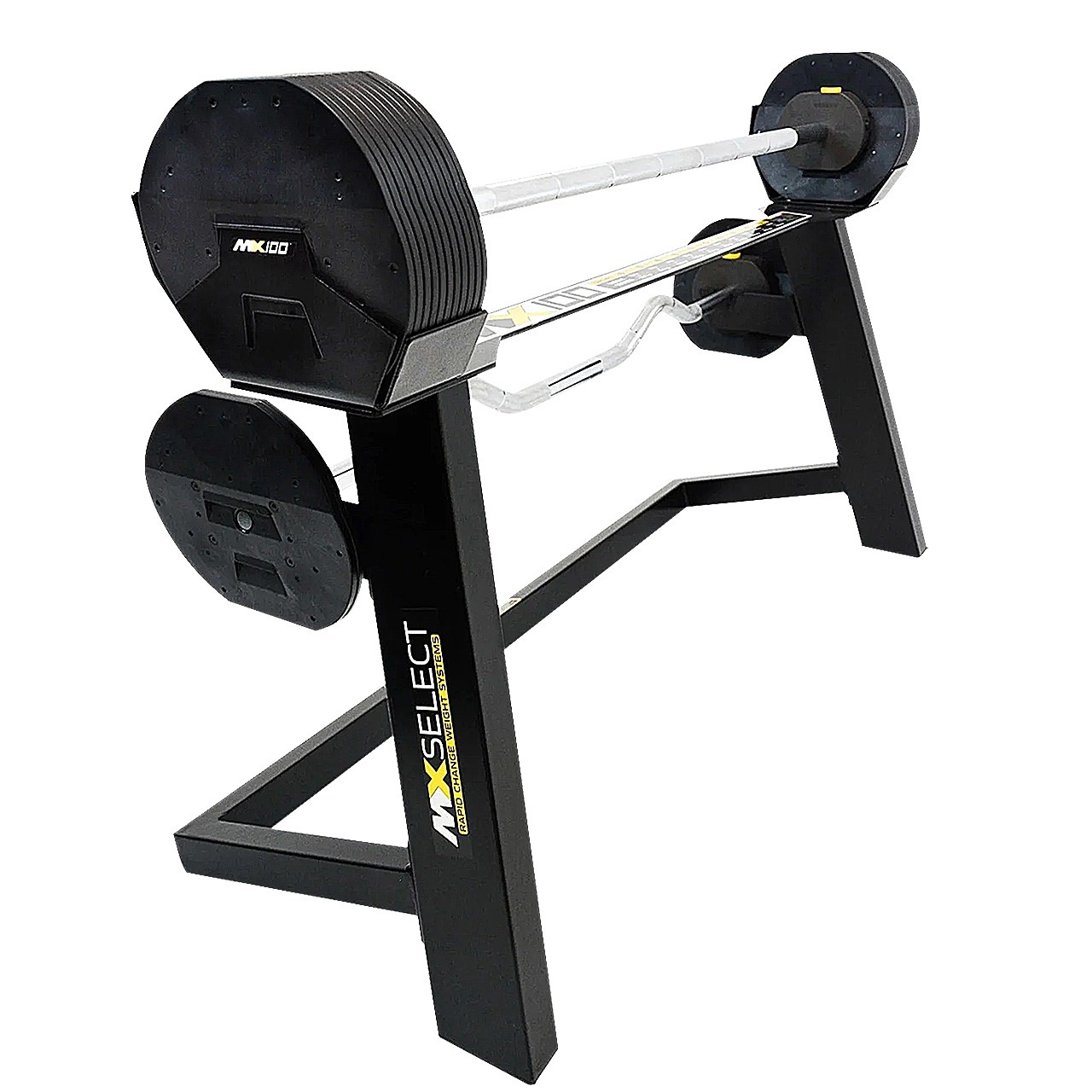
The bench press is a classic exercise for strengthening the chest muscles, shoulders, and arms. It is performed with a barbell on a bench, as the bench provides the necessary stability and safety. Lie flat on the bench, so that your eyes are directly under the barbell and your feet are firmly planted on the floor. Grip the barbell shoulder-width apart and lift it out of the rack. Lower the barbell in a controlled manner until it reaches your chest, then explosively press it back up until your arms are fully extended. Make sure your back stays stable and that your shoulders do not shrug during the movement.
Deadlifts
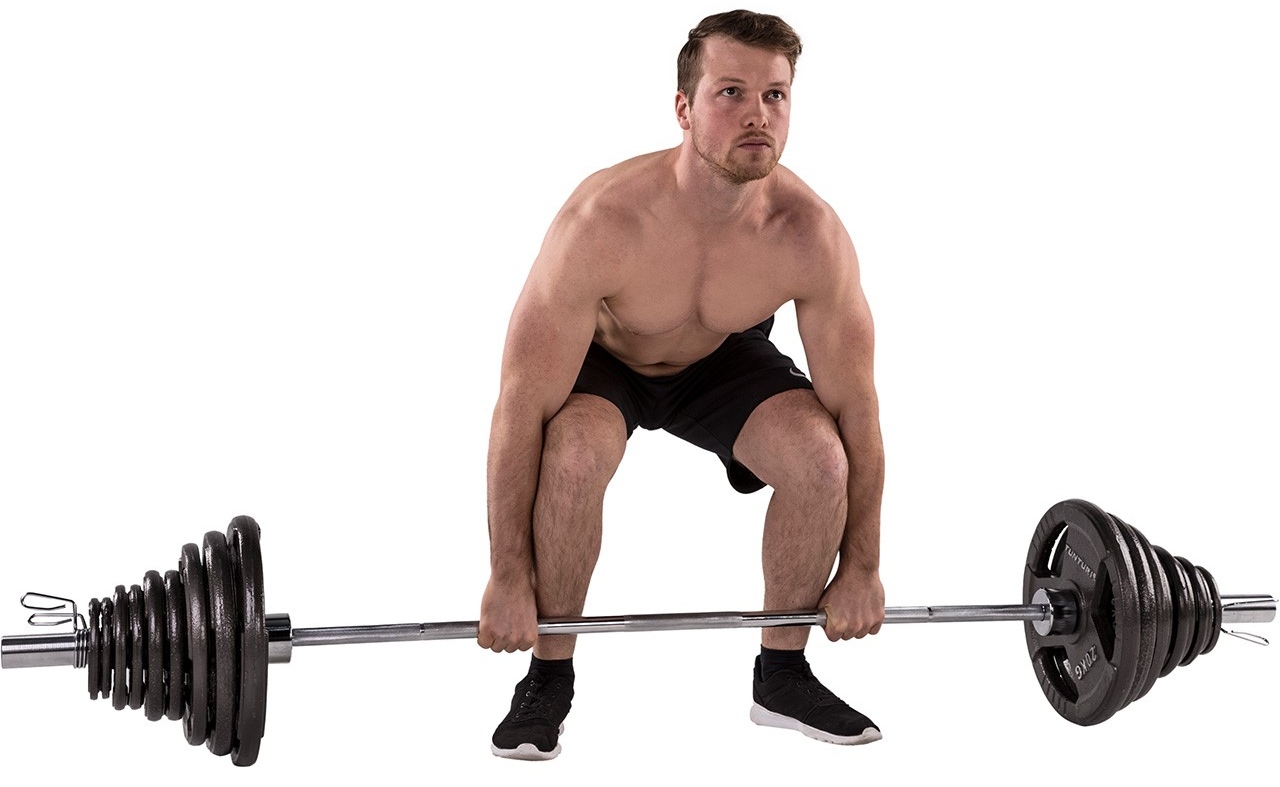
Deadlifts are one of the most effective exercises for strengthening the entire body, particularly the lower back, thighs, and glutes. In the classic version, the barbell is placed in front of your feet. Stand with your feet shoulder-width apart, with your feet under the barbell. Grip the barbell with both hands, keeping your arms either shoulder-width apart or slightly wider, depending on what feels most comfortable. Ensure your back is straight and your hips are in a neutral position before starting the movement. Now, push your hips back as you lift the barbell in a controlled manner along your legs. Your hips and chest should rise simultaneously. Drive your hips forward when the barbell reaches hip height, ensuring that your back remains straight throughout the entire movement. Then, lower the barbell back down to the floor in a controlled manner by pushing your hips back and slightly bending your knees.
Barbell Rows
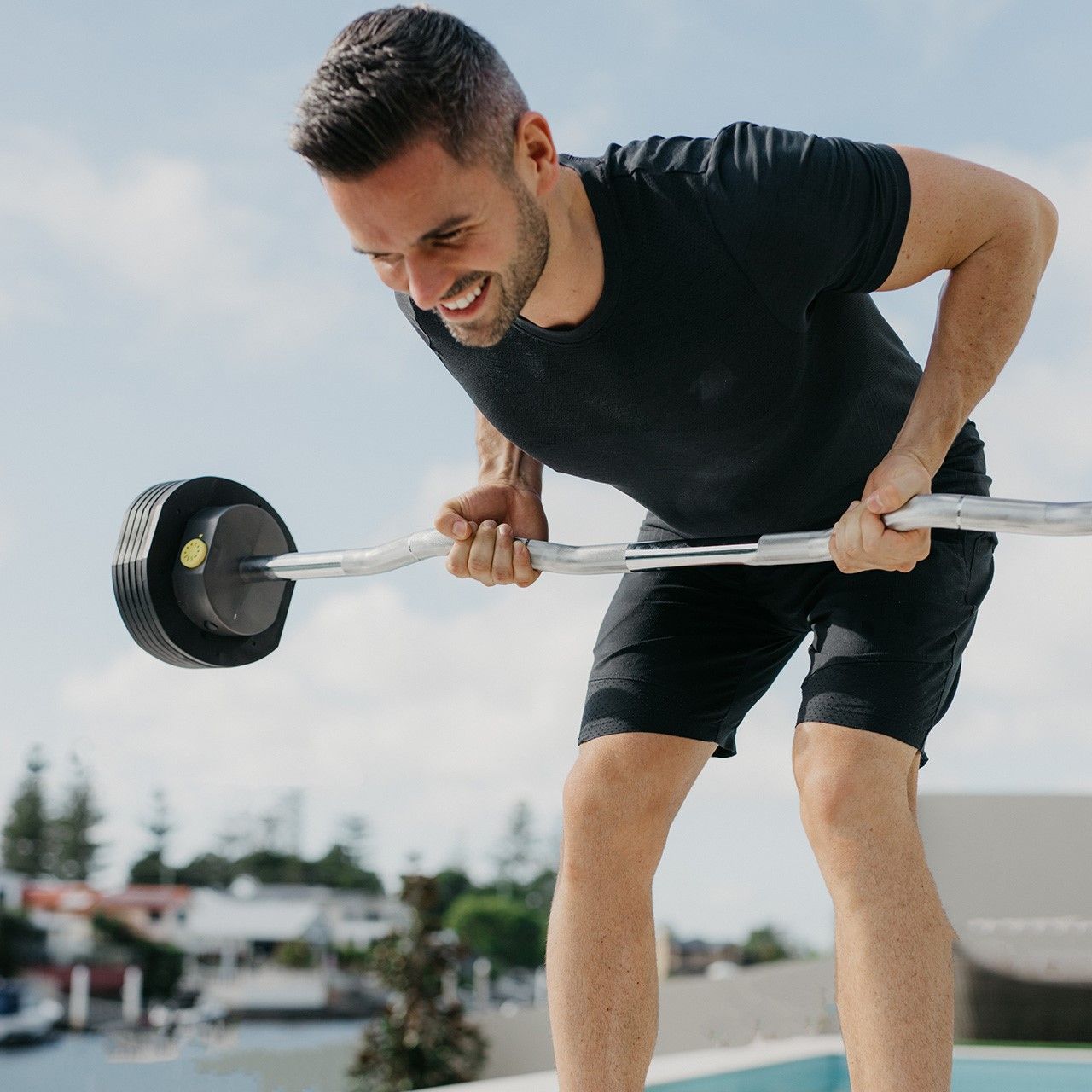
Barbell rows are an excellent exercise for strengthening the back muscles, shoulders, and arms. To perform the exercise correctly, stand shoulder-width apart with slightly bent knees and a torso that leans forward, ensuring that your back remains straight throughout the movement. The barbell should be placed in front of you on the floor. Grip the barbell with a shoulder-width grip, with your palms facing down. Now, pull the barbell in a controlled manner towards your upper body, bringing the barbell towards your abdomen or lower ribs. Your elbows should move close to your body as you actively squeeze your shoulder blades together. Make sure your torso remains stable and doesn’t move unnecessarily during the rowing motion. Slowly and controlled, lower the barbell back to the starting position and repeat the movement.
Recovery and Regeneration
In addition to training itself, recovery plays a crucial role in achieving success. Overloading your muscles by training too frequently without adequate rest can lead to a loss of muscle growth. Three to a maximum of four training sessions per week, targeting different muscle groups, are more than enough to ensure long-term fat loss with weights. Complement these sessions with cardio to further promote fat burning.
Long-term Motivation and Adapting Your Training Plan
To maintain motivation, start with simple combinations of strength training and cardio. This approach makes it easier to achieve your goals and keeps the enjoyment of training intact. As you gain more experience, you can gradually expand your workout program and incorporate more complex exercises to introduce new challenges and further promote muscle growth.
When is the Best Time for Your Workouts?
The ideal time for your strength training largely depends on your personal preferences and daily routine. While some prefer to train in the morning, others use strength training in the evening to relieve the stress of the day. Find out what works best for you and structure your workouts in a way that fits your lifestyle and long-term goals.