

« How Excercise Helps Reduce Stress »
Stress is something almost everyone experiences. Personal or professional challenges can negatively impact both body and mind, leading to symptoms such as insomnia, headaches, nervousness, and more. The good news is that you can actively counteract these effects. While it might be tempting to relax on the couch after a long day, this won’t help reduce stress—in fact, it often exacerbates the symptoms. On the other hand, exercise is an excellent way to strengthen your body and mind while recharging your energy levels. Let’s explore how fitness can help reduce stress and identify the best types of exercise for this purpose.
Reducing Stress with Exercise – How Exercise Reduces Stress Hormones
Stress isn’t always a bad thing. In short bursts, it can even be beneficial, helping the body generate energy for peak performance. However, problems arise when stress persists for long periods or becomes chronic. In such cases, stress hormones like adrenaline, noradrenaline, and cortisol fail to dissipate, leaving the body in a constant state of tension. Regular physical activity helps break this cycle: oxygen flows to the cells, and the brain releases feel-good hormones like endorphins and serotonin. These hormones counteract stress hormones, reducing their levels and enhancing resilience, allowing you to tackle daily challenges more effectively.

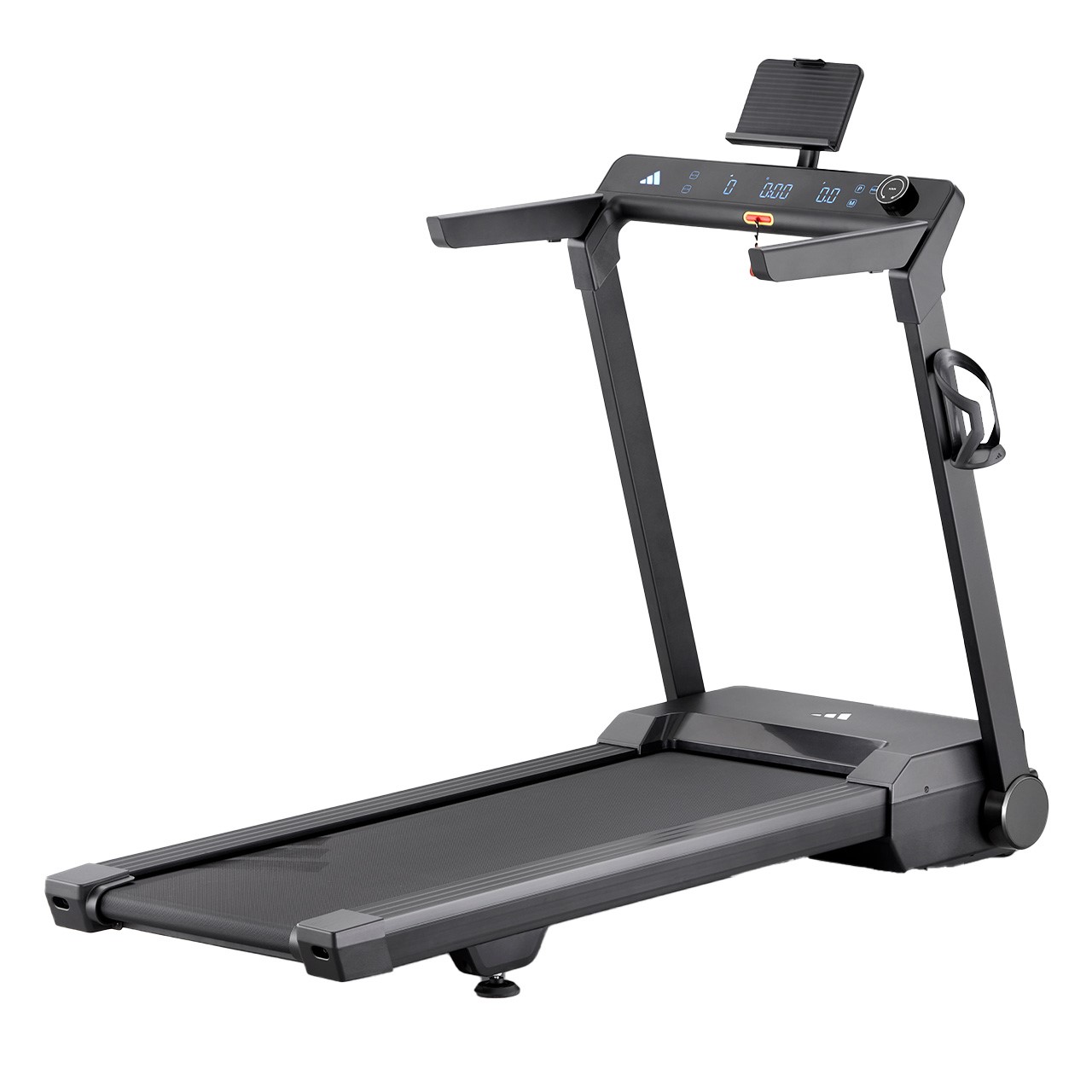
Reducing Stress Through Fitness – What Type of Exercise Works Best?
The best form of exercise for stress relief depends on your personal preferences and lifestyle. The key is to find an activity you enjoy, as this will help you stay motivated and incorporate it into your routine long-term. Striking a balance between exertion and enjoyment is crucial.
The great thing about using fitness to reduce stress is that it works whether you train alone or with others. You might meet new people or enjoy the flexibility of working out at home.
Cardio activities like running, cycling, brisk walking, or hiking boost endorphin levels, positively influencing mood and overall health. These activities are easy to integrate into daily life, such as walking or cycling to work.
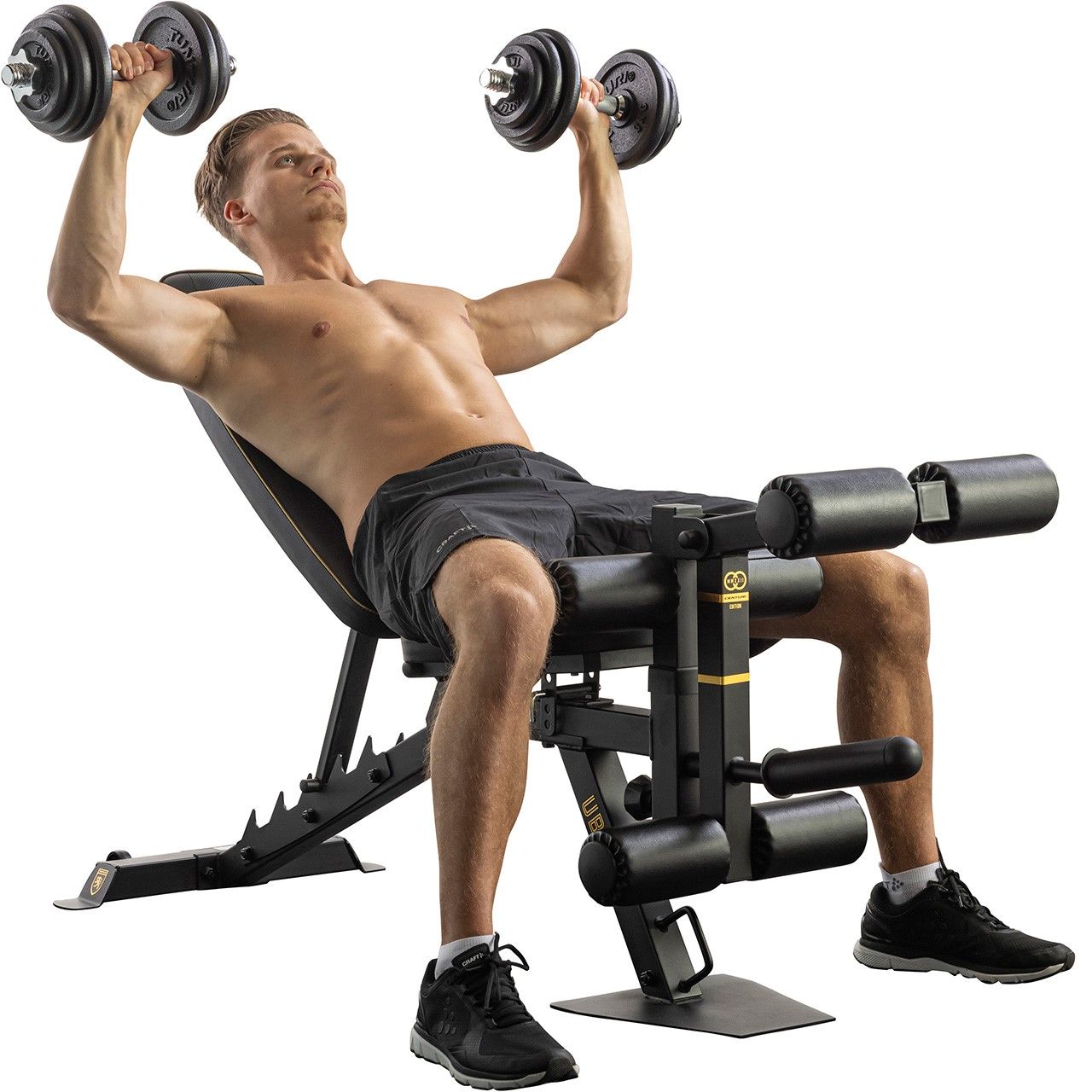
Strength training also supports stress relief by boosting self-confidence and self-efficacy, as you see the tangible results of your efforts. Combining strength and cardio exercises, as seen in High-Intensity Interval Training (HIIT), is another effective method. HIIT combines short, intense workouts with active rest periods, helping to reduce stress while saving time and adding variety to your routine.
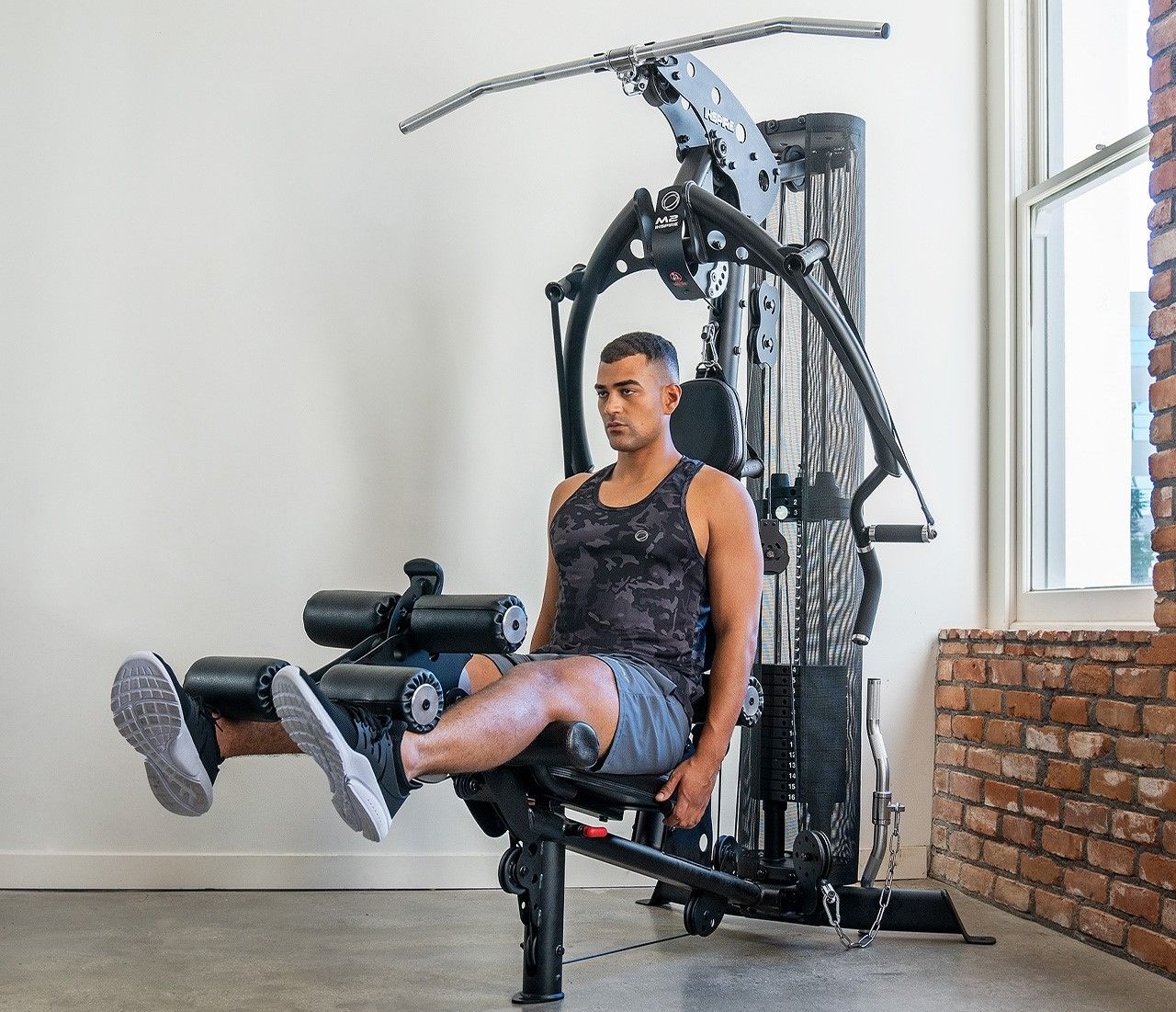
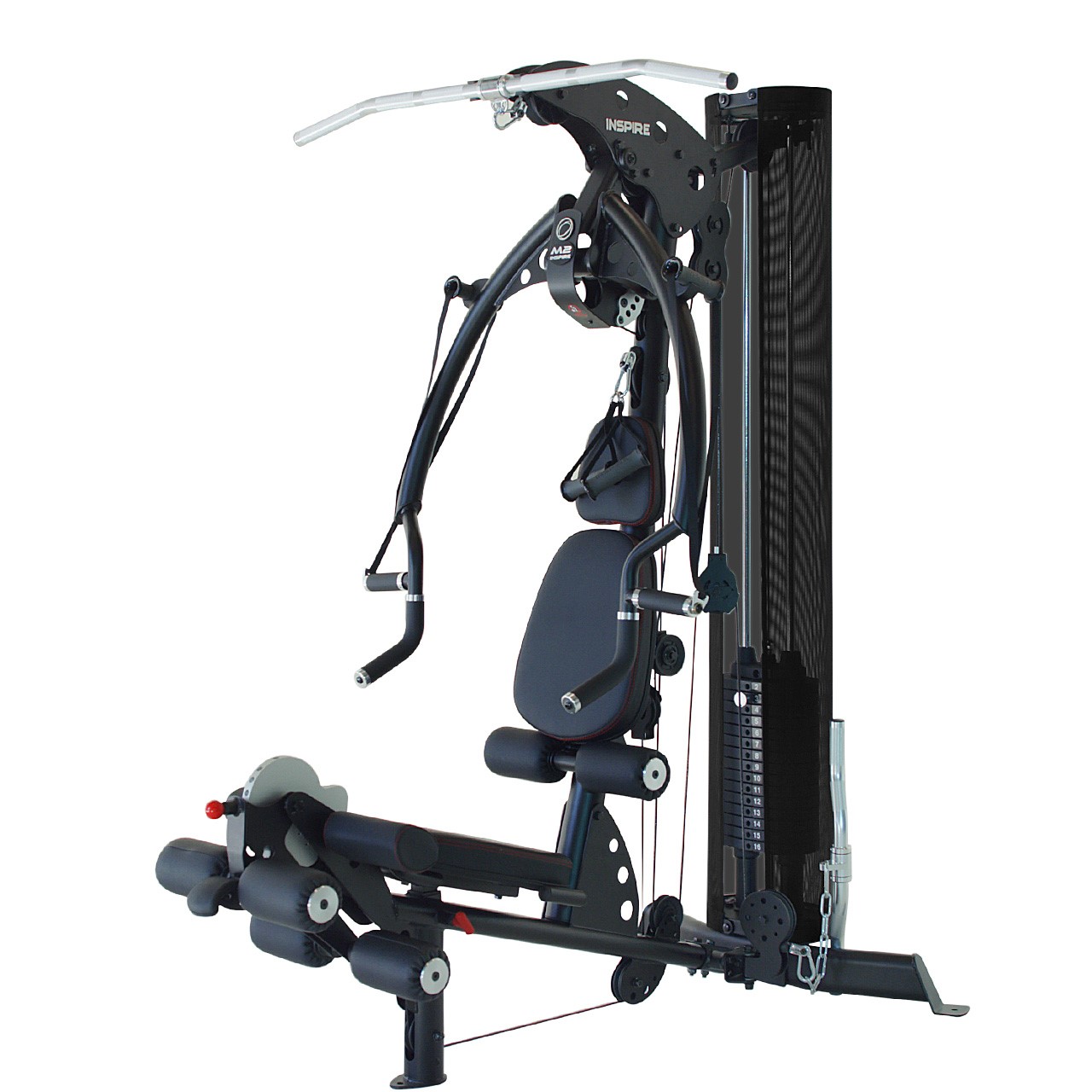
If you want to strengthen your body and mind simultaneously, yoga and Pilates are excellent choices. These practices focus your attention on the present moment, offering moments of relaxation. Experiment with different approaches and combine what you enjoy—fitness for stress relief has many facets.
Training at Home: A Solution to a Stressful Schedule
For many working professionals with family responsibilities, finding time for regular gym or club training can be challenging. After a long day at work, overcrowded gyms and long commutes can further diminish motivation. In this context, training at home offers an ideal solution for stress relief while maintaining flexibility.
With equipment like an exercise bike, rowing machine, or cross-trainer—easily purchased online—you can create a personal fitness space at home. Within just a few days, you can begin your training. The flexibility to choose your workout time—whether early in the morning, during lunch breaks, or late at night—makes it easier to integrate exercise into your daily routine.
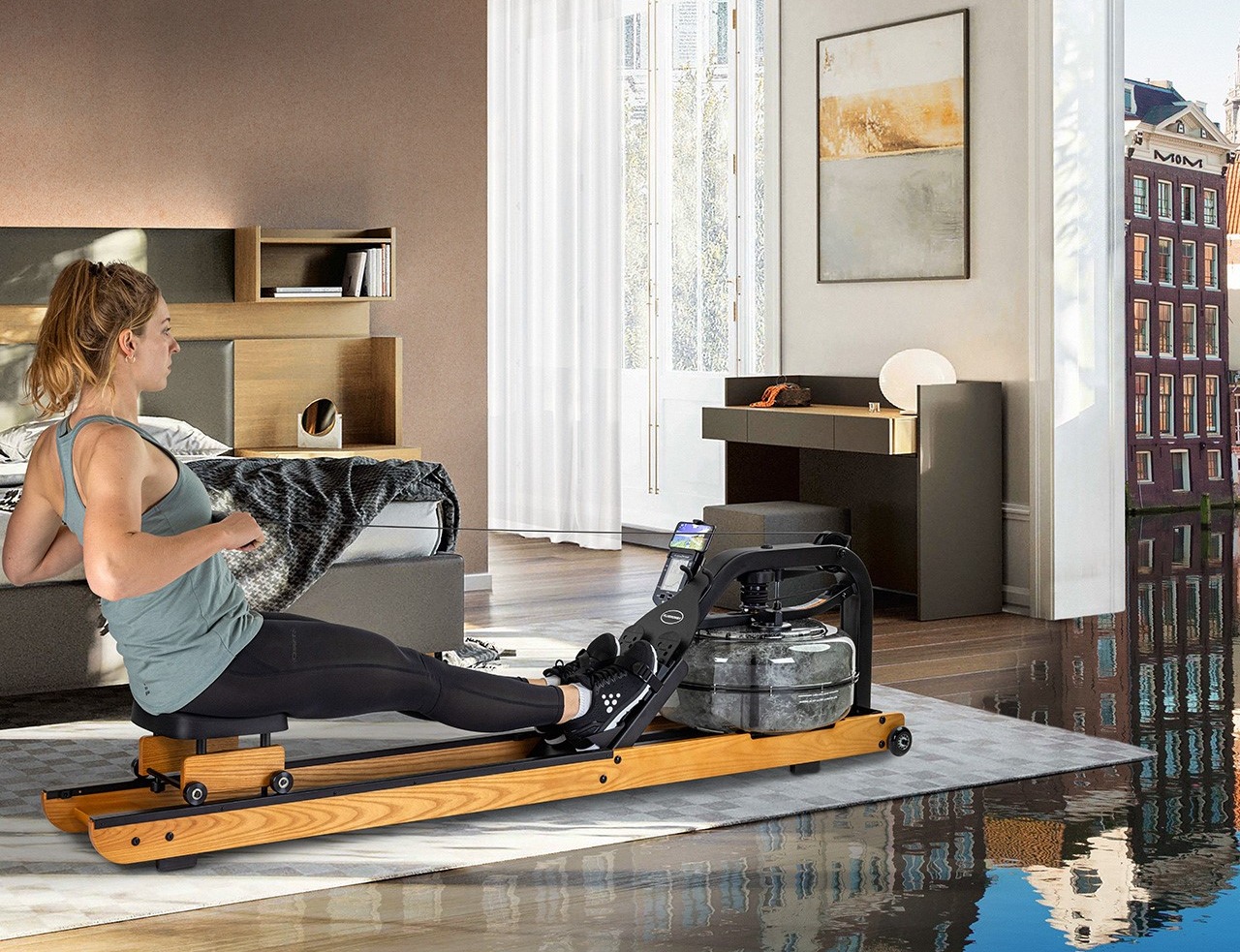
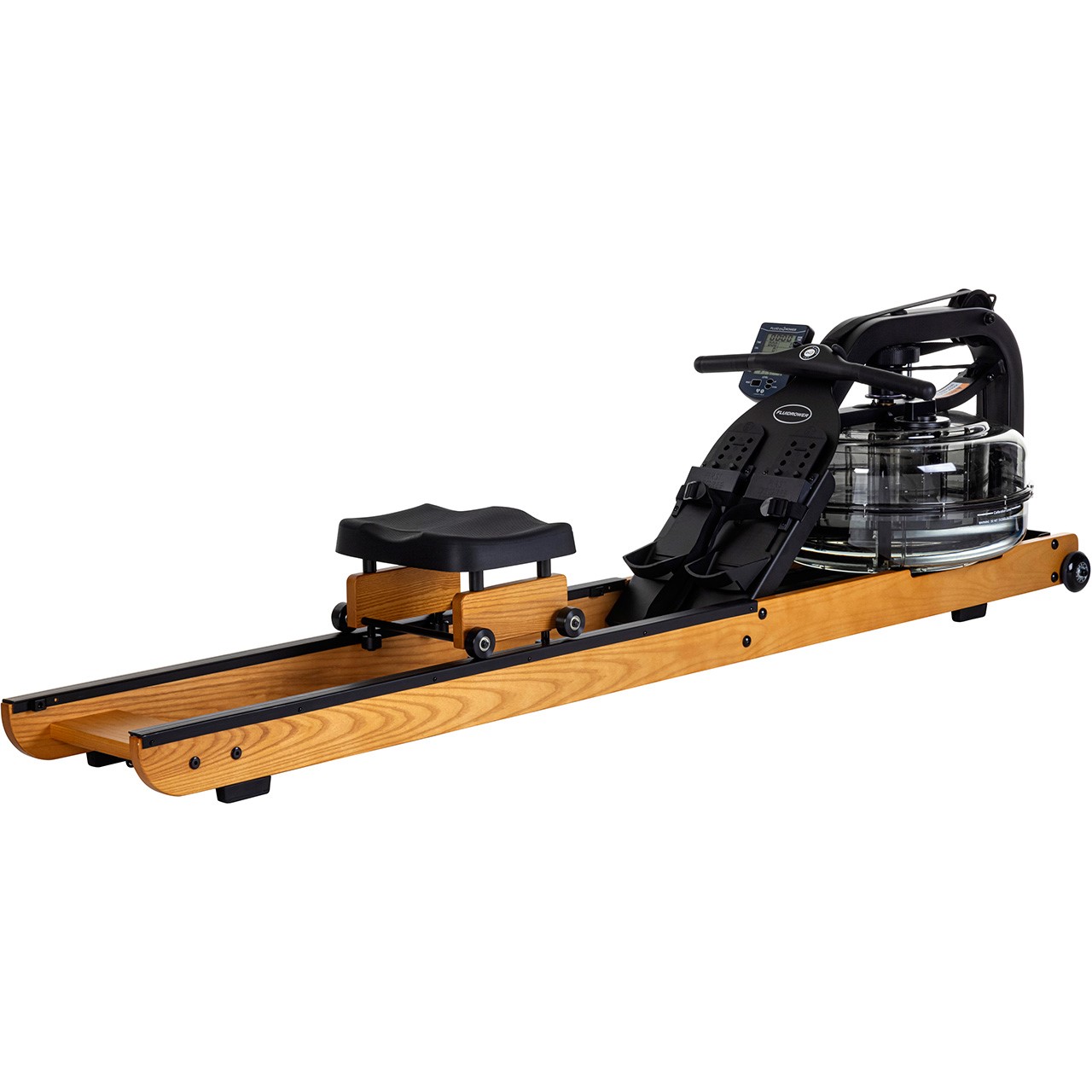
Another advantage of training at home is the ability to customize your environment. Whether you prefer your favorite music, calming lighting, or an inspiring view, you have complete control. Additionally, the lack of external judgment can make beginners feel more at ease. Whether you opt for cardio or strength training, home workouts eliminate excuses!
Fitness for Stress Relief – Getting Started
It may sound simple, but it’s never too late to put good intentions into action. Just a few minutes of exercise each day can significantly reduce stress—there’s no need for hour-long sessions. Set specific times and start with small, achievable goals. This approach will help you see quick results, boosting your motivation and encouraging you to make fitness a lasting part of your life.
Consistency and routine are key: they create a solid anchor in your day-to-day life, providing stability and supporting long-term stress reduction. Don’t forget to cool down and stretch after your workout. This helps bring your body back to a relaxed state, allowing you to end your session on a positive note.

© rh2010 — stock.adobe.com
Fitness Against Stress – A Final Thought
Stress is an ever-present companion in modern life, often coupled with significant physical inactivity. This combination can have detrimental effects on physical and mental health.
Using fitness to combat stress is an excellent choice. Start small—just a few minutes a day can make a big difference. Choose an activity you enjoy and set realistic goals. Over time, you’ll build resilience and create a healthier, more balanced lifestyle.