


 isports Magazin
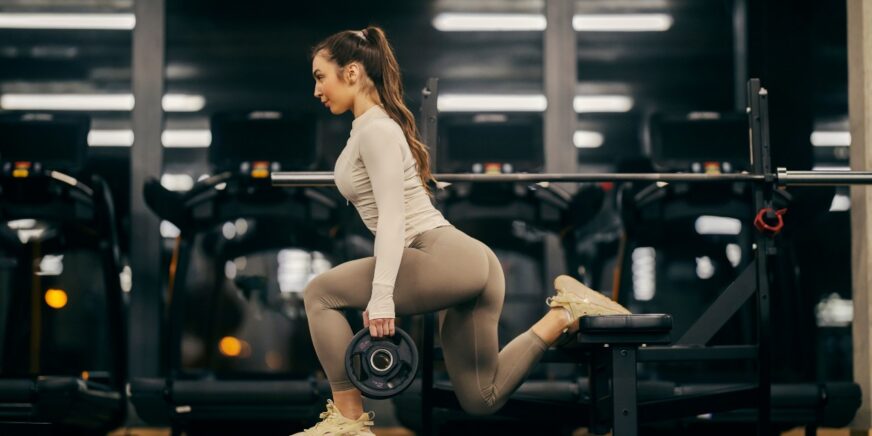
Are you looking for an exercise that strengthens your legs and glutes simultaneously, identifies muscle imbalances, and requires minimal equipment? Then Bulgarian Split Squats should be part of your training routine. The Bulgarian split squat is one of the most effective exercises for the glutes and hamstrings while also serving as a targeted workout to improve stability. In this guide, you will learn everything about the correct execution, different squat variations, and the most common mistakes to avoid.
What Are Bulgarian Split Squats?
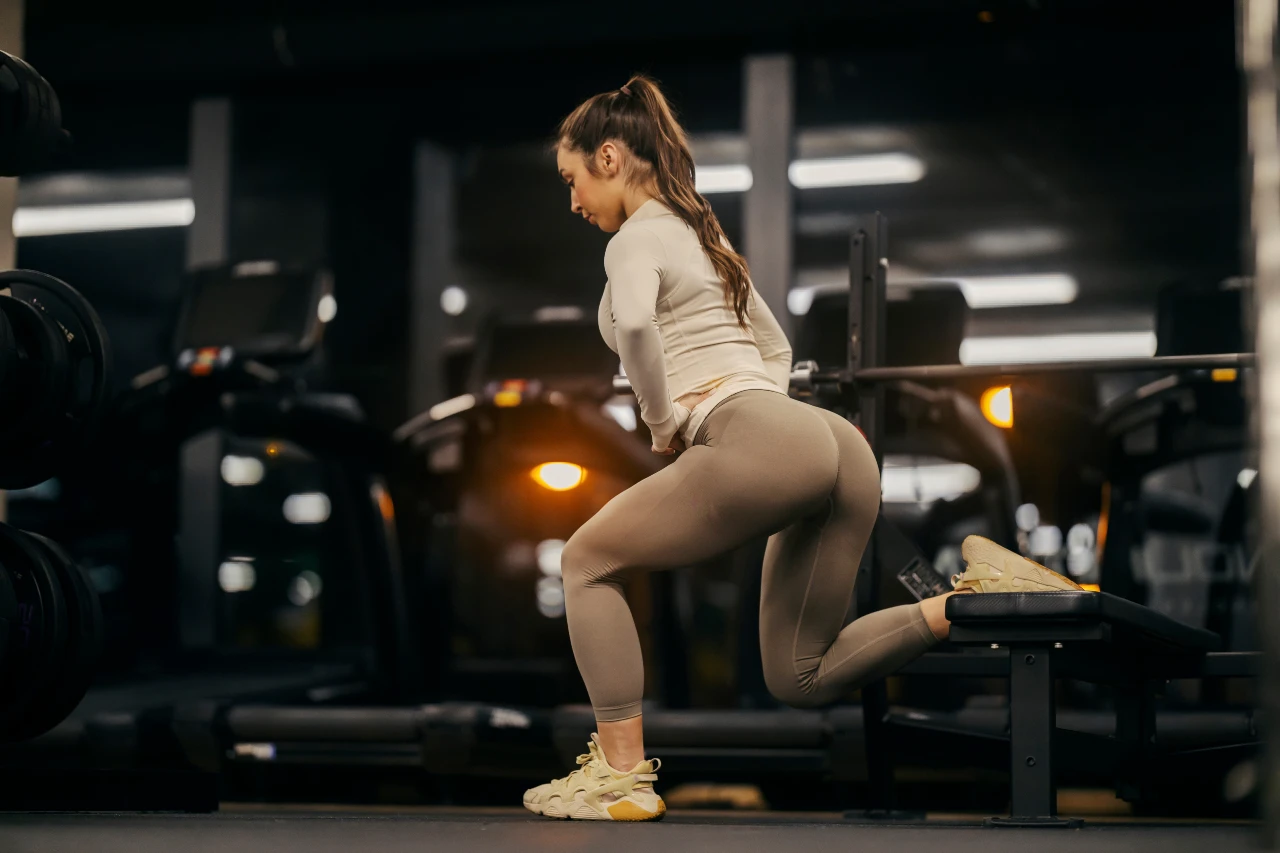
The Bulgarian Split Squat is a single-leg squat in which the rear leg is elevated on a support—such as a weight bench, plyo box, stability ball, or sturdy chair. This positioning shifts nearly all of the working load onto the front leg, while the back leg primarily assists with balance. Unlike a traditional squat, each side works independently, making muscle imbalances visible and easier to correct.
At the same time, this exercise requires less overall weight to create an intense training stimulus, which helps reduce stress on the spine.
Which muscles does the Bulgarian split squat target?
Due to the single-leg load, the target muscles are worked more intensely than in regular squats – while simultaneously engaging multiple muscle groups:
- The quadriceps: The front of the thigh is the primary mover and bears the greatest load during knee extension. All four heads of the quadriceps are activated, with the inner head (vastus medialis) working particularly hard, thereby promoting knee stability.
- The gluteus maximus: The glute muscles – or glutes for short – are strongly activated when rising from the deep position. To target the glutes specifically, one should go especially deep and lean the upper body slightly forward.
- The gluteus medius and minimus: These smaller lateral glute muscles help stabilize the hips and prevent sideways tilting of the pelvis or knee collapse.
- The hamstrings: This three-headed muscle group at the back of the thigh supports hip extension, especially during the deep phase of the movement.
- The adductors: Located on the inner thigh, they stabilize the leg and prevent the knee from collapsing inward.
- Core muscles: The abdominals and lower back work continuously during the single-leg squat to keep the body upright and stable.
The exercise is a real powerhouse for the glutes – provided you maintain tension throughout the entire movement.
5 Reasons Why Bulgarian Split Squats Belong in Every Workout Plan
Whether for hypertrophy training, athletic training, or functional strength training, the Bulgarian split squat has become one of the most popular strength exercises. It works just as well in the gym as in a home setup with minimal equipment – and it challenges the legs and glutes more intensely than traditional squats.
- Identify and Correct Muscle Imbalances
Since each leg works individually, strength differences become immediately apparent. This is exactly what makes the exercise so valuable: side-to-side imbalances can be specifically trained instead of being hidden by a dominant side.
- High Training Effect with Lower Overall Load
Compared to traditional barbell squats, you need less absolute weight to achieve an intense training stimulus. Mechanical tension in the working leg remains high, while axial load – the downward pressure along the spine – is lower. Always maintain a stable core during Bulgarian split squats to prevent collapsing sideways.
- Improve Functional Strength
Climbing stairs, sprinting, changing direction – hardly any movement in daily life or sports is perfectly symmetrical on both legs. Bulgarian split squats train this single-leg strength development. While the traditional Bulgarian split squat is a strength and hypertrophy exercise, those looking to improve explosive power can perform them dynamically, for example with a quick upward push or a small jump.
- Better Balance and Joint Stability
The unstable starting position demands coordination from the foot, knee, and hip stabilizers. The gluteus medius works intensely to keep the knee aligned. This can help reduce tendencies toward knee valgus, provided the Bulgarian split squat is performed with proper form.
- Maximum Effect for Glutes and Thighs
The large range of motion and single-leg load create high muscle activation in the glutes. A longer step length shifts the focus more toward the glutes, while an upright torso emphasizes the quadriceps, the four-headed thigh muscle also known as the leg extensor.
Proper Form: Bulgarian Split Squats Step by Step
Proper execution determines whether the exercise delivers its full benefits. Take the time to learn the technique first without any added weight.
Step 1: Set Up Your Position
Stand with your back to a knee-high surface – a weight bench works best for Bulgarian split squats. Alternatively, you can use a plyo box, a sturdy chair, or the edge of a sofa.
Step 2: Place Your Feet and Find the Right Distance
Take a long step forward and place the instep of your back foot on the elevated surface, toes pointing downward. Finding the correct distance is crucial: at the lowest position, your front knee should be aligned over your ankle – not extending past it.
If the distance is too short, the knee will be overloaded. If the front foot is too far forward, you lose control. Test the position with a few slow repetitions without weight until your stance feels stable and natural.
Step 3: The Descent
Lower your body in a controlled manner by bending the front knee. Keep the weight on your front foot, with a slight emphasis on the heel. Descend until your back thigh is at least parallel to the floor or the back knee nearly touches the ground. Maintain an upright torso or lean slightly forward – a subtle forward tilt increases glute activation.
Step 4: The Ascent
Push yourself powerfully upward through the heel. Actively engage the glutes and extend the knee in a controlled manner without locking it out completely. Perform the movement over two to three seconds.
Tip: Which Side to Hold the Weight? When using dumbbells, hold one in each hand at your sides. Regardless of the equipment, the weight should always load the side of the front, working leg. If using only a single dumbbell or kettlebell, hold it on the side of the leg that is performing the squat.
From Dumbbells to Smith Machine: Which Variations Are There?
The basic movement remains the same; what changes is the equipment. If you don’t have a weight bench, a sturdy chair, a stair step, or a plyo box can all serve as the elevated surface.
For advanced trainees: Instead of placing the back foot on a solid surface, suspend it in a sling trainer loop. With the foot floating, your entire core and hip muscles have to work much harder. Start without added weight and increase only once the movement feels stable.
Bulgarian Split Squat with Dumbbells
The dumbbell variation is the classic choice and the best option for most trainees: hold a dumbbell in each hand at your sides. The symmetrical weight distribution makes balancing easier, and the load can be increased in small increments. With a dumbbell set, you can gradually add weight, making it ideal for home training.
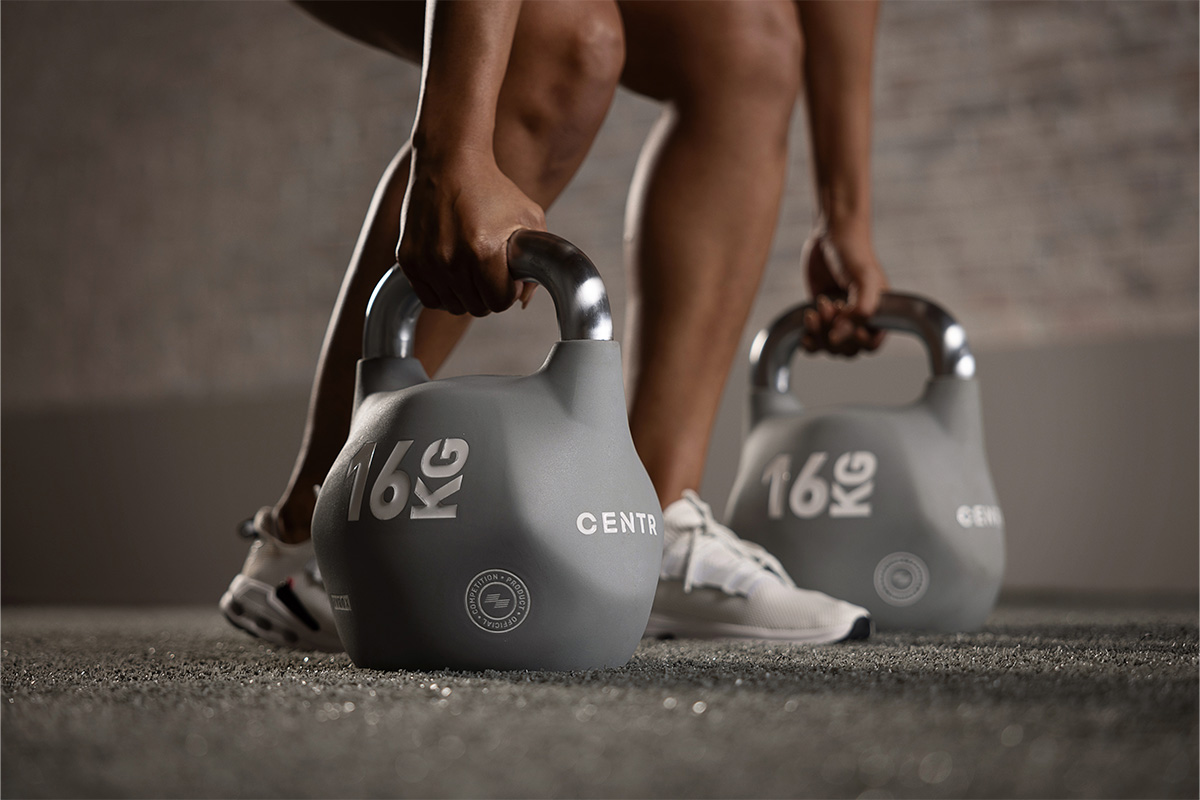
Split Squats with Kettlebells
Hold the kettlebell in front of your chest in a goblet position or at your side in one hand. The goblet position additionally challenges the core muscles. Since kettlebells are available in fixed weight increments, this variation is best suited for more advanced trainees who already know how much weight they can handle safely.
Bulgarian Split Squats with a Barbell
The most demanding variation: the barbell rests on the upper back and requires very good balance and core stability. In return, it allows for heavier loads than the dumbbell variation. For safe setup and racking, use a squat rack or a power rack.
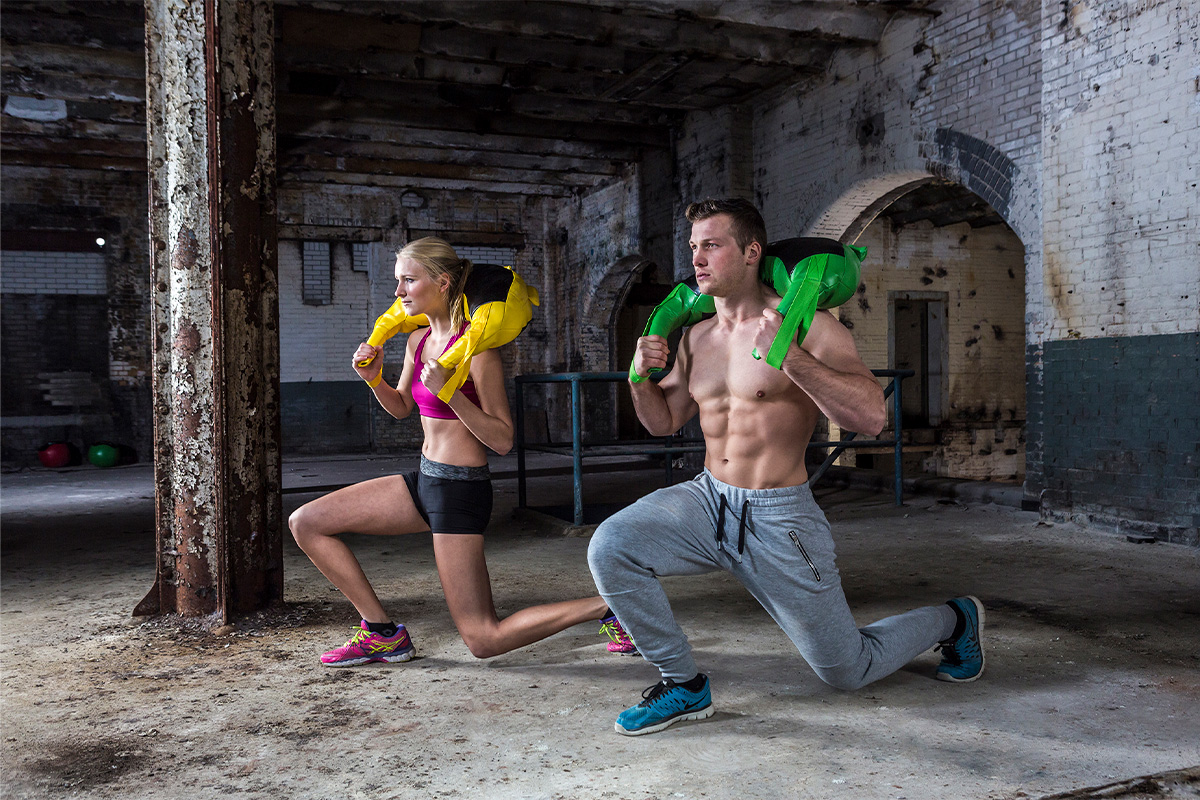
Single-Leg Squat with Bulgarian Bags
The bulgarian bag – a crescent-shaped training tool filled with sand – rests on the shoulders and around the neck during the squat. Thanks to its shape, it fits closely to the body and shifts the center of gravity closer to the body’s midline than a barbell. This makes balancing easier while simultaneously challenging the shoulders and core muscles.
Single-Leg Squat on the Smith Machine
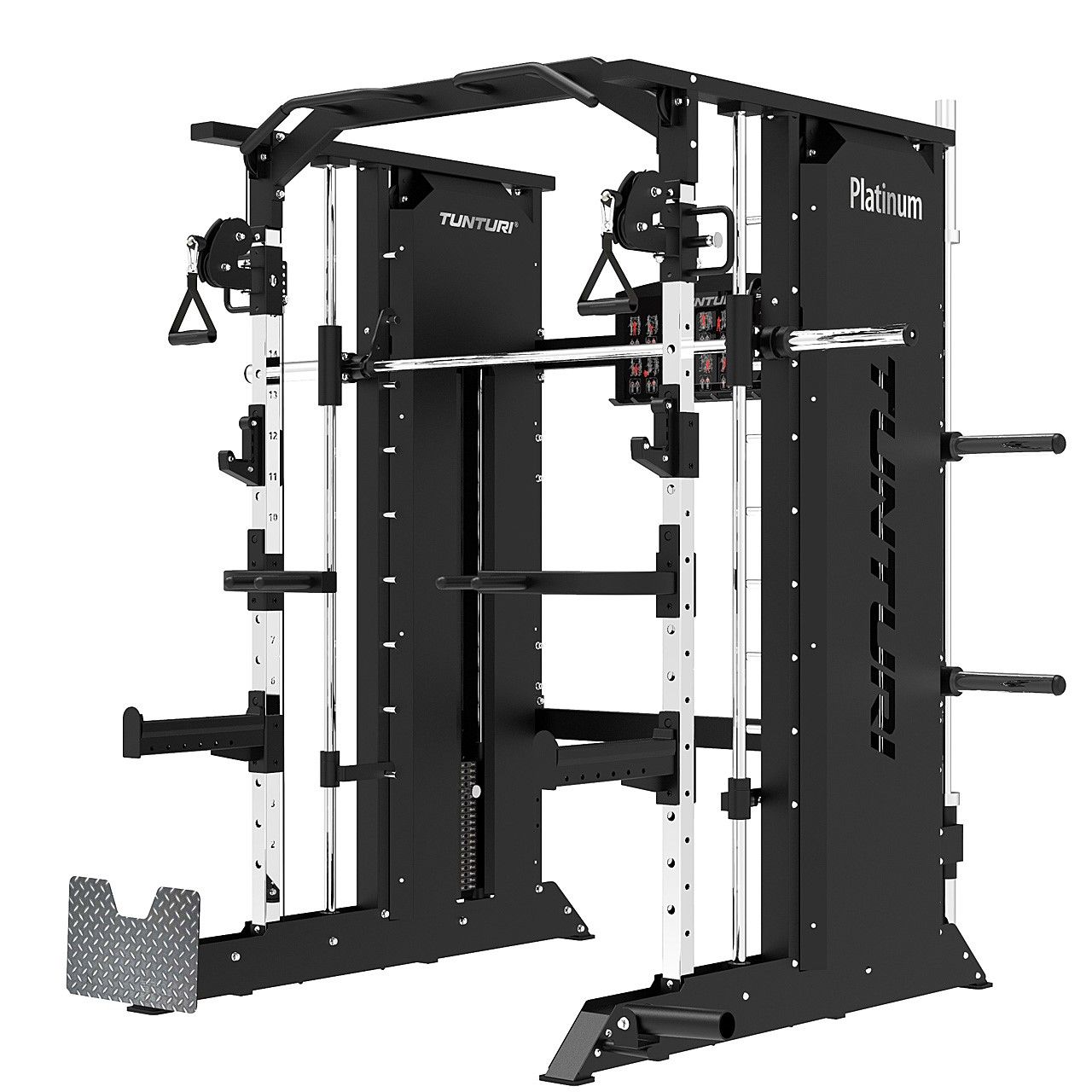
The Smith machine guides the bar along a fixed track and reduces the need for stabilization. This allows you to focus entirely on the muscle work and train safely with heavier weights. For beginners, it is a valuable intermediate step before progressing to the free barbell.
Bulgarian Split Squats, Lunges or Regular Squats – what’s the difference?
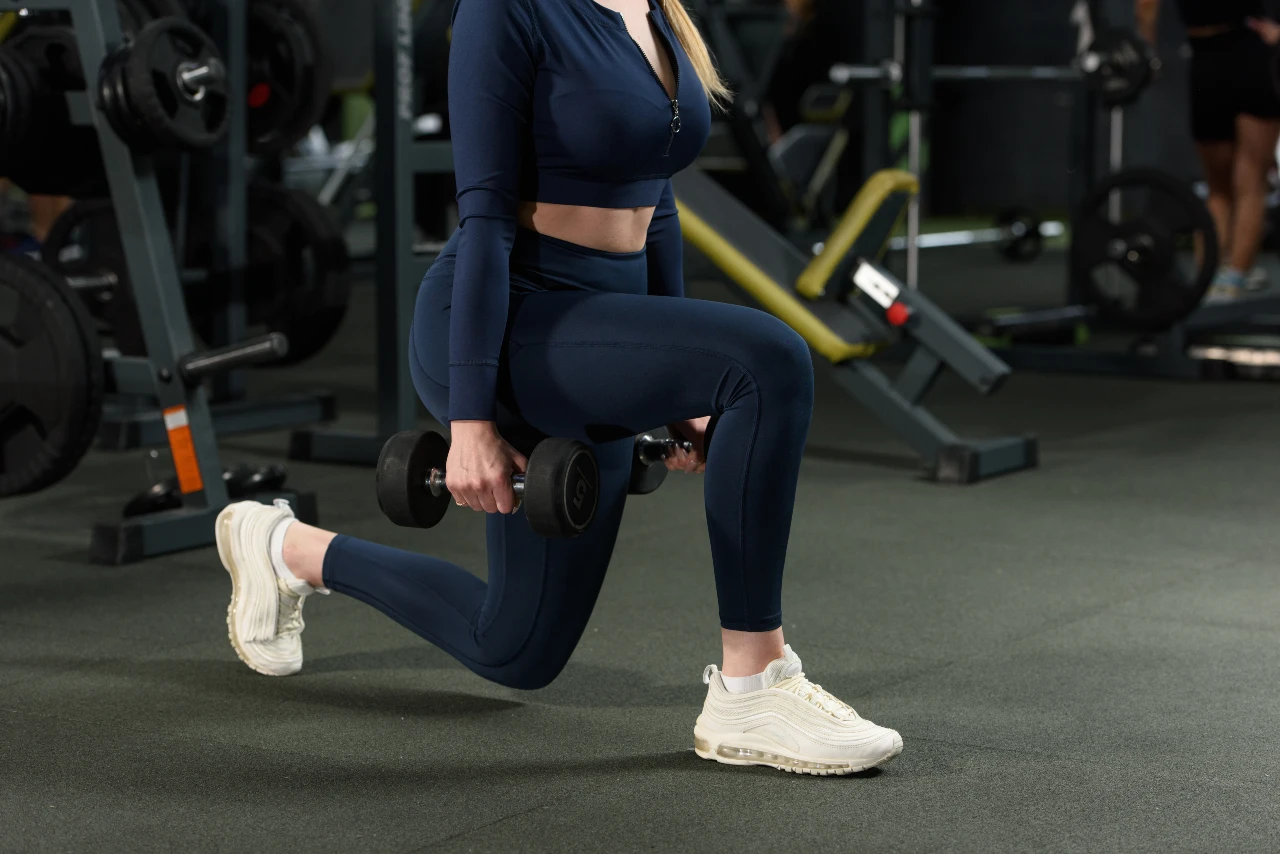
With lunges, you move dynamically forward or backward – this not only trains the leg muscles but also improves coordination, while distributing the load more evenly across both legs. The classic squat is bilateral: both legs work simultaneously and can handle heavier weights, but it places more strain on the spine.
The Bulgarian split squat combines the benefits of both exercises: single-leg isolation like the lunge, but with greater stability from the fixed rear foot and less spinal load than a traditional two-legged squat.
Those looking for alternatives to Bulgarian split squats can find valuable options in lunges and traditional squats – however, they can only partially replicate the single-leg intensity of the Bulgarian split squat. Ideally, all three exercises should be combined in a training plan.
Common Mistakes in the Single-Leg Squat and How to Avoid Them
The basic movement of the Bulgarian split squat may seem straightforward, but in practice, mistakes often creep in that can reduce the training effect or cause discomfort.
- Incorrect distance from the support: If the front foot is too close, the knee pushes far past the toes. If it’s too far, you lose control. Test your stance with a few trial repetitions without weight: the knee should remain stable directly above the foot at the lowest position.
- Knee collapsing inward: A lack of hip stability can cause the knee to cave inward. Actively guide the knee toward the toes – imagine pushing the floor apart with your foot.
- Too much load on the rear leg: The rear leg is only meant for balance. If you push up strongly using the back leg, the weight is too heavy or your positioning is off. Reduce the load and focus on performing the movement entirely with the front leg.
- Torso position: Keeping the torso perfectly upright emphasizes the quadriceps, while a slight forward lean targets the glutes. Both are valid – the key is to keep the back straight and avoid overarching or rounding the spine.
- Too fast movement: Rushing up and down reduces muscle tension and increases the risk of injury. Two to three seconds per direction is ideal for maximum growth stimulus.
Go deep into the squat – it’s worth it
Bulgarian split squats deliver maximum results with minimal equipment. Whether using just your body weight, dumbbells, or the Smith machine, start with proper technique, progress gradually, and give each leg equal attention. After just a few weeks, you’ll notice the difference – more strength and better balance. Try different variations to find the one that best suits your training style.