


 isports Magazin
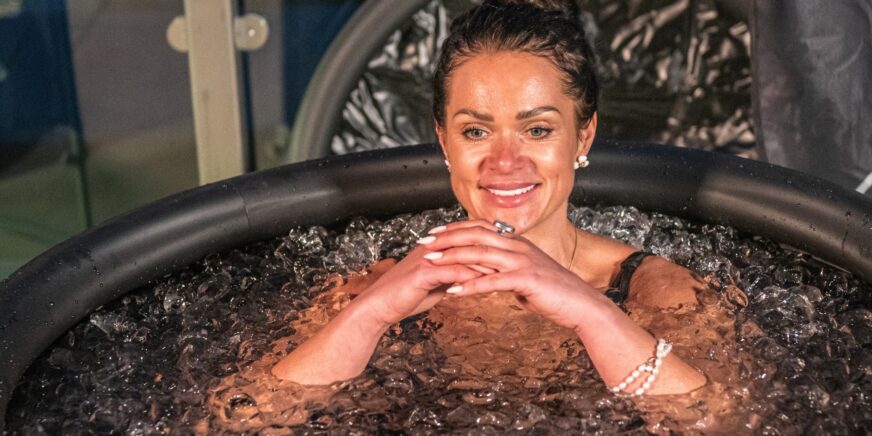
Less than 15 degrees water temperature, 90 seconds submerged – and afterwards a feeling as if you could uproot trees. For many athletes, ice bathing has become an integral part of their fitness routine. And you don’t need a frozen lake for it: with an ice bath for home use and the right technique, anyone can benefit from cold therapy. In our guide, we provide step-by-step instructions for ice bathing in an ice barrel, explain the benefits of cold exposure, and highlight the mistakes you should definitely avoid.
What Is an Ice Barrel – and Why Is It Worth It?
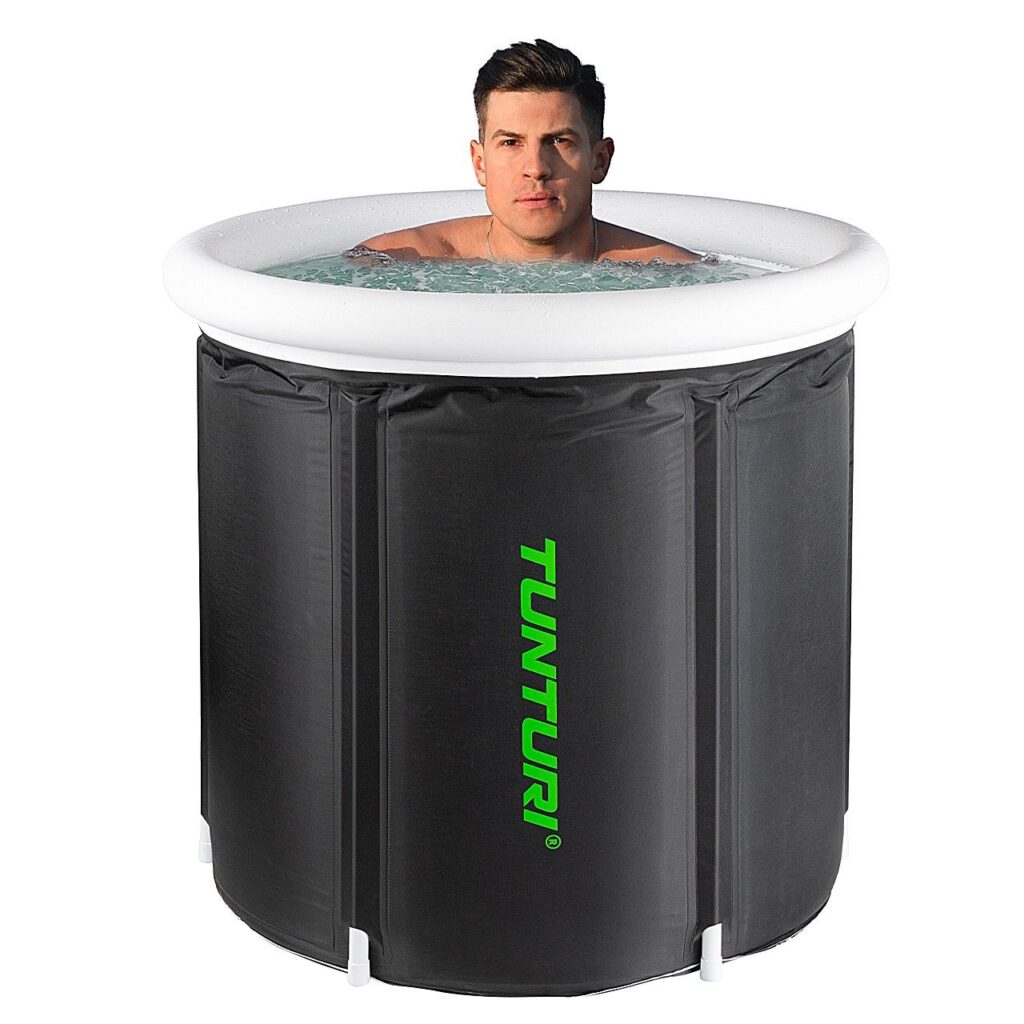
If you want to incorporate cold therapy into your fitness routine, a sturdy, inflatable ice barrel is an excellent choice. The insulated container is space-saving and keeps the water temperature stable much longer than a conventional bathtub. Set up in your garden, on your balcony, or in the basement, it allows you to enjoy ice bathing at home – regardless of season, weather, or time of day.
The key advantage over open bodies of water: you can precisely control the water temperature and create optimal conditions for recovery and performance enhancement in your training.
The Benefits of Ice Bathing – What’s the Truth?
Immersing yourself in icy water triggers a cascade of physiological reactions in the body. However, whether ice bathing is “healthy” cannot be answered in general terms. As with any form of training – whether strength training on a multi-gym or interval sessions on an indoor rowing machine – the key factors are dosage and individual condition. That said, scientific research increasingly points to measurable positive effects.
1. Challenging the Immune System – in a Positive Way
Cold is a stressor, and stressors require adaptation. Those who regularly expose themselves to short bursts of cold train their immune system’s responsiveness. It learns to react more quickly and precisely – a principle athletes are already familiar with from their training.
2. Vascular Training for the Cardiovascular System
Immersion in an ice bath immediately triggers vasoconstriction: the body redirects blood away from the skin’s surface to protect its core temperature. After exiting the water, the blood vessels dilate again and oxygen-rich blood flows throughout the body. This alternating constriction and dilation trains vascular elasticity and may have a positive long-term effect on heart rate variability – a recognized marker of cardiovascular health.
However, individuals with pre-existing cardiovascular conditions should consult a physician before trying ice bathing for the first time.
3. Hormonal Reset
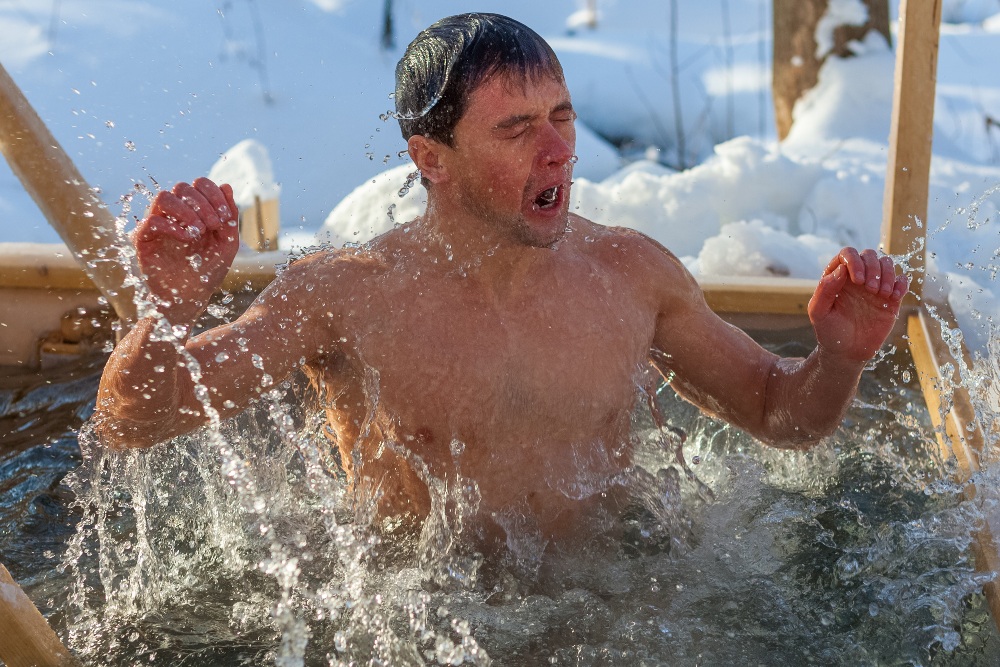
Cold therapy has a profound impact on the hormonal system. Researchers at Charles University in Prague examined the body’s physiological responses to immersion in water of varying temperatures. The result: immersion in 14-degree Celsius water led to an exponential increase in the release of the hormones noradrenaline and dopamine. (1) Noradrenaline enhances alertness and focus, while dopamine regulates motivation and reward. Unlike caffeine, this effect can last for hours without a subsequent crash.
The stress hormone cortisol also responds to cold exposure: levels rise in the short term, but with regular practice the hormonal response becomes more moderate. This may be interpreted as a sign of improved stress resilience.
4. Recovery After Exercise
In elite sports, ice baths after training have long been part of the standard recovery routine. Whether after an intense strength session, a workout on the treadmill, or a demanding competition day, cold exposure helps slow inflammatory processes, reduce micro-tears in muscle tissue, and accelerate muscle recovery.
Muscle soreness tends to be milder, and recovery time shorter. When combined with foam rolling or the use of a massage gun, recovery can be further enhanced and muscle tension effectively relieved.
5. A Matter of the Mind: Training Mental Strength
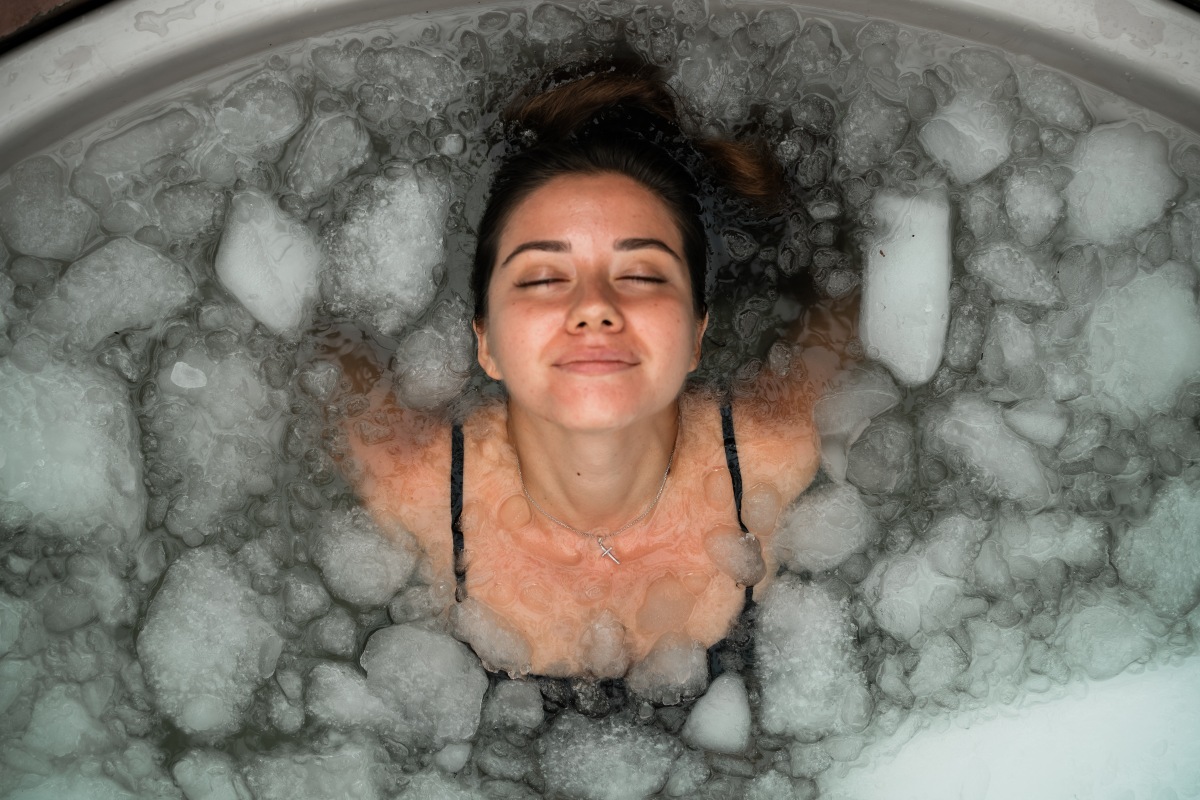
Stepping voluntarily into icy water while every fiber of your body protests is mental training in its purest form. The ability to tolerate discomfort and remain capable of action can be trained like a muscle. And this resilience carries over into other areas of life.
6. Activating Brown Fat
Can ice bathing help with weight loss? The answer is complex. The body contains different types of fat tissue: white fat stores energy, while brown fat burns fatty acids and glucose to produce heat. With the help of the protein UCP1, this energy is converted directly into heat without using ATP.
Cold therapy has been shown to activate brown fat tissue. Studies also suggest that regular cold exposure may convert white fat into thermogenically active brown fat. (2) Even in visceral fat – the metabolically active “bad” fat surrounding internal organs – there are early positive indications. The additional calorie expenditure is measurable but moderate. Ice bathing alone does not lead to significant weight loss, but as a complement to exercise and a balanced diet, it can make a meaningful contribution.
isports Reading Tip: Losing Weight with Dumbbells and Strength Training – Here’s How!
Ice Bathing in an Ice Barrel: Preparation
Jumping into a two-degree Celsius ice bath without preparation? Not a good idea. Your body needs time to adapt to the cold stimulus. A gradual approach prevents overload and ensures a positive long-term experience.
Phase 1: Cold Showers and Getting Used to the Cold
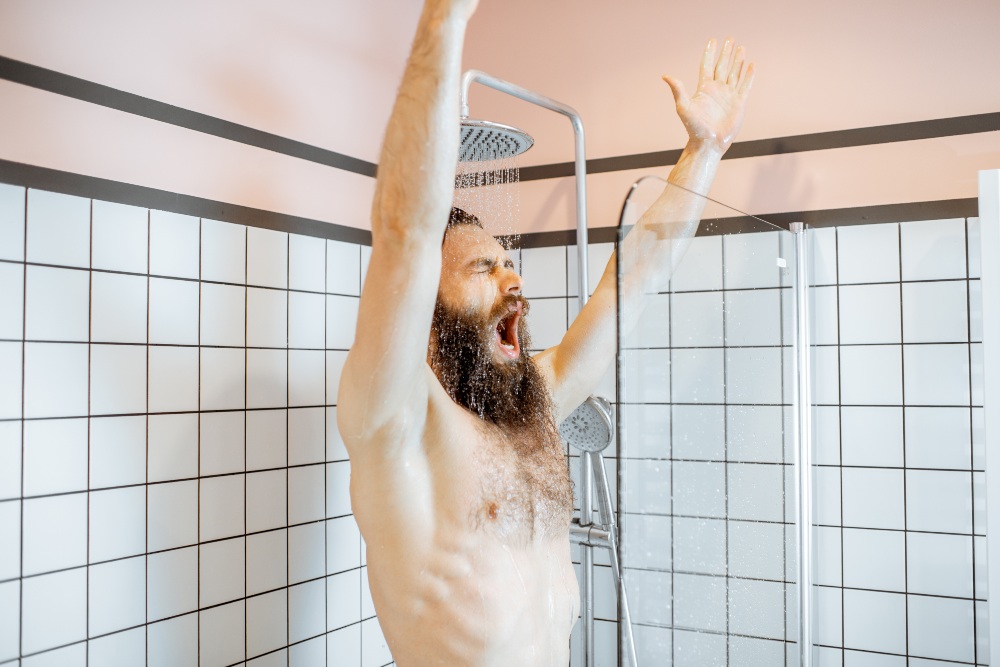
Start simply by turning the water to cold for 30 seconds at the end of your warm shower, rinsing your entire body. Gradually increase the duration over several weeks to two or three minutes. Only once you feel comfortable with this should your body be considered ready for ice bathing.
Phase 2: Proper Breathing Technique
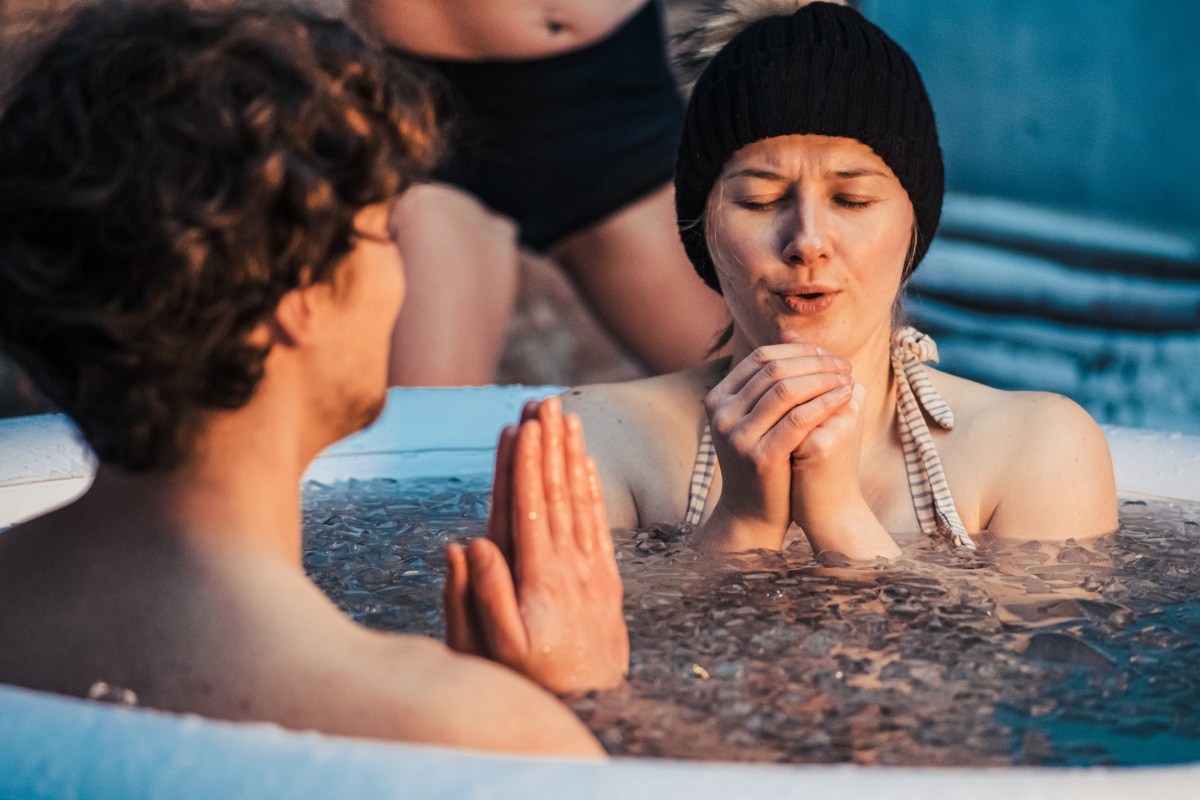
Breathing is the most important tool during ice bathing. When confronted with cold, many people instinctively hold their breath or start gasping. Both reactions increase the sense of stress and can lead to dizziness or panic.
The key is conscious control: take several deep breaths before entering – inhale through your nose, exhale slowly through your mouth. Maintain this rhythm while in the water. Exhalation can be longer than inhalation. This activates the parasympathetic nervous system and signals to your body that everything is under control – there’s no need to trigger the fight-or-flight response.
The Wim-Hof-Method as Preparation
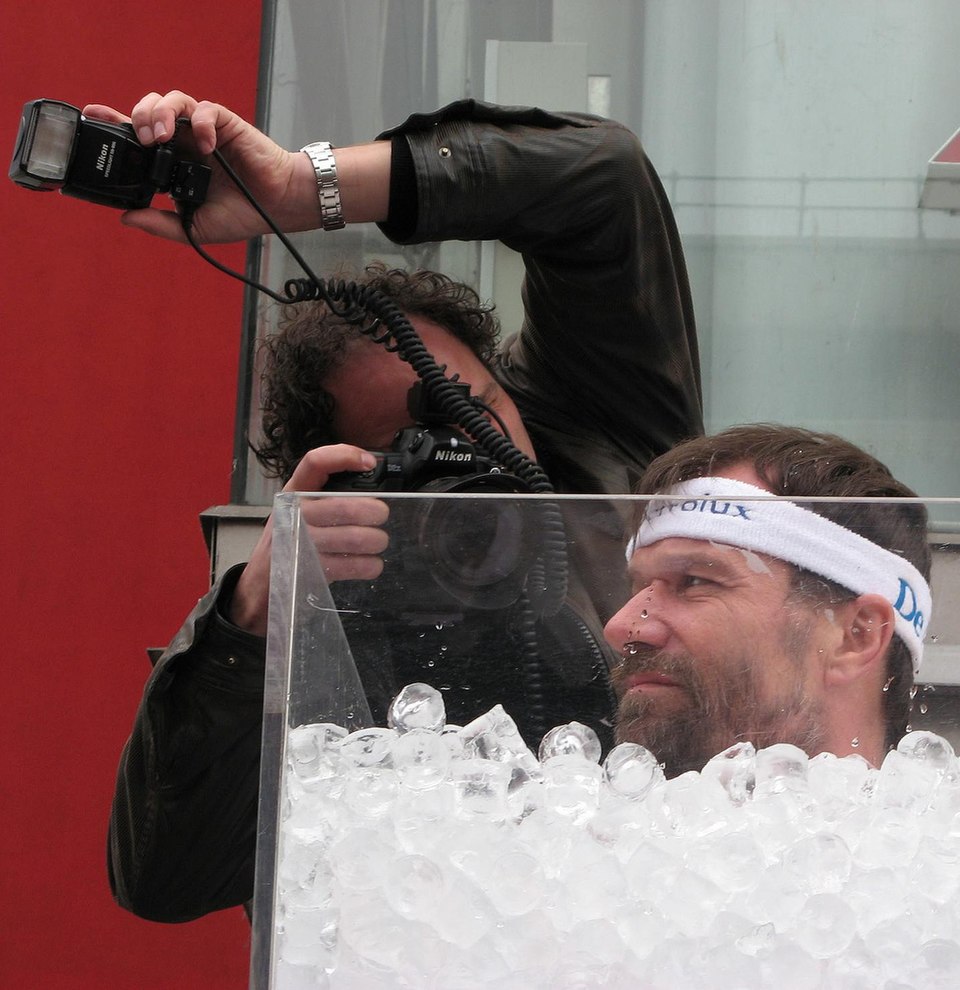
A well-known breathing technique comes from the Dutch extreme athlete Wim Hof. It influences the autonomic nervous system, increases oxygen saturation, and improves cold tolerance. Important: perform this exercise only before the ice bath – never in the water.
- Assume a comfortable position: Sit or lie down. Never perform standing or in water.
- 30 – 40 deep breaths: Inhale powerfully, exhale relaxed. Tingling in the hands or mild dizziness is normal.
- Hold your breathe: After the last exhale, hold your breath as long as it feels comfortable – typically 60–90 seconds.
- Recover breath: Inhale deeply, hold for 15 seconds while gently tensing the body, then release.
- Repeat: Perform three to four rounds.
After this exercise, many report deep calm, mental clarity, and significantly improved cold tolerance.
Step-by-Step Guide: Ice Bathing in an Ice Barrel
Once you’ve adapted to cold showers and mastered your breathing technique, it’s time for the ice bath. To ensure a safe and effective experience, keep the following points in mind.
Choosing the Right Time
In the morning, right after waking, cortisol levels are naturally elevated, making it an ideal time to use the cold stimulus as a wake-up boost. Jumping into an ice bath immediately after training can help reduce muscle soreness and swelling, but it also slows inflammatory processes that are important for muscle adaptation. In other words: if your goal is to build muscle, wait a few hours before using cold-water recovery. In the evening, a short ice bath in the ice barrel can even help improve sleep quality.
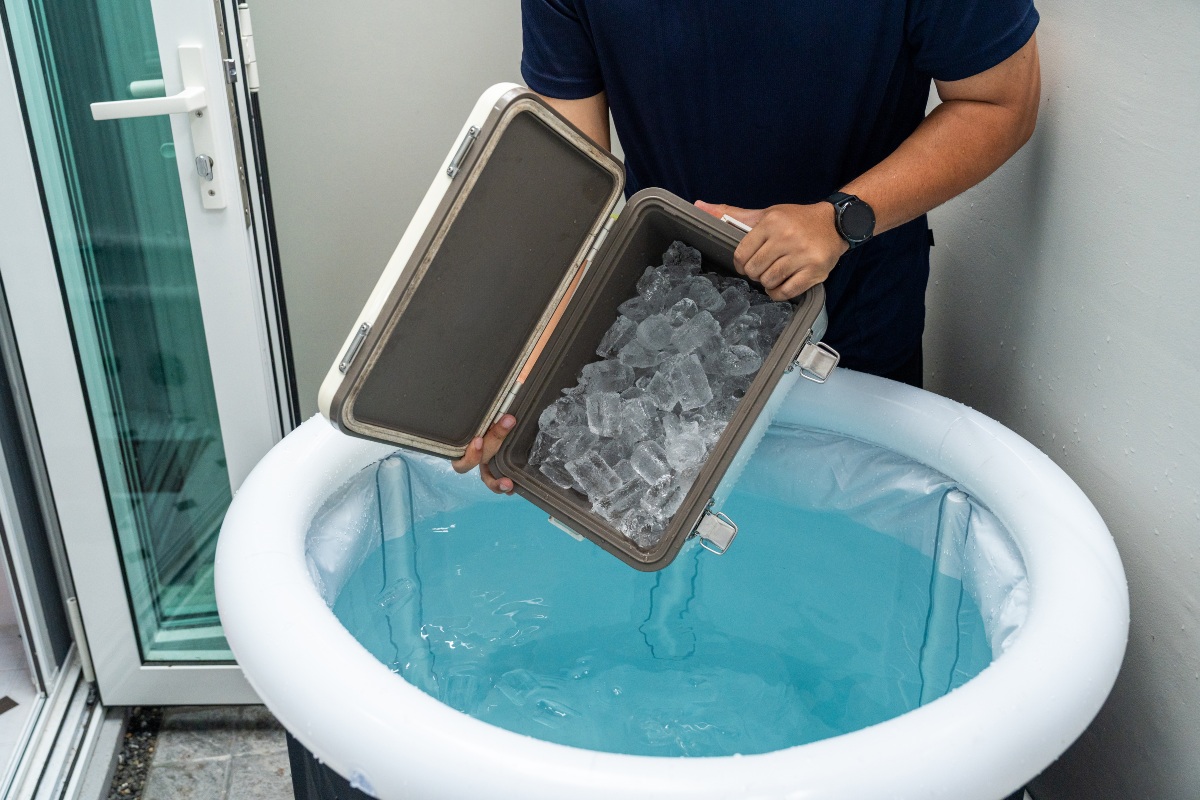
For beginners, the ideal water temperature is between 10 and 15°C (50–59°F). This is enough to produce noticeable effects without overwhelming the body. Advanced users can gradually lower the temperature to 0–4°C (32–39°F). Always measure the water temperature with a thermometer before each bath, as perceived cold can be misleading. In summer, you can reduce the temperature with ice cubes. In winter, depending on your location, cold tap water and the ambient temperature are usually sufficient if the ice barrel is outdoors.
How Long Should You Stay in the Ice Barrel?
For beginners, start with 30 seconds up to a maximum of one minute. This may seem short, but it is enough to get your body used to the cold stimulus. With experience, you can gradually extend the duration to two or three minutes. A good rule of thumb: stay as long as it feels controllable. Intense shivering, discomfort, or uncontrolled breathing are clear signals to get out. It’s also helpful to keep a brief log of water temperature, duration, and how you feel. This way, you can track your progress and find your personal comfort level.
Ice Bath Guide: Proper Entry Technique
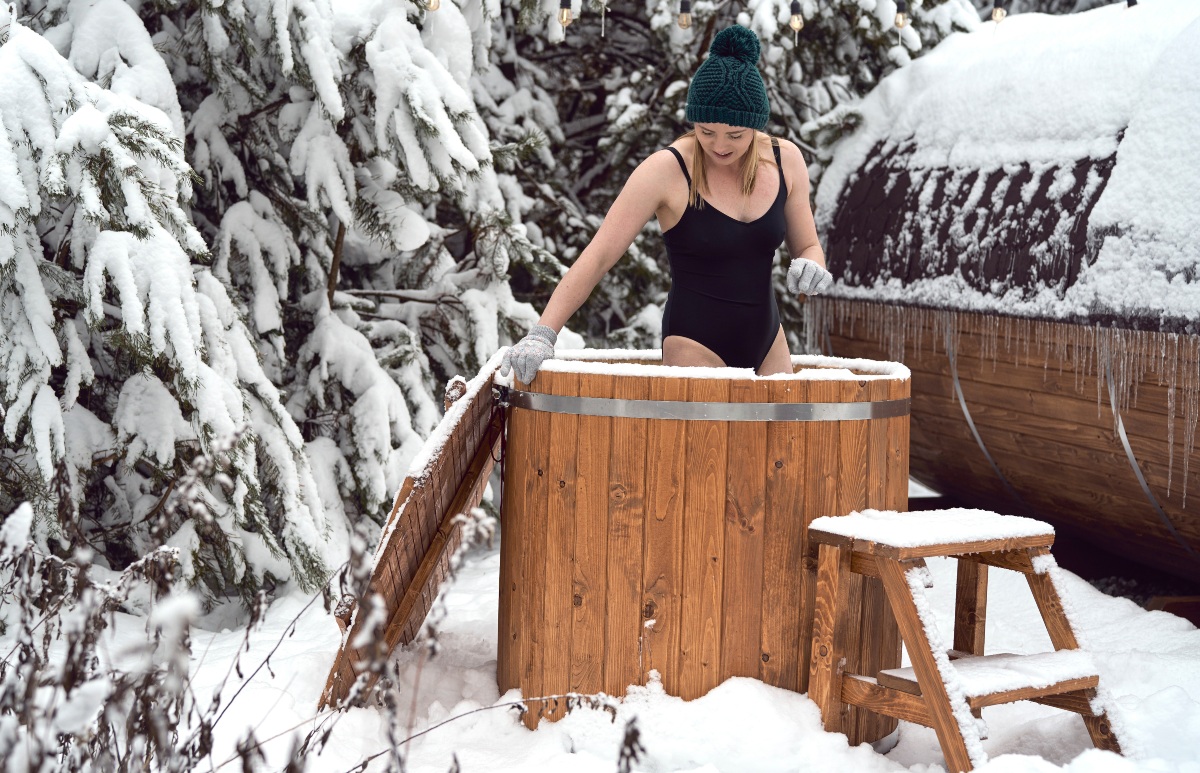
Enter the ice barrel slowly. Start by sitting down so that the water reaches your hips, and allow your body to get used to the cold. Only when your breathing is calm and steady should you lower yourself further until the water reaches your shoulders. Arms and hands can remain outside the water during your first sessions, as extremities cool quickly and can intensify the cold sensation. Rest them on the edge of the ice barrel. If your feet are very sensitive, consider wearing thin neoprene shoes. It’s also a good idea to place a non-slip training mat next to the ice bath to ensure safe footing when getting in and out. If your feet are very sensitive, consider wearing thin neoprene shoes. It’s also a good idea to place a non-slip training mat next to the ice bath to ensure safe footing when getting in and out.
Warming Up Properly After the Ice Bath
What you do after leaving the ice barrel is just as important as the bath itself. Resist the urge to jump straight into a hot shower, as the sudden temperature change can unnecessarily stress your circulatory system. Instead, dry off and put on warm, dry clothing. In autumn and winter, don a hat, scarf, and gloves as well, since a lot of heat is lost through the head. Then, start with gentle movements, such as a few squats, light walking, or slow arm circles. Give your body time to warm up naturally. This process enhances the positive effects of the ice bath on recovery.
Water Changes and Hygiene
If you use your ice bath regularly, it’s recommended to change the water every one to two weeks. Before each session, take a quick shower to remove skin particles and skincare products, helping to keep the water fresh and hygienic for longer. Some models come with a cover that not only helps maintain the temperature but also protects against debris. This can be a worthwhile investment if you plan to ice bath at home.
Ice Bath No-Gos: Mistakes to Avoid
Beginners Bathing Alone
Those entering the ice barrel for the first time should never do so without supervision. Unexpected reactions such as dizziness, circulatory problems, or panic can occur at any moment. Having a second person nearby ensures help is available in case of an emergency.
Ice Bathing When You Have a Cold
Too Much, Too Fast, Too Cold
Ignoring Pre-Existing Conditions
Individuals with high blood pressure, heart rhythm disorders, or other chronic conditions should consult a physician before their first ice bath. Sudden exposure to cold can be dangerous for a compromised cardiovascular system.
As with any form of training, improvements only become noticeable with regular practice. Two to three ice baths per week are enough to start feeling the benefits. Many incorporate them as an energizing boost in their morning routine, while others use them strategically after intense workouts for recovery. Not every day is suitable for cold therapy in icy water – and that’s perfectly fine. With this guide, you are now well prepared for your first dip in the ice barrel. Enjoy!
__________________________________________________________________________________________________________________________________
Sources:
(1) P. Srámek et. al (2000): Human physiological responses to immersion into water of different temperatures, European Journal of Applied Physiology, Vol. 81, S. 436-442, accessed on 29/01/2026
(2) D. Espeland, L. de Weerd, J. B. Mercer (2022): Health effects of voluntary exposure to cold water – a continuing subject of debate; International Journal of Circumolar Health, Vol. 81, accessed on 29/01/2026